culture
Tokyo's Summer Rituals: 7 Immersive Local Experiences Define July 2026
Beyond the neon glare, Tokyo’s summer calendar shifts toward immersive, hyper-local rituals that define the city in July 2026.
How we reported this
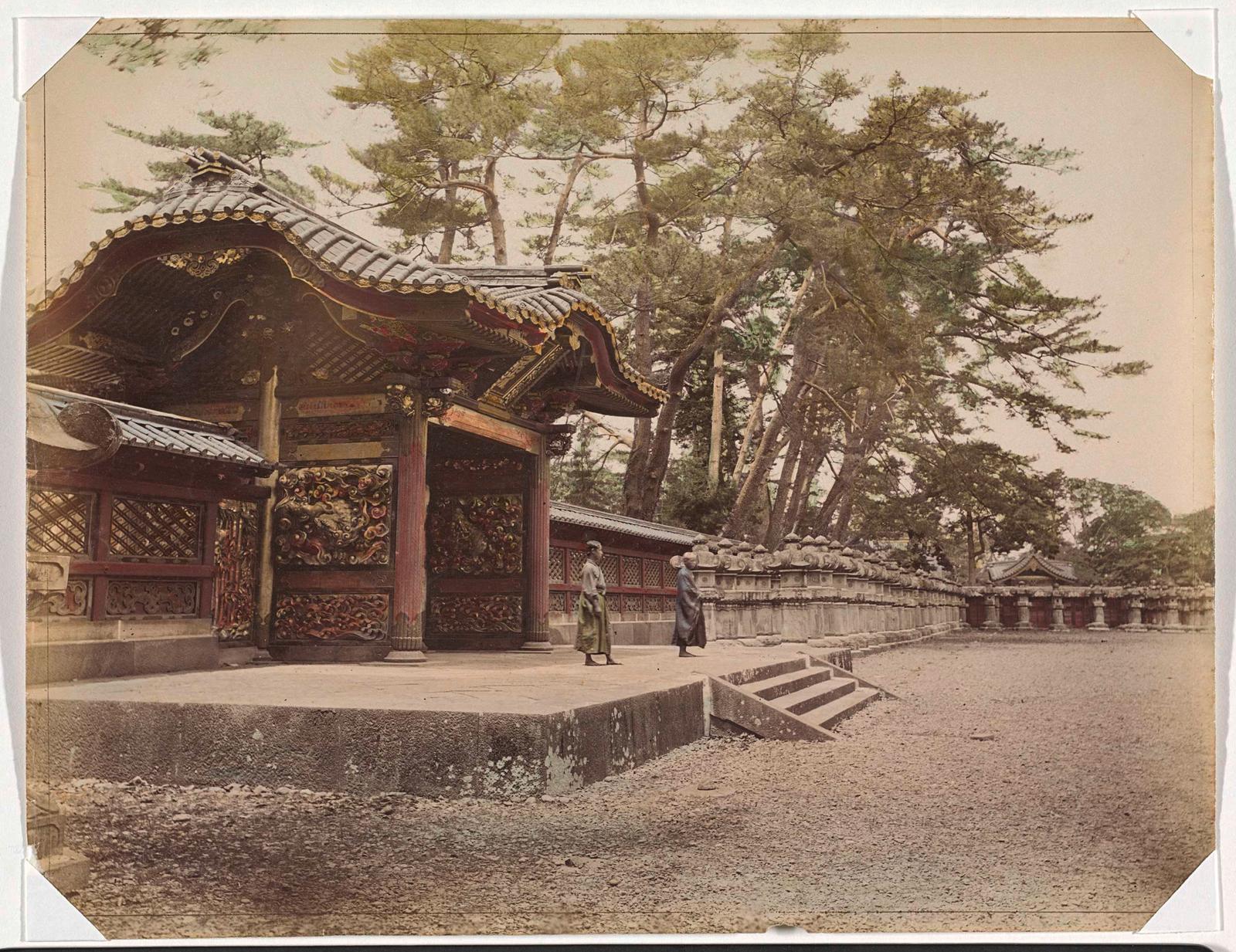
Tokyo’s humid transition into July brings a distinct shift in the city's social rhythm, moving away from standard tourist corridors toward more localized, hyper-specific cultural pockets. While major global events dominate the wires, residents are currently centering their attention on the seasonal transformation of the Sumida River district and the quiet, late-night openings of independent galleries in Yanaka.
This shift is more than just a seasonal preference; it marks a push toward what many local curators describe as 'intentional leisure.' With the city’s post-pandemic foot traffic metrics stabilizing, businesses in neighborhoods like Shimokitazawa have pivoted to exclusive, limited-entry ticketed events. These gatherings focus on small-scale auditory performances and local craft demonstrations that allow for deeper engagement than the mass-market offerings of Shinjuku or Shibuya.
The quiet revival of Tokyo's historic pockets
Visitors seeking a departure from the typical skyline tours should head toward the Nezu Museum’s latest exhibition space or the historic preservation districts of Taito-ku. The Nezu Museum is currently hosting a curated study of Edo-period textiles that runs through July 20, providing a stark contrast to the rapid modernization projects visible near the Shibuya Sky observation deck. In the alleys surrounding the Nezu Shrine, small-scale independent bookstores have started hosting 'midnight readings' every Friday, catering to the growing demographic of remote professionals seeking quiet socialization.
For those interested in the culinary arts, the wholesale districts near Toyosu Market have introduced a series of Saturday dawn tours. These tours, managed by the Tokyo Metropolitan Central Wholesale Market, offer a granular view of the logistics behind the city's supply chain. Participants pay a fee of 3,500 yen per person, a price established by the market board in their fiscal briefing released on June 15, 2026, to cover the logistical costs of guiding groups through the restricted floor spaces.
Optimizing the urban summer itinerary
Data from the Tokyo Tourism Bureau indicates that short-term rentals in residential wards like Setagaya have seen a 12 percent increase in occupancy for July compared to the same period in 2025. This trend suggests that travelers are increasingly prioritizing long-term neighborhood integration over central business district hotels. If you are planning an outing this weekend, the most efficient approach is to navigate via the Toei Oedo Line to access the outer residential rings before the mid-afternoon heat peaks.
Practical advice for the week ahead: check the official schedules for the upcoming neighborhood festivals in Ningyocho. Many of these events now utilize digital registration systems, as highlighted in the ward’s community newsletter published on July 1, 2026. Securing your spot early is no longer just a recommendation, but a necessity for access to the specialized workshops that define this mid-summer period. Expect the humidity to hover around 78 percent for the coming five days, so plan your transit through the underground walkways that connect major terminal stations like Tokyo Station and Hibiya.