culture
Tokyo's Micro-Cultures Transform Creative Identity Across Neighborhoods
From the quiet workshops of Kuramae to the digital galleries of Azabudai, Tokyo is shifting away from mass-consumerism toward hyper-specialized creative hubs.
How we reported this
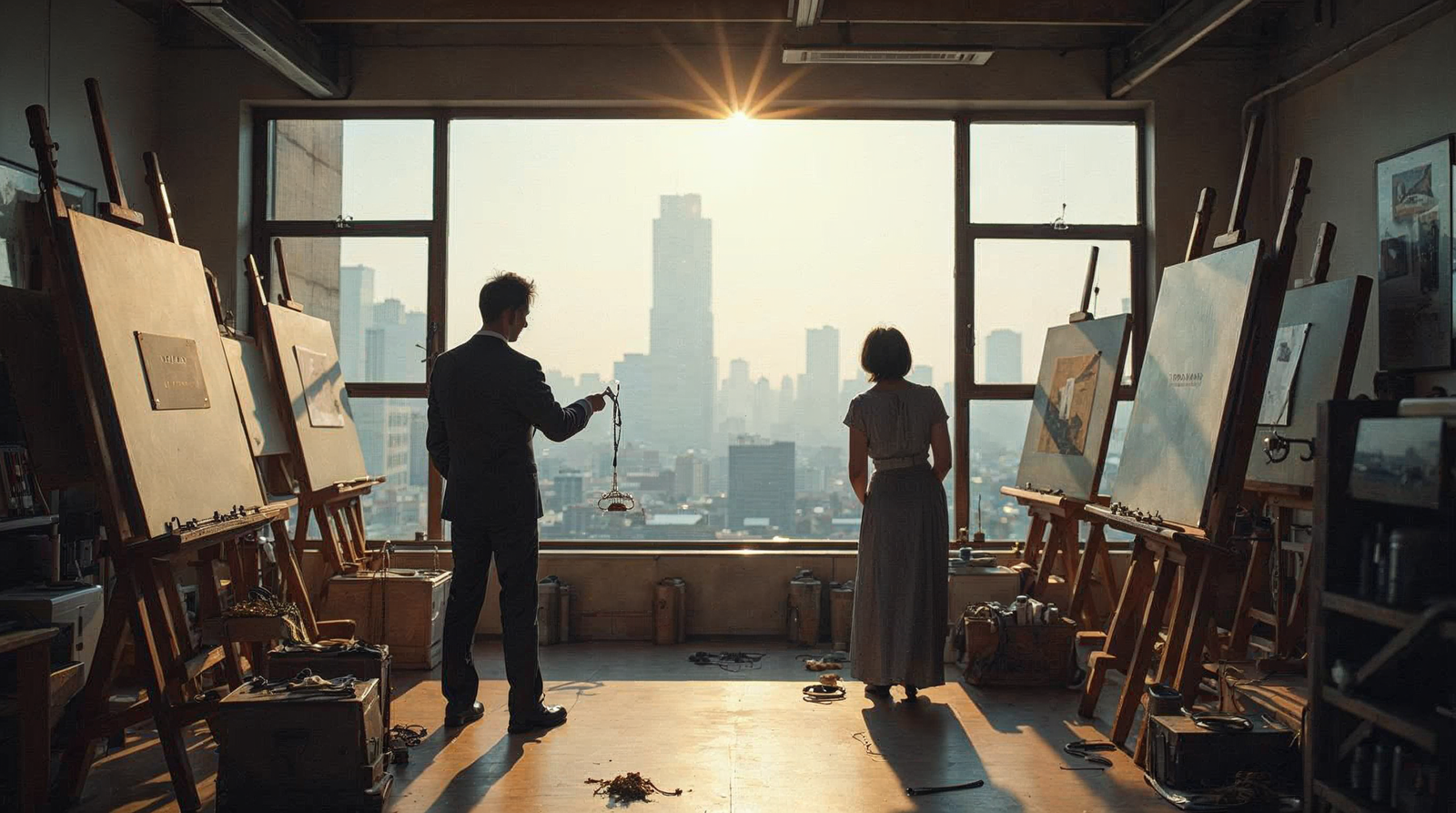
Tokyo’s creative identity is undergoing a quiet but profound restructuring, moving away from the sprawling department stores of Ginza toward a decentralized network of specialized artisan enclaves. This shift is most visible in neighbourhoods like Kuramae and Yanaka, where the preservation of historic streetscapes has become the foundation for a new wave of independent makers and niche designers. As global retail continues to homogenize, Tokyo is doubling down on hyper-local expertise, transforming old warehouses and traditional row houses into sites of collaborative production.
The Rebirth of Craft in Legacy Neighbourhoods
The transformation of Kuramae, once known as the 'Brooklyn of Tokyo' for its repurposed industrial spaces, illustrates how the city is reclaiming its manufacturing roots. Venues such as the Kakimori stationary shop and the various leatherworking studios that line the Sumida River reflect a broader trend: a move toward slow design. Unlike the rapid-fire retail cycles that dominated the early 2000s, these spaces prioritize the longevity of materials and the visibility of the manufacturing process. The cultural identity of these districts is no longer defined by what is on the shelves, but by the workshops occurring behind them.
Similarly, the integration of high-concept digital art with public space has re-anchored the city's identity in technology-driven creativity. Institutions like the TeamLab Borderless facility at Azabudai Hills have moved beyond simple exhibition, serving as a permanent anchor for the district's creative output. This blend of tangible craftsmanship in the east and immersive digital innovation in the west creates a dual-track cultural identity that separates Tokyo from other global centres which remain reliant on static heritage sites.
Data and the Shift in Consumer Engagement
Data from the Tokyo Metropolitan Government’s latest industry report indicates that the sector for small-scale creative enterprises-defined as businesses employing fewer than 20 people-has seen a steady rise in registration across the Taito and Sumida wards since the start of 2024. This growth is mirrored by a decline in foot traffic at large-scale legacy retail complexes, as consumers increasingly seek out 'experience-based' shopping. According to recent municipal tourism bulletins, visitors are now spending an average of 40% more time in independent maker districts than they did five years ago, indicating a pivot in how both residents and international visitors engage with the urban environment.
For those looking to explore this changing landscape, the practical approach is to bypass the main station thoroughfares. Spending an afternoon in the Yanaka Ginza area allows for a direct connection with local glass-blowers and woodworkers who have transitioned from traditional trade to contemporary aesthetics. As the city approaches the latter half of 2026, the emphasis remains on small-batch production and the preservation of the 'monozukuri'-the Japanese spirit of craftsmanship. Whether through browsing the independent presses in Jimbocho or attending a weekend workshop in the residential pockets of Setagaya, Tokyo is currently defined less by its major landmarks and more by the density of its hidden, creative corners.