culture
Tokyo Residents Rediscover Yanaka Ginza's Historic Charm This Summer
A resurgence in 'Shitamachi' tourism signals a shift in how Tokyo residents are engaging with the city's fading history this summer.
How we reported this
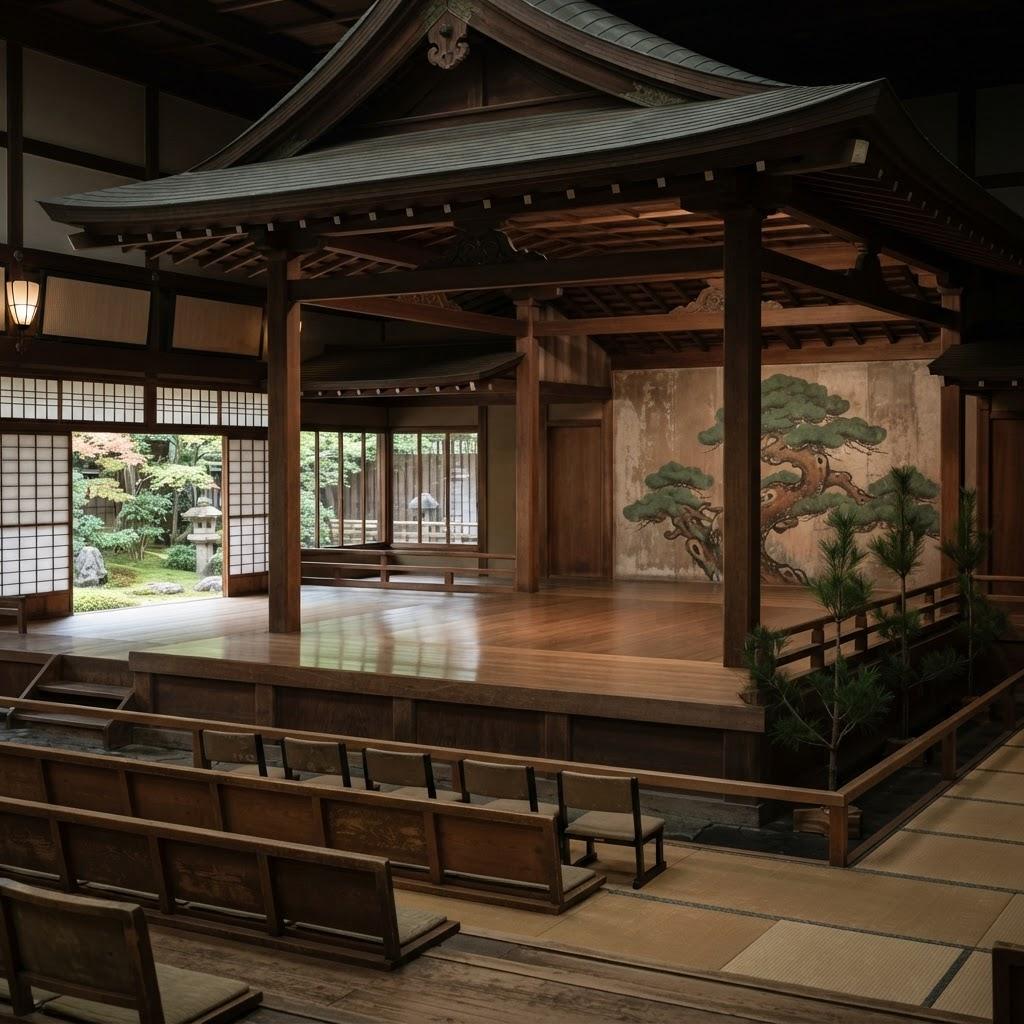
Tokyo’s domestic tourism scene is undergoing a noticeable pivot as residents move away from the high-density shopping districts of Shinjuku and Shibuya in favor of the historic Yanaka neighbourhood. This shift toward the so-called 'Shitamachi' or 'old downtown' atmosphere has turned the narrow lanes of Yanaka Ginza into a weekend focal point for residents seeking a reprieve from the metropolitan heat.
The Appeal of Retro Tokyo
Locals are increasingly flocking to areas that retain their pre-war architecture, driven by a renewed interest in the Showa-era aesthetic. At the heart of this activity is the Yanaka Cemetery and the nearby Nezu Shrine, both of which have seen elevated foot traffic throughout the current month. The draw lies in the preservation of small-scale artisan shops that contrast sharply with the commercial scale of the capital’s central business districts.
This trend toward slow-paced exploration reflects a broader fatigue with the hyper-modernity of Tokyo’s primary transport hubs. Community groups in Taito Ward have actively campaigned for the protection of traditional wooden structures, a sentiment that resonates as the city undergoes continuous vertical redevelopment. The focus has moved toward 'machiaruki'-or town walking-as a form of social engagement, where the objective is to interact with local stall owners rather than visit large-scale retail attractions.
Practical Shifts in Urban Leisure
For those looking to engage with this shift, the most practical approach involves accessing the area via Nippori Station. The walk from the station exit to the Yanaka Ginza shopping street remains the most popular route, offering a direct view of the Midorimichi path. According to public transportation records from the Tokyo Metropolitan Bureau of Transportation, foot traffic data for the Nippori-Toneri Liner has reflected an uptick in weekend usage throughout the early weeks of July 2026.
While prices for craft goods and street snacks in the area remain consistent with typical neighbourhood markets, the variety of specialized vendors has expanded. Visitors should note that many of the family-run workshops in the area follow strict operating hours, often closing by late afternoon to maintain the quiet residential character of the ward. As the city approaches the peak of the summer season, the preference for these sheltered, pedestrian-friendly routes serves as a functional alternative to the humidity-exposed environments of the city's larger plazas.