culture
Ueno Summer Festival fills Tokyo days with lotus views and an antique market
The 75th Ueno Summer Festival runs from July 10 to August 11, with daily antique stalls around Shinobazu Pond and performances at the waterfront music hall.
Listen in English · 4 min
How we reported this
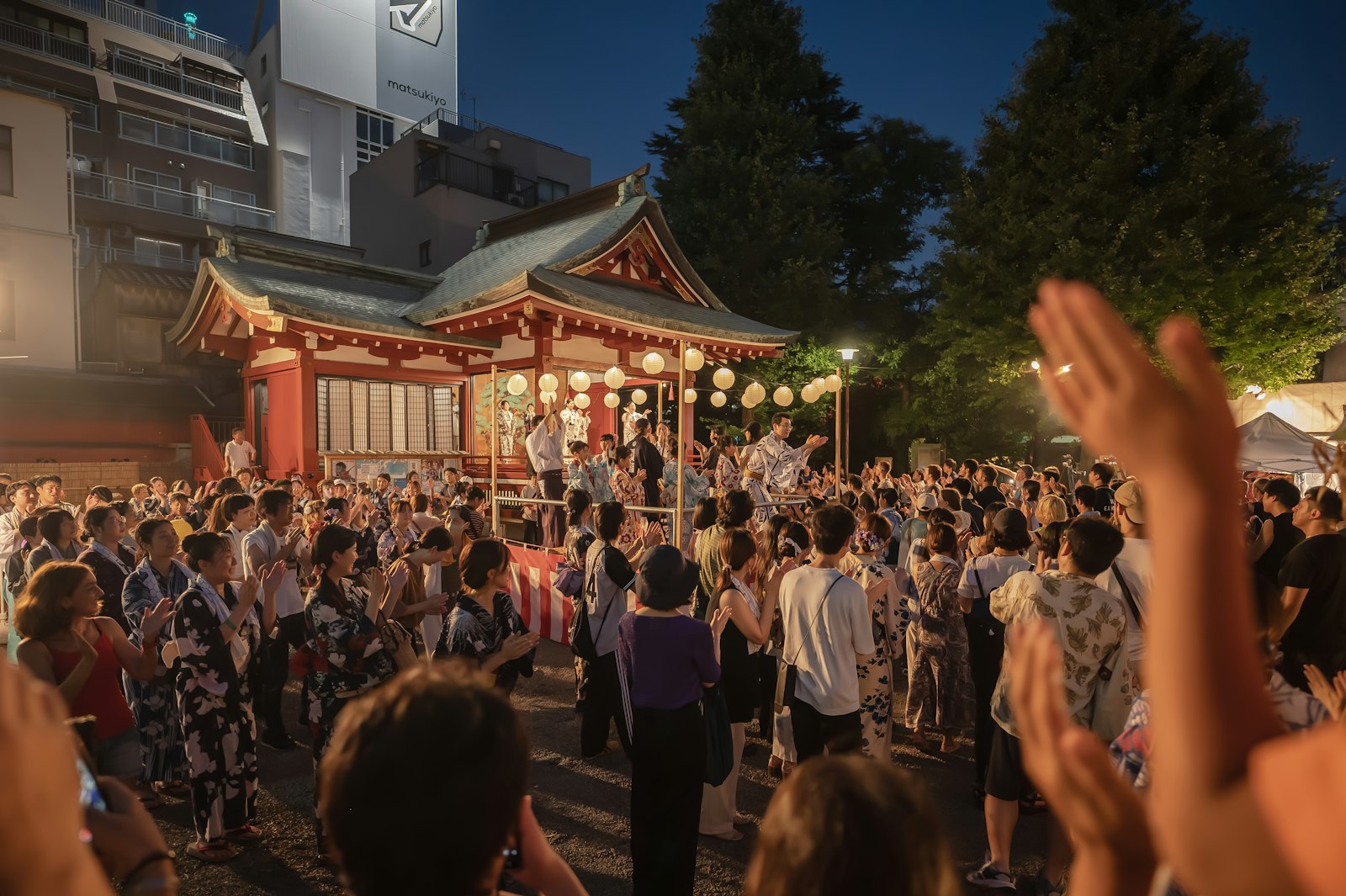
The 75th Ueno Summer Festival is running in Tokyo from July 10 through August 11, 2026. GO TOKYO places the festival around the Waterfront Music Hall at 2 Ueno-koen in Taito City, with the surrounding Shinobazu-no-ike Pond forming part of the setting.
The official listing says the waterfront music hall will host concerts, comedy performances and wrestling performances during the festival period. It also says an antique market will be arranged around Shinobazu-no-ike Pond every day. The combination gives the event a daytime browsing element as well as scheduled entertainment.
The pond is part of the festival's seasonal atmosphere. GO TOKYO notes that visitors can relax beside the water and view lotus flowers. That is a precise description of the setting rather than a promise about a particular bloom date, so readers should treat the flowers as part of the listed seasonal experience and allow for natural variation.
The event page also mentions monkey shows every day, with cancellation in case of rain, and a festival programme every day. Because the listing does not provide a single universal start and finish time, it directs readers to the official website for the latest schedule information.
Ueno Station is listed as about five minutes away on foot. The station serves JR lines, the Keisei Line, and the Tokyo Metro Ginza and Hibiya lines. For a Tokyo outing, that makes rail the clearest access plan and avoids adding assumptions about parking or road conditions that are not part of the official information.
The festival can be approached as a culture-focused Ueno walk: begin near the station, browse the antique market around the pond, check the day's official programme, and use the waterfront setting as a place to pause. The source does not require visitors to follow a fixed route, so the itinerary can remain flexible.
For readers planning a Tokyo outing, the practical value of the official listing is that it brings the location, timing and access information together without requiring a guess about what is happening on the day. Conditions can change, so the listing's own update notice remains the right place to check before leaving.
The setting also makes the activity easy to pair with a wider Tokyo walk. Visitors can use the named station area as a starting point, follow the event or garden information in the source, and leave room for ordinary neighbourhood exploration rather than trying to compress every stop into a fixed itinerary.
This is a Tokyo story about using a specific local source carefully. The details here are limited to what the official guide states: the named place, the published dates or seasonal context, the listed programme and the access notes. No extra attendance figures, rankings or unverified claims are needed to explain why the plan is useful.
Tokyo's summer calendar can be busy, but a grounded plan begins with one confirmed destination. Checking the official page again before travelling is especially sensible for outdoor activities, where weather, crowd management or venue instructions may affect the experience.
For a city reader, the appeal is straightforward: start with the verified details, allow time for the surrounding Tokyo area, and treat the official page as the live reference for any final changes.