culture
Tokyo's July Events: Tanabata Celebrations and Traditional Lantern Fairs
GO TOKYO's July guide points to Tanabata celebrations, the Shitamachi Tanabata Matsuri and Asakusa's hozuki fair as seasonal traditions around the city.
How we reported this
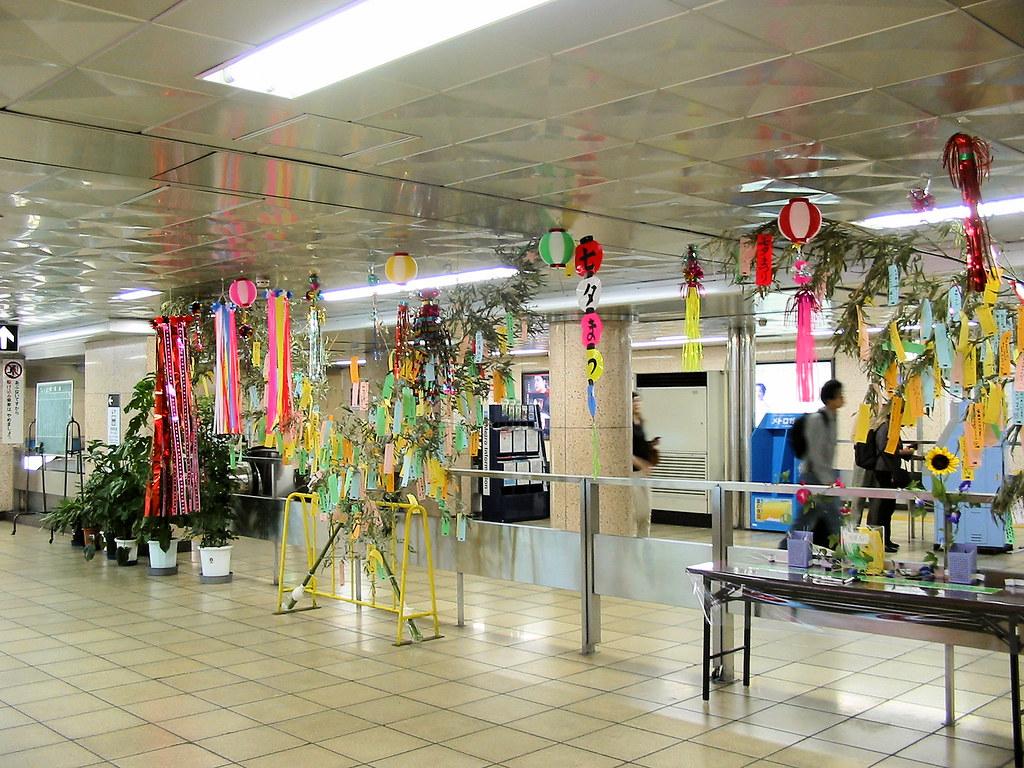
Tokyo's July calendar includes several traditions associated with Tanabata and the start of summer. In its official July guide, GO TOKYO describes July 7 as the day when people write wishes on strips of paper, tie them to bamboo and pray to the stars. The guide also points readers toward Tanabata-related events in different Tokyo areas.
The Shitamachi Tanabata Matsuri is presented as one way to see decorations in the city's older downtown districts. The guide suggests wandering among the Tanabata displays, making the decorations themselves part of the experience rather than treating the celebration as a single ticketed venue.
Another option named by the guide is Tanabata Kigansai at Tokyo Daijingu Shrine. GO TOKYO says visitors can write wishes on strips of paper, dedicate them at the shrine and offer prayers for their hopes.
The same July guide also highlights the Japanese lantern plant fair at Sensoji in Asakusa. It explains that prayers offered at the temple on July 9 or July 10 are traditionally associated with blessings, and that the Hozuki-ichi is held during this period. The tradition is reported here as the guide describes it.
For Tokyo readers, these events suggest a culture-led route through different parts of the city: Tanabata decorations in the shitamachi area, a shrine visit at Tokyo Daijingu, or the lantern plant fair near Sensoji. The official guide is the source for the seasonal timing and should remain the reference for any current programme details.
The July guide also places these traditions within a wider calendar of summer festivals and fireworks. That context helps explain why July in Tokyo can be planned around local customs as much as around sightseeing.
For readers planning a Tokyo outing, the practical value of the official listing is that it brings the location, timing and access information together without requiring a guess about what is happening on the day. Conditions can change, so the listing's own update notice remains the right place to check before leaving.
The setting also makes the activity easy to pair with a wider Tokyo walk. Visitors can use the named station area as a starting point, follow the event or garden information in the source, and leave room for ordinary neighbourhood exploration rather than trying to compress every stop into a fixed itinerary.
This is a Tokyo story about using a specific local source carefully. The details here are limited to what the official guide states: the named place, the published dates or seasonal context, the listed programme and the access notes.
Tokyo's summer calendar can be busy, but a grounded plan begins with one confirmed destination. Checking the official page again before travelling is especially sensible for outdoor activities, where weather, crowd management or venue instructions may affect the experience.
For a city reader, the appeal is straightforward: start with the verified details, allow time for the surrounding Tokyo area, and treat the official page as the live reference for any final changes.