community
Expat Guide Tokyo: Essential Local Living Tips
Complete expat guide tokyo with neighborhoods, schools, healthcare, banking, dining venues, seasonal events, and family-friendly attractions. Your essential relocation handbook.
How we reported this
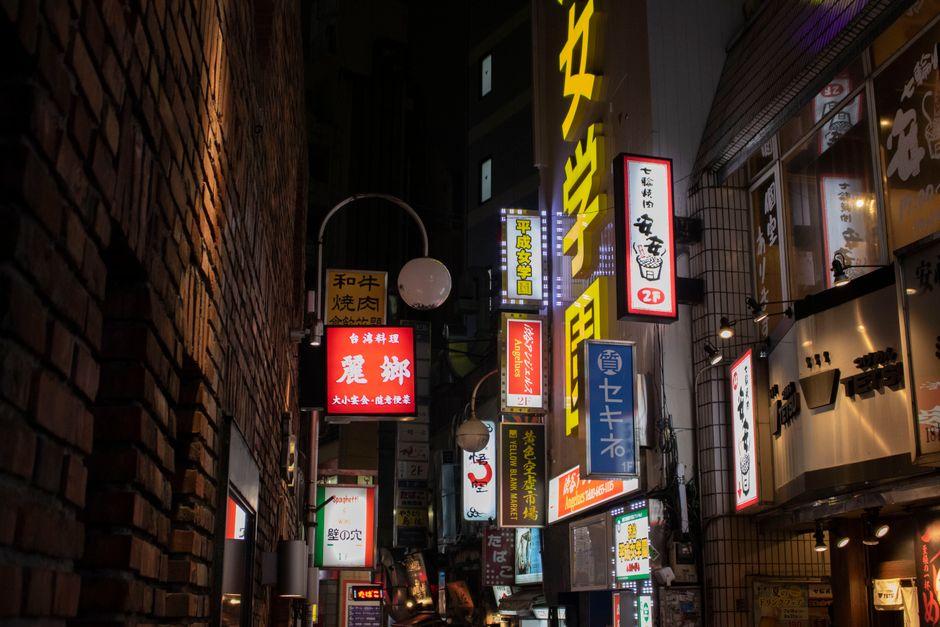
Expat Guide Tokyo: Living Like a Local in Japan's Capital
Moving to Tokyo as an expat requires understanding neighborhoods, services, and cultural nuances. This expat guide tokyo provides insider knowledge about settling into Japan's dynamic capital, from finding accommodation to navigating daily life with practical resources and venue recommendations.
Best Neighborhoods for Expats in Tokyo
Choosing the right neighborhood defines your Tokyo experience. Minato Ward attracts corporate expats with proximity to Roppongi's international community and English-speaking services. Apartments here range from ¥180,000-¥350,000 monthly for two-bedroom units.
Shibuya appeals to younger expats seeking vibrant nightlife, trendy cafes, and shopping. The area has excellent train connectivity and numerous international restaurants along Meiji-dori and Center Gai.
Setagaya Ward offers family-friendly suburban living with parks, international schools, and quieter residential streets while maintaining easy access to central Tokyo via the Odakyu Line.
Shinjuku provides affordability compared to other central areas, with diverse accommodation options and one of Tokyo's busiest train hubs serving 3.6 million daily passengers.
Essential Services and Banking
Opening a Japanese bank account requires an My Number card (residence card number) and valid ID. Major banks serving expats include MUFG, Mizuho, and Sumitomo Mitsui. Processing takes 1-2 weeks. Wise and Remitly offer competitive international transfers if maintaining home accounts.
Health insurance is mandatory. The National Health Insurance (Kokumin Kenko Hoken) costs approximately ¥15,000-¥30,000 monthly depending on income. Register at your local municipal office within 14 days of arrival. Most large hospitals like Roppongi Hills Clinic provide English-speaking doctors.
For mobile phones, Docomo, Softbank, and au offer English support. Pocket WiFi rental costs ¥1,500-¥3,000 daily if you prefer flexibility over long-term contracts.
Family-Friendly Attractions and Activities
Tokyo offers exceptional family experiences year-round. Ueno Zoo houses giant pandas and 3,000+ animals across 14 hectares. Annual membership costs ¥4,400 and provides unlimited entry.
Tokyo Disneyland and DisneySea in Chiba attract millions annually. Single-day tickets cost ¥10,900-¥15,500. June experiences lower crowds during rainy season-ideal for shorter queues.
Sanrio Puroland in Tama offers indoor Hello Kitty-themed attractions perfect for younger children. Day passes cost ¥4,200 with air-conditioned comfort during hot months.
Odaiba combines shopping, museums, and beaches. The National Museum of Emerging Science and Innovation provides interactive exhibits for children. Entrance costs ¥630 for adults, ¥210 for children.
Yoyogi Park spans 54 hectares with playgrounds, cycling paths, and open spaces. Entry is free. Summer hosts open-air concerts and festivals.
Schools and Education for Expat Families
International schools include The American School in Japan (ASIJ) in Chofu, charging ¥6-¥8 million annually, and British School in Tokyo (BST) in Shinjuku, with comparable fees. Both maintain waiting lists during peak seasons.
Japanese public schools welcome expat children with support programs. Tuition is free, though private cram schools (juku) cost ¥10,000-¥30,000 monthly. Registration occurs through municipal offices.
Seasonal Events and Activities
June 2026 features Tokyo's rainy season (tsuyu). Pack compact umbrellas-vending machines sell ¥100 versions everywhere. Summer fireworks festivals (hanabi taikai) begin late July through August at venues like Sumida River Fireworks Festival, attracting 1 million spectators.
Spring (March-April) celebrates cherry blossoms. Shinjuku Gyoen displays 1,500 cherry trees across 58 hectares. Entry costs ¥500. Ueno Park's evening illuminations attract crowds until midnight.
Winter (December-February) brings illuminations at Roppongi Hills and Marunouchi. New Year celebrations (Shogatsu) involve temple visits and traditional foods at Tsukiji Outer Market and Toyosu Market.
Dining and Food Culture
Michelin-starred restaurants cluster in Ginza, with some omakase experiences costing ¥15,000-¥30,000 per person. For casual dining, ramen shops (¥800-¥1,200) line every neighborhood, with Ichiran and Ippudo offering consistency.
Convenience stores (7-Eleven, Lawson, FamilyMart) provide quality prepared food for under ¥500. Supermarkets reduce prices 30-50% after 8 PM, targeting budget-conscious expats.
English menus remain limited outside central areas. Download Google Translate's camera feature for menu navigation.
Transportation and Getting Around
The Suica card (¥2,000 with ¥1,500 usable balance) works across all Tokyo transport. Monthly passes cost ¥1,000-¥3,000 depending on zones traveled. Train punctuality averages 99.9%, with average delays under one minute.
Cycling culture thrives with affordable bike rentals (¥200-¥500 daily). Helmet usage isn't legally required but recommended. Parking violation fines reach ¥15,000.
For expats wanting deeper insights into Tokyo living, community resources like The Daily Tokyo provide updated relocation advice, event listings, and neighborhood guides tailored to international residents.