Politics
Tokyo Universities Brace for Enrollment Shift as Diet Debates Scholarship Overhaul
The Ministry of Education's decision to reassess international student programs has Tokyo universities scrambling to adapt, with enrollment targets now in flux.
How we reported this
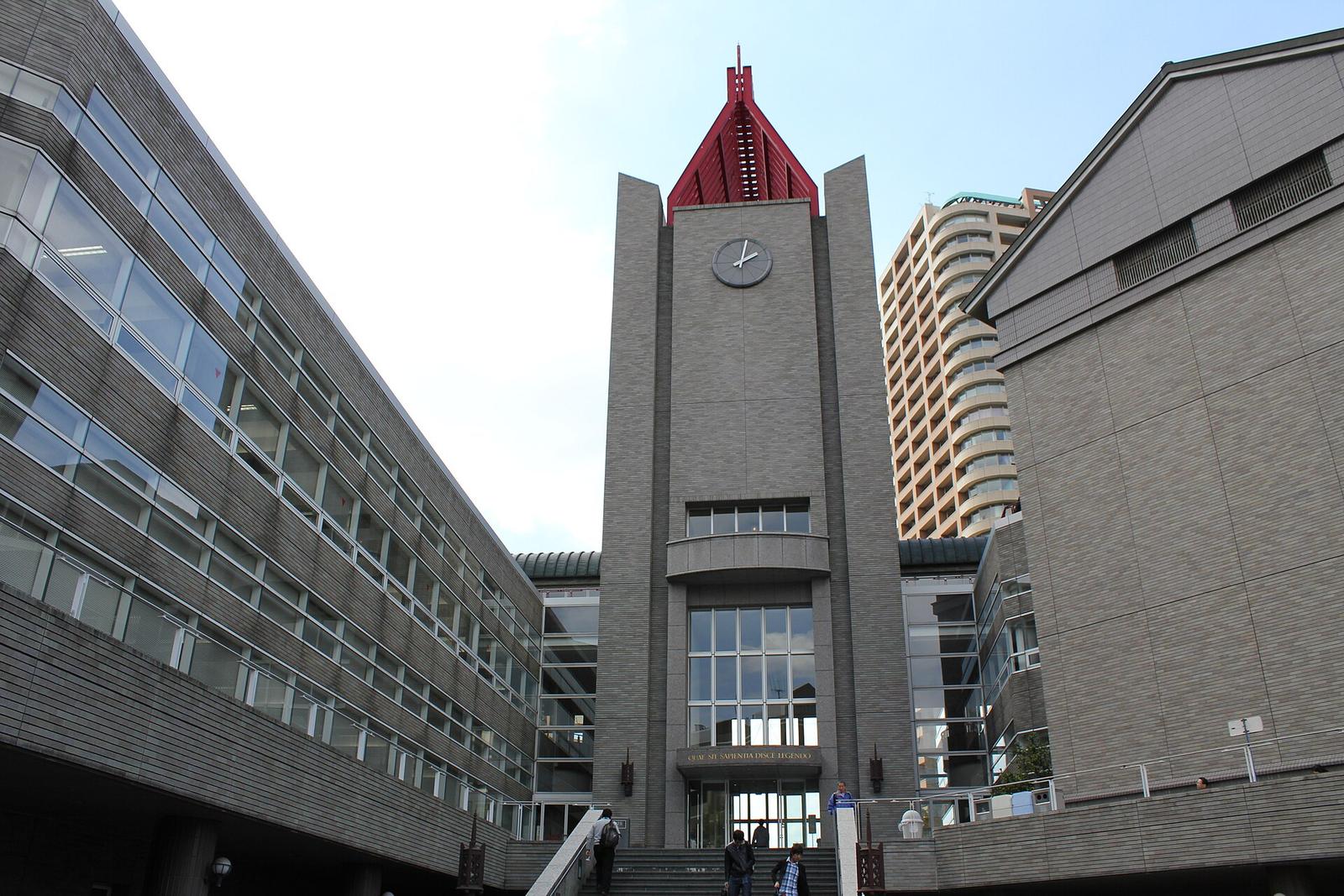
The Ministry of Education, Culture, Sports, Science and Technology announced this week it will conduct a comprehensive review of Japan's overseas scholarship initiatives, signaling a potential pivot away from the expansive international education programs that have defined federal policy for nearly two decades.
The move comes as other nations-including the United Kingdom-have begun dismantling similar programs. The timing has caught Tokyo's academic institutions off guard. Universities like Waseda and Sophia have built entire departments around federal scholarship distributions, expecting steady government backing for overseas recruitment and student exchange initiatives. The uncertainty about future funding threatens partnerships that have sent thousands of Japanese students abroad annually and brought international students to Tokyo campuses.
The Ministry's statement, released June 30 through its official website, cited budget constraints and shifting priorities toward domestic workforce development. Officials indicated they would evaluate the return on investment for programs that have disbursed roughly ¥87 billion annually across various scholarship categories. The review is expected to conclude by March 2027.
Tokyo Universities Face Enrollment Uncertainty
Administrators at institutions across Tokyo's academic corridor are now reassessing their international recruitment strategies. Waseda University's Center for Japanese Language in Shinjuku-ku, which has historically served as a gateway program for international students bound for degree programs, reported that inquiries from potential applicants dropped 23 percent in the week following the announcement. Officials there confirmed they are preparing contingency budgets to absorb funding gaps if federal scholarships contract.
Sophia University in Chiyoda-ku, which derives approximately 18 percent of its student body from international cohorts, held an emergency board meeting June 28 to discuss the implications. The institution's partnership with the Japan Student Services Organization, a quasi-governmental body that administers federal scholarships, means any policy shift will directly affect enrollment targets through 2027.
Numbers Tell the Story of a Possible Retrenchment
Federal scholarship distributions have sustained robust international student numbers in Tokyo. According to the latest Ministry data released in April, approximately 11,240 international students enrolled at Tokyo-based universities received some form of federal scholarship support-roughly 34 percent of the city's total international student population. The average monthly stipend hovers around ¥148,000, designed to cover housing and living expenses in a city where rent for a modest one-bedroom apartment in outer wards like Adachi or Edogawa ranges from ¥60,000 to ¥90,000.
The Diet's Budget Committee will debate allocation formulas in August. Policy wonks in the Kasumigaseki government district anticipate that the Ministry will propose a tiered system, prioritizing scholarships for students from Southeast Asia and South Asia while reducing support for Western nations with robust domestic funding mechanisms. Such a restructuring would reshape the demographic composition of Tokyo's international student body, which currently includes roughly equal proportions from Asia, Europe, and North America.
What happens next depends partly on parliament's appetite for maintaining Japan's soft power investments abroad. The Ministry's preliminary budget request, due to the Finance Ministry by September, will signal whether officials view this as a temporary adjustment or a fundamental reorientation. Universities across Tokyo have until then to prepare for the possibility that federal scholarships shrink significantly. Some are already exploring private fundraising channels and corporate partnerships to backfill potential losses.