The faces that build Tokyo: Inside the neighbourhoods where community still thrives
From Yanaka's artisans to Shimokitazawa's performers, meet the people keeping Tokyo's soul alive.
From Yanaka's artisans to Shimokitazawa's performers, meet the people keeping Tokyo's soul alive.
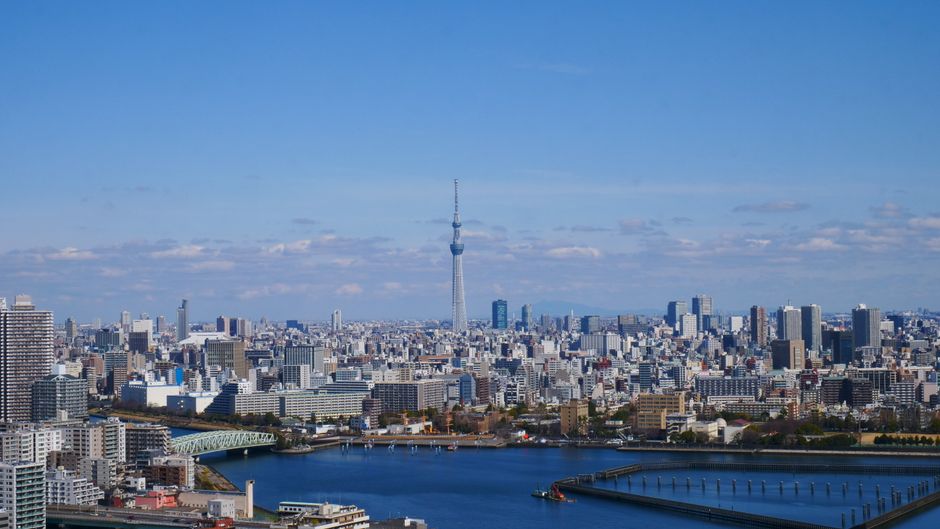
Tokyo's 37.4 million residents rarely acknowledge each other on the Yamanote Line, yet step into the right neighbourhood and you'll discover that community—genuine, purposeful community—still pulses through this megacity's veins.
In Yanaka, the historical ward that survived wartime bombing, independent shop owners have become custodians of an older Tokyo. The narrow streets around Yanaka Ginza shopping street host everything from a third-generation soy sauce maker to boutique pottery studios. These aren't museum pieces; they're living businesses where regulars know owners by name, where apprenticeships span decades, and where rents—typically ¥800,000–1.2 million annually for small retail spaces—remain affordable enough to sustain tradition.
Walk fifteen minutes east into Nezu, and the pattern repeats. Here, the neighbourhood association (chonaikai) still functions as genuine social infrastructure. These volunteer-run organisations coordinate summer matsuri festivals, maintain shared gardens, and organise disaster preparedness drills. According to Tokyo Metropolitan Government data, participation in chonaikai has declined citywide, yet in neighbourhoods like Nezu and nearby Sendagi, engagement remains above 40 percent—unusually high for contemporary Tokyo.
Shimokitazawa tells a different story. Once earmarked for wholesale redevelopment in the 2010s, local activists successfully fought to preserve the neighbourhood's character. Today it hosts over 60 small theatres, independent music venues, and artist collectives. The average age skews younger—many residents in their 20s and 30s chose to move here specifically for the creative ecosystem. A studio apartment runs ¥70,000–90,000 monthly, attracting musicians, performers, and designers.
What unites these neighbourhoods isn't wealth or size. It's deliberate choice. Tokyo's more transient residents gravitate toward convenience and proximity to work. But in pockets like these, people have decided to stay, to invest in relationships, to learn the names of shopkeepers and participate in seasonal festivals.
The pandemic accelerated this trend. As remote work became viable, some Tokyo residents reconsidered their relationship with the city. Neighbourhoods with strong community infrastructure saw increased interest from people seeking belonging alongside urban amenities. Property agents report sustained demand in traditionally tight-knit areas.
In a city often characterised by anonymity and efficiency, these neighbourhoods remind us that Tokyo's greatest resource isn't its trains or restaurants—it's the people who've chosen to build lives here, to know their neighbours, to keep small traditions alive. That's the Tokyo worth discovering.
This article was compiled by AI from the sources linked above and screened before publishing. See our editorial standards.
How does this story make you feel?
Spread the word
About this article
Published by The Daily Tokyo
Daily brief
Free, in your inbox before 7am. Weekdays.
More in lifestyle