Tokyo's Parks Are (Mostly) Free—Here's What You Actually Need to Know Before You Go
From Shinjuku Gyoen's entrance fees to Ueno's summer crowds, a practical guide to accessing Tokyo's green spaces without breaking the bank.
From Shinjuku Gyoen's entrance fees to Ueno's summer crowds, a practical guide to accessing Tokyo's green spaces without breaking the bank.
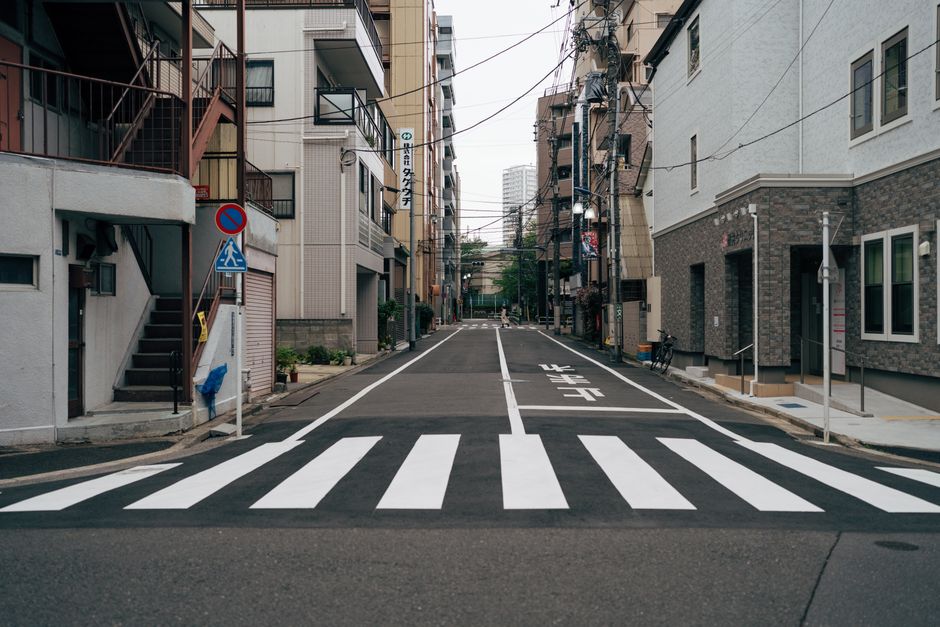
Tokyo's park system is one of the city's greatest paradoxes: abundant yet perpetually crowded, accessible yet surprisingly regulated. Whether you're planning a weekend escape or a weekday respite, understanding the real costs and unwritten rules can transform your outdoor experience from frustrating to genuinely restorative.
The good news: most of Tokyo's 8,000-plus parks are completely free. Yoyogi Park in Shibuya, arguably the city's most beloved green space, costs nothing to enter. Same with Rikugien in Bunkyo Ward and the sprawling grounds around Tokyo Metropolitan Government Building in Shinjuku. These neighbourhood parks remain Tokyo's best-kept secret for budget-conscious visitors.
But several major destinations charge admission. Shinjuku Gyoen, managed by the Ministry of the Environment, costs ¥500 (around $3.50 USD) for adults, ¥250 for seniors, and is closed Mondays. Rikugien's sister garden, Korakuen in Bunkyo, runs ¥300. The Imperial Palace East Gardens are free but require advance registration through the Imperial Household Agency. Many visitors skip this step and miss out entirely.
Timing matters enormously. Cherry blossom season (late March to early April) transforms parks into chaotic festivals where you'll wait 30 minutes just to find a bench. Summer brings cicadas and stifling humidity; autumn offers crisp air and manageable crowds. Early mornings—before 8 a.m.—offer near-solitude at popular spots like Ueno Park, home to museums, temples, and Tokyo's largest concentration of food vendors.
Practical considerations: most parks have limited facilities. Bring water during summer months; convenience stores dot major neighbourhoods but aren't always park-adjacent. Many parks prohibit alcohol (though enforcement varies), but designated eating areas are generally welcoming. Mosquitoes can be relentless near water features from June onwards; insect repellent is essential.
Public transportation access varies. Yoyogi is a five-minute walk from Harajuku Station; Rikugien requires a 7-minute walk from Komagome Station on the Namboku Line. Plan your route beforehand using Google Maps—Tokyo's park infrastructure, while extensive, isn't always intuitively connected.
For serious green space enthusiasts, the Tokyo Metropolitan Park Association website lists all 87 metropolitan parks with updated facility information and seasonal closures. Many neighbourhood parks offer free tai chi or yoga sessions during summer months, posted on community notice boards in Japanese and English.
The real cost of Tokyo's parks isn't monetary—it's time. Plan accordingly, arrive early, and you'll discover why millions of residents consider these spaces non-negotiable.
This article was compiled by AI from the sources linked above and screened before publishing. See our editorial standards.
How does this story make you feel?
Spread the word
About this article
Published by The Daily Tokyo
Daily brief
Free, in your inbox before 7am. Weekdays.
More in lifestyle


