Why Tokyo Stands Apart: What Makes Japan's Capital Unlike Any Other Global City
From hyperefficient transport to obsessive customer service, Tokyo offers expats a relocation experience that defies comparison.
From hyperefficient transport to obsessive customer service, Tokyo offers expats a relocation experience that defies comparison.
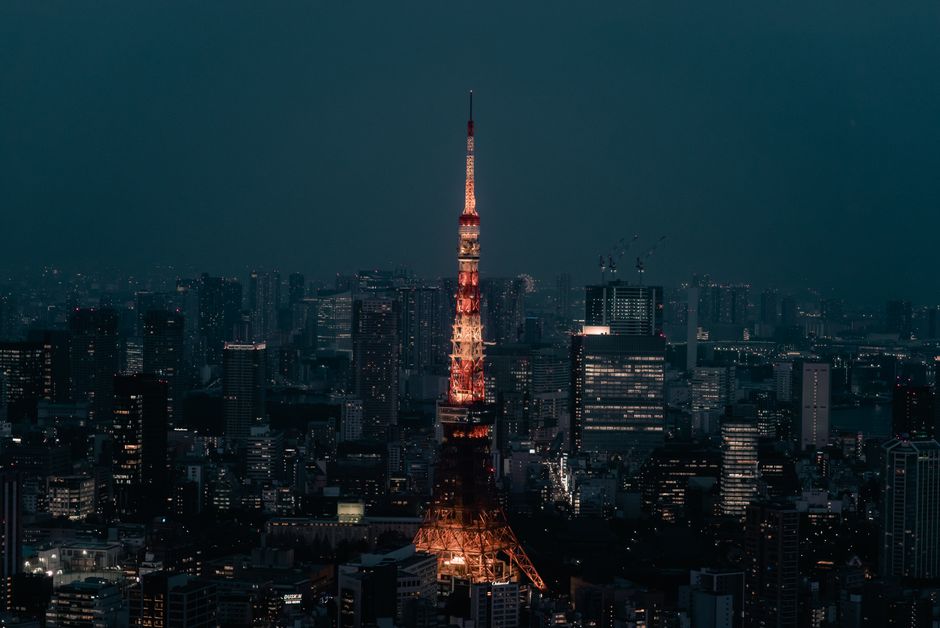
Moving to a new city is daunting. Moving to Tokyo is transformative—and distinctly different from relocating to London, Singapore, or New York. After decades of hosting international professionals, Tokyo has perfected an approach to urban life that remains stubbornly unique, even as global cities converge.
Start with mobility. The Tokyo Metro operates 13 lines across the metropolitan area with a punctuality rate exceeding 99.9%. Compare this to London's Underground or New York's subway, both plagued by delays. A monthly commuter pass costs around ¥1,000 ($7 USD), covering unlimited journeys. Expats arriving in Minato or Shibuya wards quickly realize they need never own a car. The efficiency isn't accidental—it's cultural bedrock.
Then there's the service paradigm. Convenience stores like 7-Eleven and FamilyMart function as de facto neighborhood offices. Need to pay bills, collect parcels, or grab fresh meals at 2 a.m.? They're everywhere, staffed by attentive employees who apologize for minor inconveniences. This 24/7 accessibility—paired with staff training that would astound Western retailers—creates a safety net expats from other cities describe as almost jarring.
Housing presents another distinctive challenge. Tokyo's rental market is transparent but steep. A one-bedroom apartment in central wards like Chiyoda or Shibuya averages ¥120,000–150,000 monthly ($800–1,000). However, real estate agents rarely demand deposits, and most landlords accept foreign tenants—a contrast to Paris or Berlin, where discrimination remains common. The National Tax Agency's expat information portal, updated regularly, helps newcomers navigate taxation without hiring accountants.
Work culture sets Tokyo apart too. While remote work has gained traction post-pandemic, corporate hierarchy and consensus-building remain ingrained. International companies clustered around Roppongi and the Marunouchi corridor cater to expats, but understanding unspoken workplace norms—like avoiding conflict in meetings—proves essential. Professional associations like the American Chamber of Commerce in Japan offer orientation programs specifically designed for this cultural translation.
Finally, Tokyo's obsession with seasonal detail and aesthetic precision permeates daily life in ways other cities don't match. Subway stations feature seasonal decorations. Restaurants change menus with the weather. Public spaces are immaculate. This isn't quaint—it's systemic, reflecting a social contract around collective responsibility that rewards attention and punishes carelessness.
For expats coming from chaotic, car-dependent, or service-light cities, Tokyo's organized intensity feels almost utopian. For those from comparable hubs, it's refreshingly intense. Either way, the city's unique blend of efficiency, respect, and aesthetic consideration creates an experience no other global city quite replicates.
This article was compiled by AI from the sources linked above and screened before publishing. See our editorial standards.
How does this story make you feel?
Spread the word
About this article
Published by The Daily Tokyo
Daily brief
Free, in your inbox before 7am. Weekdays.
More in lifestyle