Why Tokyo's Transport System Leaves the Rest of the World Behind
From the Yamanote Line to hyperlocal micro-mobility, Tokyo has cracked the code on moving millions without the chaos.
From the Yamanote Line to hyperlocal micro-mobility, Tokyo has cracked the code on moving millions without the chaos.
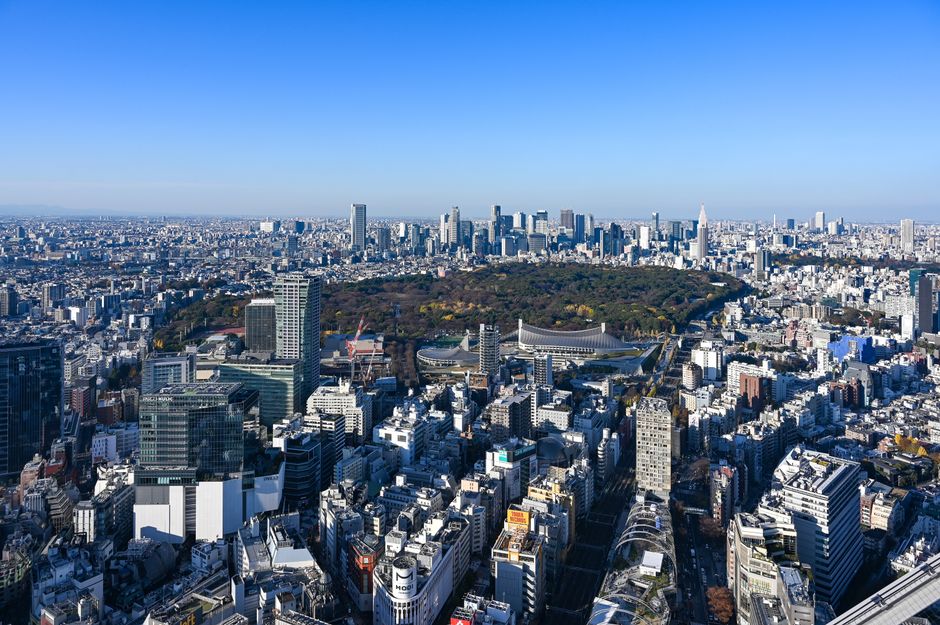
Stand on any platform at Shinjuku Station during rush hour and you'll witness organised chaos that defies logic. Some 3.7 million passengers move through Tokyo's rail network daily, yet the system functions with a precision that would make a Swiss watchmaker jealous. This isn't accident—it's the accumulated genius of decades spent perfecting urban mobility in ways that London, New York, and Singapore are still studying.
The numbers tell the story. Tokyo's train system operates with an average delay of just 18 seconds, according to Metro operators. Compare that to New York's MTA, where delays regularly stretch into hours, or London's Underground, which sees chronic congestion during peak times. The Yamanote Line, that iconic 34.5-kilometre loop connecting central Tokyo, moves around 4 million people weekly with trains arriving every 2-4 minutes. It's the world's busiest railway line, yet passengers move with remarkable fluidity.
But what truly distinguishes Tokyo isn't just punctuality—it's a layered, interconnected philosophy toward movement. The city doesn't rely on a single transport solution. The JR network, Tokyo Metro's 13 lines, private railways operated by companies like Tokyu and Odakyu, and buses create overlapping networks that offer genuine choice. A commuter heading from Ikebukuro to Roppongi has multiple viable routes, each with different trade-offs between speed, cost, and comfort.
Pricing reflects this sophistication. The IC card system—whether Suica or Pasmo—allows seamless payment across networks, and fares scale intelligently with distance. A typical commute costs ¥200-300 ($1.35-2.00 USD), making daily travel genuinely affordable for millions of workers.
Beyond trains, Tokyo's approach to last-mile connectivity is instructive. Convenience stores cluster near stations, bicycle parking is abundant and regulated, and shared micro-mobility services fill gaps where trains don't reach. Even taxis, traditionally expensive in Tokyo, now compete with app-based services, forcing service improvements across the sector.
The infrastructure is only part of the story. Tokyo's transport culture—where queue jumping on trains is virtually unheard of, where commuters maintain space despite crushing crowds, where service announcements are made in multiple languages—reflects deeper civic discipline. It's a social contract as much as a technical achievement.
As cities worldwide grapple with congestion and pollution, Tokyo offers proof that moving millions efficiently isn't about building more roads. It's about building better systems, respecting users' time, and understanding that transport isn't infrastructure—it's the nervous system of urban life.
This article was compiled by AI from the sources linked above and screened before publishing. See our editorial standards.
How does this story make you feel?
Spread the word
About this article
Published by The Daily Tokyo
Daily brief
Free, in your inbox before 7am. Weekdays.
More in lifestyle