Moving to Tokyo? Here's what long-term residents actually wish they'd known
Forget the guidebooks—we asked expats living in Tokyo's toughest neighbourhoods for their hard-won survival tips.
Forget the guidebooks—we asked expats living in Tokyo's toughest neighbourhoods for their hard-won survival tips.
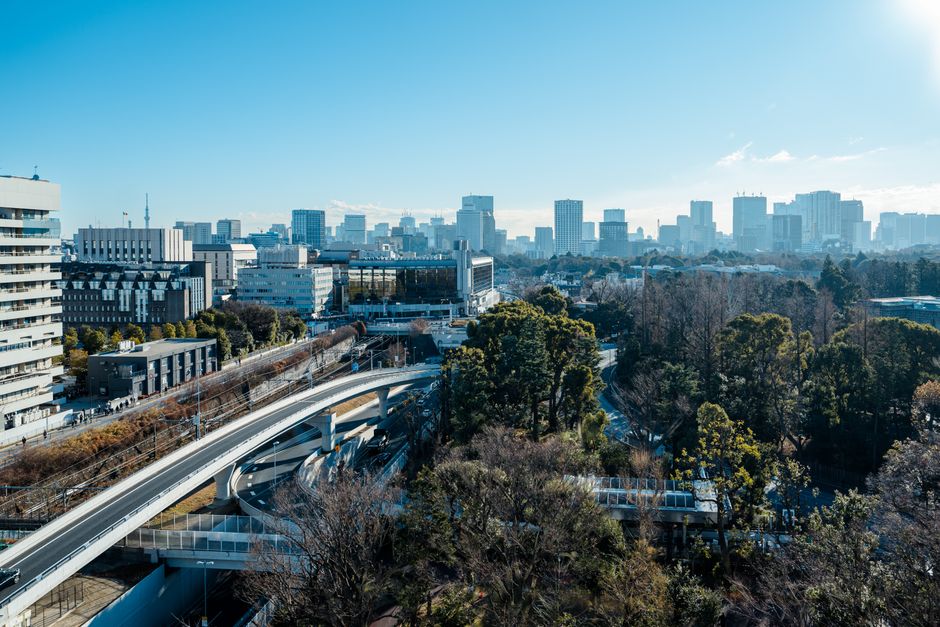
Tokyo's expat community has exploded in recent years, with foreign residents now exceeding 500,000. Yet arriving in Japan's capital remains disorienting for newcomers. We spoke with long-term residents across the city's most challenging districts to extract practical wisdom nobody tells you before you land.
First, location matters more than rent price. Shinjuku and Shibuya may look appealing on Instagram, but residents consistently highlight Nakano, Kichijoji, and Shimokitazawa as offering better value and genuine livability. A one-bedroom apartment in Nakano averages ¥80,000–¥95,000 monthly; the same space in Shibuya runs ¥130,000 or more. Real estate websites like Suumo and Homes.co.jp are essential, though hiring a local estate agent (often free) saves enormous headaches with Japanese paperwork.
Language barriers persist even among long-time residents. While Tokyo's younger generation speaks English, older shopkeepers, ward offices, and landlords rarely do. Downloading Google Translate's offline mode and joining neighbourhood LINE groups (Japan's dominant messaging app) creates instant peer support networks. Several expat communities maintain Facebook groups dedicated to specific wards, where residents answer questions about rubbish disposal—notoriously complex in Tokyo—and local bureaucracy.
Healthcare requires advance planning. Registering with your nearest health centre (hoken-jo) near your ward office is mandatory and free. International clinics exist but charge triple standard rates. Residents recommend establishing care with Japanese doctors early; Google Maps has decent filtering for English-speaking physicians. Health insurance costs roughly ¥10,000–¥20,000 monthly depending on income.
Transport cards (Suica or Pasmo) are non-negotiable. Monthly passes cost around ¥1,000–¥1,500 for unlimited central Tokyo travel. The JR Yamanote Loop is your mental map; living near a station on this ring matters for convenience.
Cultural integration matters psychologically. Long-term residents stress joining activity groups—yoga studios, volunteer organizations, or sports clubs—rather than remaining within expat bubbles. Meetup.com and local community centres (kominkan) offer low-cost classes and authentic interactions. Learning hiragana and katakana before arriving accelerates adaptation beyond what any app delivers.
Finally, the unspoken rule: Tokyo's bureaucracy is deliberately complex. Your ward office (kuyakusho) will feel frustrating initially, but staff are ultimately helpful despite language barriers. Patience and returning with proper documents beats frustration every time. Residents who thrive here view administration as a puzzle rather than obstacle.
Tokyo rewards preparation and humility. Those succeeding long-term treated their first six months as research, not execution.
This article was compiled by AI from the sources linked above and screened before publishing. See our editorial standards.
How does this story make you feel?
Spread the word
About this article
Published by The Daily Tokyo
Daily brief
Free, in your inbox before 7am. Weekdays.
More in lifestyle