The 14 Million Daily Journeys: Meet the Faces Behind Tokyo's Pulse
From the salarymen of Shibuya to the delivery cyclists of Shinjuku, the people who move through Tokyo's transport networks tell the real story of the city.
From the salarymen of Shibuya to the delivery cyclists of Shinjuku, the people who move through Tokyo's transport networks tell the real story of the city.
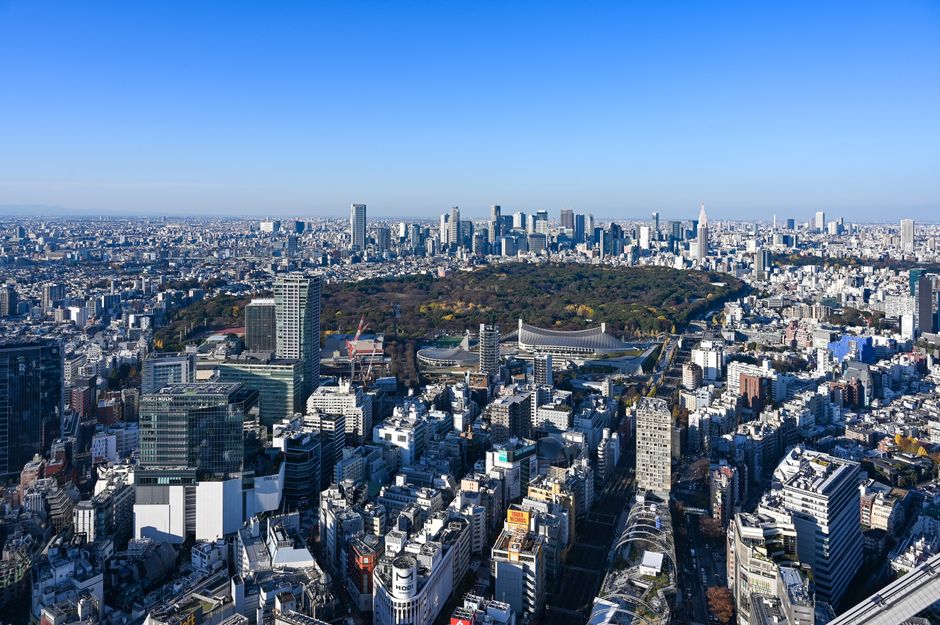
Every morning, 14 million journeys crisscross Tokyo's metropolitan area—a figure that hasn't fundamentally changed in decades, yet the people making those journeys have transformed entirely. Stand on the platform at Shinjuku Station during rush hour and you're witnessing one of the world's most organised human migrations, but look closer and you'll see the texture of modern Tokyo written across commuters' faces.
The stereotypical image of packed trains where white-gloved staff squeeze passengers into carriages belongs to the 1980s. Today's Tokyo commute tells different stories. There's the growing cohort of remote workers, now representing roughly 18% of Tokyo's workforce, who use the JR lines and Tokyo Metro not out of necessity but choice—treating the 30-minute journey from Koenji to a Ginza office as thinking time. There are the elderly volunteers who staff information desks across the 290 stations of the Tokyo Metro network, many working into their seventies because they choose to, not because they must.
Along the Yamanote Line—that famous 34.5-kilometre loop that connects Tokyo's beating heart—the daily cast changes like a living theatre. The University of Tokyo students heading to Komaba campus in the early hours, laptops stuffed into worn rucksacks. The nurses clocking off from Shinjuku Medical Centre at 8am, exhausted but navigating the crowded cars with practised ease. The delivery workers, predominantly from Southeast Asia now, whose bicycles have become as iconic to Tokyo's streets as the red taxi cabs—earning around ¥250,000 monthly while reshaping how the city moves goods through its narrow alleyways.
What's genuinely shifted is accessibility. The average monthly commute pass costs ¥1,000 for high school students, while adult passes range from ¥2,600 to ¥9,500 depending on distance. These prices have barely moved in real terms in five years, yet Tokyo's transport network has become more welcoming—tactile paving on every platform, audio announcements in five languages, priority seating now actively monitored.
The Roppongi Hills residents who arrive by private car represent a vanishing minority. Even Tokyo's wealthiest increasingly use the Oedo Line—not from economy but from recognition that moving through the city by train, alongside millions of others, is how you actually understand where you live. The commute, once endured, has become for many a genuine part of their Tokyo identity. That's the real story the statistics miss.
This article was compiled by AI from the sources linked above and screened before publishing. See our editorial standards.
How does this story make you feel?
Spread the word
About this article
Published by The Daily Tokyo
Daily brief
Free, in your inbox before 7am. Weekdays.
More in lifestyle