Where Tokyo's Shopping Markets Still Pulse With Neighbourhood Soul
From Tsukiji's vendors to Yanaka's vintage boutiques, local markets reveal the real character of Tokyo's most livable districts.
From Tsukiji's vendors to Yanaka's vintage boutiques, local markets reveal the real character of Tokyo's most livable districts.
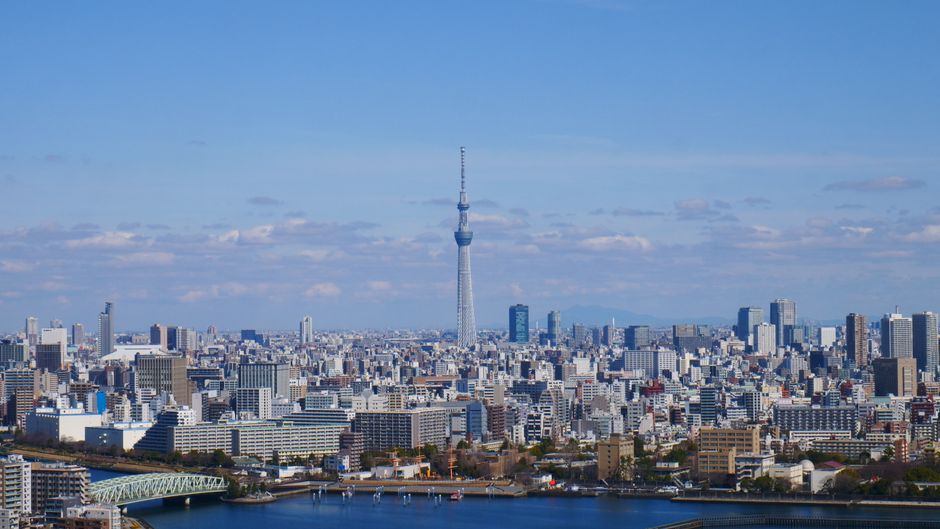
Walk through Tokyo's neighbourhood shopping markets on any given morning, and you'll witness something increasingly rare in a city of 37 million: genuine community gathering spaces that haven't been flattened by corporate homogeneity.
The Tsukiji Outer Market, operating since the 1930s, remains a masterclass in urban vitality. Though the wholesale fish market relocated in 2018, the outer market's 90-plus vendors still draw locals seeking everything from fresh tuna to imported spices. A visit at 7am reveals the rhythm that defines these spaces—regulars greeting fishmongers by name, prices negotiated with easy familiarity, the energy of people who've shopped the same stalls for decades.
But the real neighbourhood character emerges in districts like Yanaka and Shimokitazawa, where independent retailers define local identity rather than merely service it. Yanaka's Ginza Street, lined with traditional wooden shophouses, hosts everything from kimono dealers to hand-thrown pottery studios. Foot traffic here averages around 15,000 visitors monthly—substantial, yet intimate enough that shopkeepers remember regulars' preferences.
What distinguishes these markets is their social function. They're where salary workers grab breakfast before commuting, where elderly residents socialise while selecting vegetables, where neighbourhood kids learn the names of local business owners. This intergenerational fabric remains mostly absent from Tokyo's shopping malls and convenience store chains.
Prices reflect this community value. At Ota Market in Setagaya ward, fresh produce typically runs 20-30 percent cheaper than supermarket chains—a reality that keeps residents invested in shopping locally rather than clicking through delivery apps. A bunch of seasonal greens costs around ¥200-300; fresh fish selections start at ¥800 per portion.
The municipality recognises these spaces as cultural infrastructure. The Tokyo Metropolitan Government's 2025 survey identified 87 traditional shopping streets across the city, with preservation initiatives allocating ¥2.3 billion annually for street revitalisation projects. Yet challenges persist: shopkeeper populations are aging, and rent pressures remain constant.
What makes these markets resilient isn't nostalgia—it's utility combined with community. Vendors at Yanaka's weekend markets report steady foot traffic from younger residents actively choosing local over convenience. Several shops have implemented Instagram presences and QR payment systems while maintaining their core identity.
For anyone seeking Tokyo's authentic neighbourhood character, these markets reveal a city far more complex than its gleaming corporate facade. They're where local identity persists not through preservation efforts, but through daily choice and genuine community investment.
This article was compiled by AI from the sources linked above and screened before publishing. See our editorial standards.
How does this story make you feel?
Spread the word
About this article
Published by The Daily Tokyo
Daily brief
Free, in your inbox before 7am. Weekdays.
More in lifestyle