Your Essential Guide to Tokyo's Green Spaces: Where to Go and How to Make the Most of It
From riverside trails to pocket gardens hidden between skyscrapers, here's how Tokyo residents can reclaim outdoor living without leaving the city.
From riverside trails to pocket gardens hidden between skyscrapers, here's how Tokyo residents can reclaim outdoor living without leaving the city.
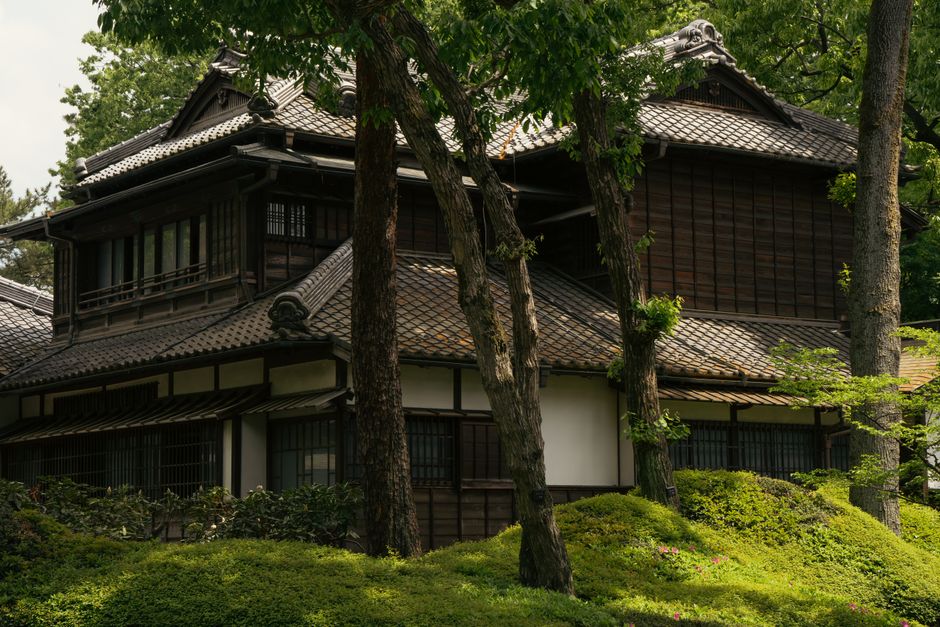
Tokyo's 2,194 parks might seem scattered across the metropolis, but they're more accessible than you think—and increasingly essential as urban living intensifies. Whether you're seeking weekend refuge or daily green time, here's how to navigate the city's outdoor offerings like a seasoned resident.
Start with the classics, then venture out. Yoyogi Park in Shibuya remains Tokyo's most visited green space, drawing 10 million visitors annually. But locals know the secret: arrive by 7 a.m. on weekdays for genuine tranquility. The 54-hectare expanse offers jogging paths, meditation gardens, and open lawns perfect for picnics. Entry is free. For something less crowded, head to Rikugien in Bunkyo-ku, a Edo-period landscape garden (¥300 entry) featuring a walking path that circumnavigates a central pond. The seasonal foliage is worth the 30-minute walk from Komagome Station.
Embrace the waterfront renaissance. The Tamagawa Canal running through Setagaya and Meguro wards has undergone significant greening in recent years. The 15-kilometer cycling and walking route from Tamagawa Lock to Futako-Tamagawa is free and increasingly popular among residents seeking structured outdoor routes. Pro tip: rent a standard bicycle from any convenience store partnership (typically ¥1,000 per day) rather than buying.
Discover neighbourhood micro-parks. Tokyo's smaller parks often reveal surprising character. Kyu-Furukawa Garden in Kita-ku (¥150) blends Japanese and Western landscape design. Inokashira Park in Musashino offers boating and woodland trails within the western suburbs. These spaces typically see 30-40% fewer visitors than central locations, making them ideal for genuine outdoor living rather than sightseeing.
Plan seasonally. Cherry blossom season (late March to early April) transforms parks but creates chaos—expect crowds and inflated food prices. Instead, target June's hydrangea blooms at Meiji Shrine Iris Garden or autumn colors in November at Koishikawa Korakuen (¥300). Winter park usage drops 60%, offering unprecedented solitude.
Invest in proper gear. Tokyo summers are humid; moisture-wicking clothing (readily available at Uniqlo or sports shops) is non-negotiable. Portable shade structures cost ¥3,000-8,000 and transform picnic experiences. Download the Tokyo Parks Association app for real-time facility information and seasonal updates.
The reality: outdoor living in Tokyo requires intention but yields substantial returns. Your physical and mental health depends on it. Start this week with one new park within your ward.
This article was compiled by AI from the sources linked above and screened before publishing. See our editorial standards.
How does this story make you feel?
Spread the word
About this article
Published by The Daily Tokyo
Daily brief
Free, in your inbox before 7am. Weekdays.
More in lifestyle


