Tokyo's Best-Kept Nightlife Secrets: Tips and Honest Recommendations from Locals Who Live It Daily
Skip the tourist traps and explore where Tokyo's residents actually spend their evenings, according to those who know the city's bar scene inside out.
Skip the tourist traps and explore where Tokyo's residents actually spend their evenings, according to those who know the city's bar scene inside out.
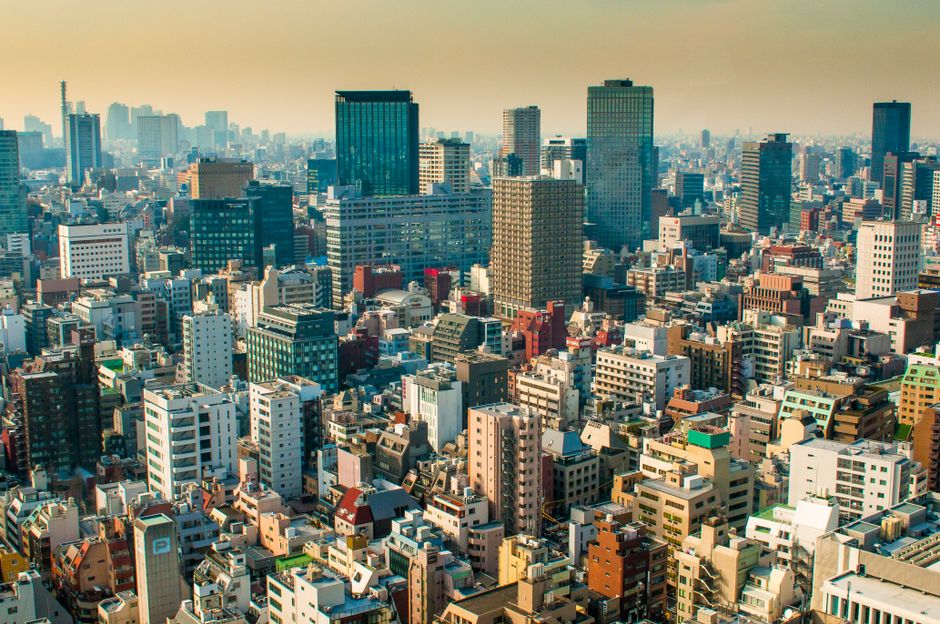
Tokyo's nightlife reputation precedes it—neon-soaked streets, endless karaoke, izakayas packed shoulder-to-shoulder. But venture beyond the guidebook circuit, and you'll discover what locals have known for years: the best nights happen in neighbourhoods where residents outnumber tourists by orders of magnitude.
Shimokitazawa, west of Shibuya, remains a favourite among Tokyo's creative class. The warren of narrow alleys hosts intimate standing bars where a highball costs ¥800–¥1,200, considerably less than Shinjuku's inflated prices. Locals recommend arriving after 10 p.m., when the after-work salary-man crowd thins and conversation actually becomes possible. The neighbourhood's theatre scene also attracts artists and performers who frequent bars like Memory Lane, where regulars have occupied the same stools for decades.
For something less explored, residents point to Omoide Yokocho in West Shinjuku—technically a tourist zone, but genuinely where locals eat and drink. The narrow alley's yakitori joints charge ¥150–¥300 per skewer, and the communal seating creates organic connections. Ask for recommendations rather than ordering blindly; proprietors notice genuine interest and often steer visitors toward their best offerings.
Kichijoji, consistently ranked among Japan's most desirable neighbourhoods, offers a blueprint for balanced nightlife. The area around Kichijoji Station hosts everything from craft cocktail bars (expect ¥1,500–¥2,000 per drink) to casual wine bars where residents gather mid-week. Locals appreciate the absence of aggressive touting and the presence of actual community—people here stay for years, not nights.
Nakameguro appeals to a different demographic: young professionals and creative workers. The riverside bars along Meguro River offer seasonal seating (currently unavailable until October's cooler weather), and venues like Kinfolk Tokyo attract a thoughtful crowd. Prices reflect the neighbourhood's upscale positioning—¥2,000+ for cocktails—but the experience justifies the expense.
The honest recommendation: avoid peak hours (9–11 p.m. Thursday–Saturday) if you prefer actual conversation. Tuesday and Wednesday nights reveal Tokyo's true social fabric. Dress modestly; Tokyo's nightlife remains relatively formal, and standing out negatively closes doors. Learn basic Japanese phrases; bartenders reward genuine effort with better service and insider knowledge.
Most importantly, locals emphasise treating these spaces as genuine communities, not performance venues. Tokyo's best nights come not from seeking them, but from becoming part of the neighbourhood rhythm—a regular, eventually, in someone else's favourite bar.
This article was compiled by AI from the sources linked above and screened before publishing. See our editorial standards.
How does this story make you feel?
Spread the word
About this article
Published by The Daily Tokyo
Daily brief
Free, in your inbox before 7am. Weekdays.
More in lifestyle