From Shibuya Scramble to Yanaka Backstreets: How Tokyo's Commute Routes Reveal Neighbourhood Soul
Each train line, bus route and walking path through Tokyo tells a distinct story about the communities it connects—and the people who call them home.
Each train line, bus route and walking path through Tokyo tells a distinct story about the communities it connects—and the people who call them home.
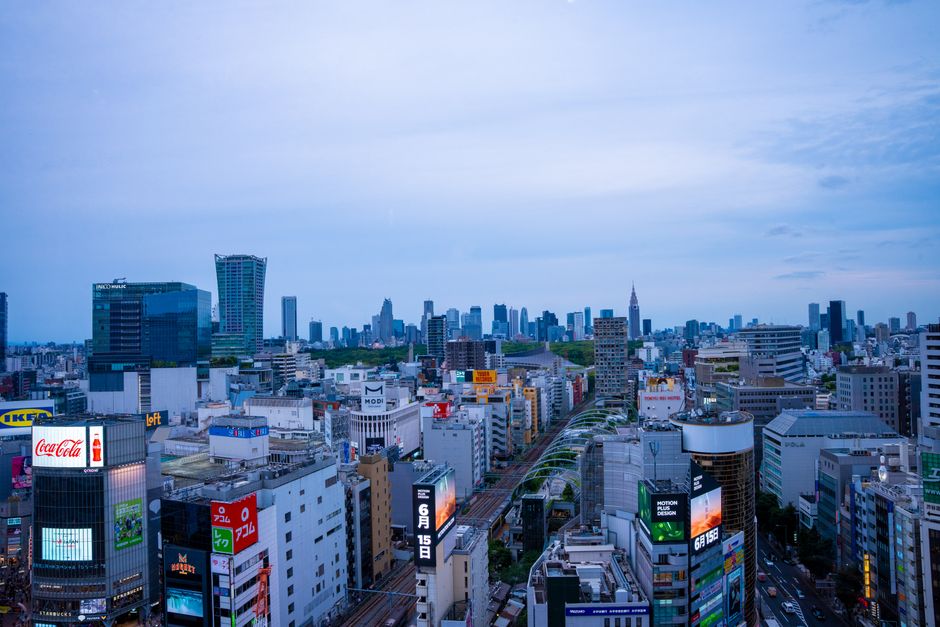
Tokyo's transport network moves 37 million passengers daily, but beneath the efficiency statistics lies something more intimate: a mosaic of distinct neighbourhood characters that reveal themselves only to those paying attention during their commute.
Take the Ginza Line northbound from Ginza Station. Businesspeople in pressed suits dominate until Uguisudani, where the demographic shifts subtly. Here, the platform empties into a quieter Tokyo—one of elderly residents heading to the shotengai covered shopping streets, where fishmongers and sweet shops have occupied the same storefronts for decades. The neighbourhood's vibe is distinctly intergenerational; grandmothers chat with young couples browsing vintage furniture shops converted from old machiya townhouses.
Contrast this with a westbound journey on the JR Yamanote Loop. Commuters boarding at Shinjuku experience organised chaos—salarymen, students, tourists compressed into trains operating at 200 per cent capacity during peak hours (7–9am). But exit at Harajuku or Shimokitazawa, and the atmosphere fractures into youth culture: fashion students, musicians, creative entrepreneurs inhabiting narrow streets lined with independent boutiques and live music venues. The JR Sobu Line extension to Akihabara carries a different tribe entirely—tech enthusiasts and anime fans whose community identity shapes everything from street-level vending machines to the architectural language of the neighbourhood itself.
The Chiyoda Line tells perhaps the most layered story. Running from Ayase through central Tokyo to Yotsuya, it's a socioeconomic cross-section. Rush-hour commuters include factory workers from eastern wards, office workers from Kasumigaseki's government district, and medical professionals heading to university hospitals. Each station platform becomes a microcosm of Tokyo's class stratification and professional diversity.
But the real neighbourhood character emerges in off-peak hours. Mid-morning on the Keio Line heading toward Shinjuku reveals retirees with shopping bags, parents with toddlers, freelancers heading to co-working spaces. The 3pm crowd on the Marunouchi Line—predominantly women aged 25–45—suggests something about Tokyo's service economy and gendered labour patterns.
Tokyo's neighbourhoods aren't defined by their train stations alone. Walking routes matter equally. The Yanaka area, accessible via Nezu or Sendagi stations on the Chiyoda Line, reveals itself best on foot through narrow lanes where residents greet each other by name. This is Tokyo's slower heartbeat—accessible, intimate, rooted.
For newcomers and long-term residents alike, understanding Tokyo's true character means riding its trains not as transit corridors but as cultural anthropology in motion.
This article was compiled by AI from the sources linked above and screened before publishing. See our editorial standards.
How does this story make you feel?
Spread the word
About this article
Published by The Daily Tokyo
Daily brief
Free, in your inbox before 7am. Weekdays.
More in lifestyle