Tokyo Neighbourhoods Guide: Live Like a Local in 2024
Discover Tokyo's best neighbourhoods beyond tourists spots. Master shotengai shopping streets, find authentic ramen, and integrate into local communities across Yanaka, Meguro, and beyond.
Discover Tokyo's best neighbourhoods beyond tourists spots. Master shotengai shopping streets, find authentic ramen, and integrate into local communities across Yanaka, Meguro, and beyond.
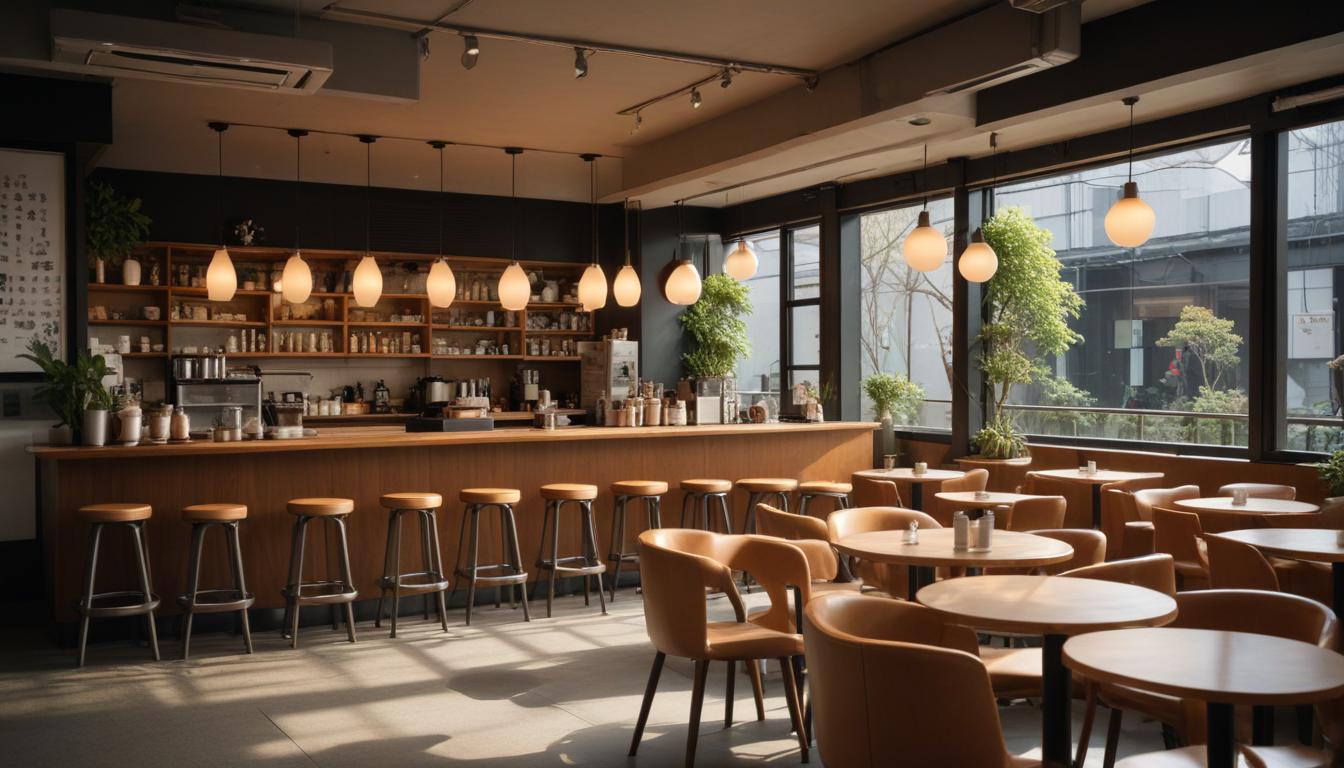
Tokyo's 23 special wards sprawl across 2,194 square kilometres, yet the secret to enjoying this megacity lies not in tourist hotspots but in understanding your neighbourhood's rhythm. Whether you've just moved to Meguro, Chiyoda, or Taito, mastering your local area transforms Tokyo from overwhelming metropolis into a series of manageable, liveable villages.
Start with the shotengai—the narrow shopping streets that define Japanese neighbourhood life. Yanaka's Yanesen district, spanning Yanaka, Nezu, and Sendagi, preserves this charm beautifully. Its 200+ independent shops, family-run restaurants, and sake bars operate on genuine hospitality rather than tourist appeal. A bowl of ramen here costs ¥950; a coffee at a neighbourhood kissaten, ¥600. These aren't just transactions—they're community anchors where proprietors remember regulars by name.
Understanding Tokyo's transport logic unlocks freedom. The Yamanote Line's 34 stations create distinct neighbourhoods within reaching distance. Harajuku draws youth culture; Ikebukuro appeals to families; Shinjuku pulses with commerce. But bypass these for Nakano Broadway's anime culture or Shimokitazawa's indie theatre and vintage shops if you want authentic community engagement. Monthly transport passes (¥1,000 within central wards) make exploration affordable.
Community spaces anchor neighbourhood life in ways Western cities often miss. Tokyo's 7,600+ public parks offer more than green space—they're social infrastructure. Yoyogi Park hosts weekend markets and community events; Rikugien in Bunkyo provides seasonal gathering points. Check your ward office's community centre (kominkan) schedule: most offer ¥100-300 classes in everything from calligraphy to community cooking.
The real neighbourhood guide? Your local ward office website and neighbourhood association (chonaikai). Though bureaucratic-sounding, these organisations coordinate street cleanups, seasonal festivals, and disaster preparedness—and they're where you'll genuinely meet neighbours. Many areas hold summer matsuri festivals requiring participation from residents; joining builds belonging faster than months of solo exploration.
Food defines neighbourhood identity. Each ward has specific specialities: Tsukiji's seafood culture, Fukutoshin's okonomiyaki traditions, Asakusa's tempura heritage. Visit your neighbourhood's main supermarket—not convenience stores—and chat with staff about local recommendations. Markets like Ota Market (wholesale produce) occasionally open to public; these reveal how communities actually feed themselves.
Finally, become a regular somewhere small. A neighbourhood soba shop, a local onsen, a community garden. Tokyo's 37.4 million residents thrive not through conquering the city but through deepening roots in their specific corner of it. That's how you transform from visitor to resident.
This article was compiled by AI from the sources linked above and screened before publishing. See our editorial standards.
How does this story make you feel?
Spread the word
About this article
Published by The Daily Tokyo
Daily brief
Free, in your inbox before 7am. Weekdays.
More in lifestyle