Tokyo's Best Weekend Escapes: What Local Residents Actually Do When They Want to Disappear
Forget the guidebooks—we asked Tokyoites where they really go to recharge, and their honest answers reveal a city far beyond the tourist trail.
Forget the guidebooks—we asked Tokyoites where they really go to recharge, and their honest answers reveal a city far beyond the tourist trail.
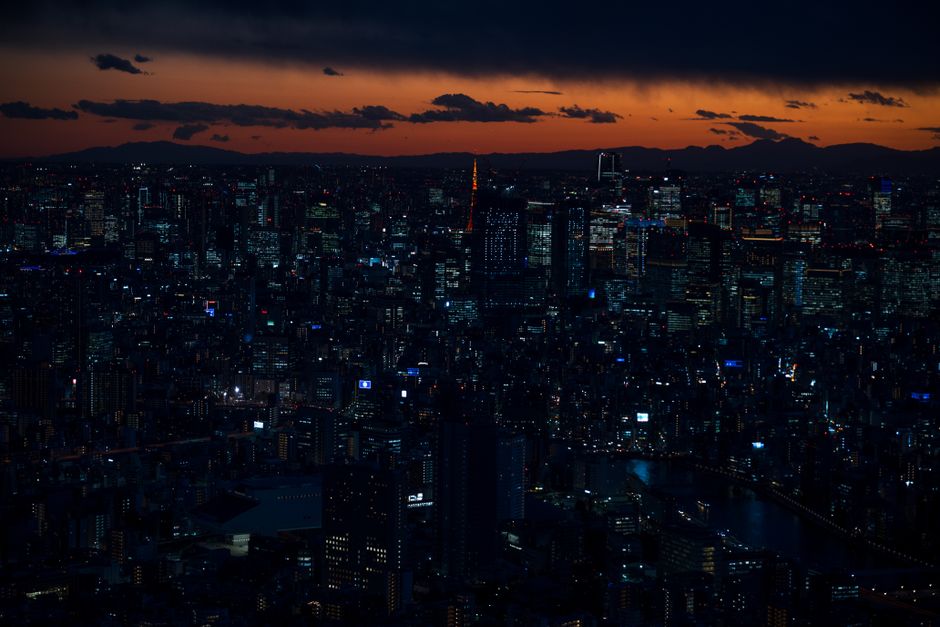
When you live in Tokyo's relentless energy, weekends become precious currency. We spoke with residents across Shibuya, Chiyoda, and the quieter neighborhoods of Setagaya to discover where locals genuinely spend their downtime—and the answer isn't always Instagram-famous.
Hiroshi Nakamura, who works in finance near Marunouchi, swears by the Tamagawa Canal Trail in Setagaya. "Most tourists don't know it exists," he explains. The 6-kilometre cycling route from Futako Tamagawa to Futakoshinchi costs nothing and takes roughly ninety minutes at a leisurely pace. Weekend mornings draw a steady crowd of locals, not crowds. Nakamura recommends packing convenience store onigiri and stopping at the small parks dotted along the route—total spend: under ¥1,500.
For those seeking genuine respite, Okutama lies just 90 minutes west on the JR Ome Line (around ¥1,700 return). Locals describe it as Tokyo's open secret. The Okutama Lake circuit offers hiking trails ranging from two to six hours, with mountain air and minimal tourist infrastructure. One resident noted the train fare is subsidised for regular commuters, making repeat visits economical.
Closer to central Tokyo, the Meiji Shrine precinct remains underrated—not the main shrine, but the surrounding Yoyogi Forest. Residents frequent it on weekday mornings when crowds thin considerably. Entry is free, and the forest's 1,500 trees provide genuine solitude within the 23 wards.
Shopping and leisure preferences reveal interesting patterns. The Ota Ward antique markets near Kamata station operate select Sundays and attract serious local collectors rather than tourists. Vintage housewares and furniture typically cost 30-50 percent less than Harajuku equivalents. One regular estimated spending ¥3,000-¥5,000 for quality finds that last years.
For rainy weekends, locals recommend the teamLab Borderless digital art museum in Odaiba—not for the hype, but because advance booking (¥3,200) actually manages crowds effectively. Residents tend to visit off-peak afternoons on weekdays rather than weekends, suggesting flexibility with schedules yields better experiences.
The consensus among Tokyo residents: the city's best weekend value involves knowing when mainstream attractions thin out, embracing neighbourhoods beyond central wards, and understanding that Tokyo's greatest asset remains free—its parks, waterways, and walking routes. Escape doesn't require expensive bookings; it requires local knowledge.
This article was compiled by AI from the sources linked above and screened before publishing. See our editorial standards.
How does this story make you feel?
Spread the word
About this article
Published by The Daily Tokyo
Daily brief
Free, in your inbox before 7am. Weekdays.
More in lifestyle