Best Bars in Tokyo: Summer Guide to Shibuya & Beyond
Discover Tokyo's evolved bar scene across Shibuya, Dogenzaka, and hidden neighborhoods. Navigate diverse venues from ¥500 izakayas to premium cocktail lounges with this local guide.
Discover Tokyo's evolved bar scene across Shibuya, Dogenzaka, and hidden neighborhoods. Navigate diverse venues from ¥500 izakayas to premium cocktail lounges with this local guide.
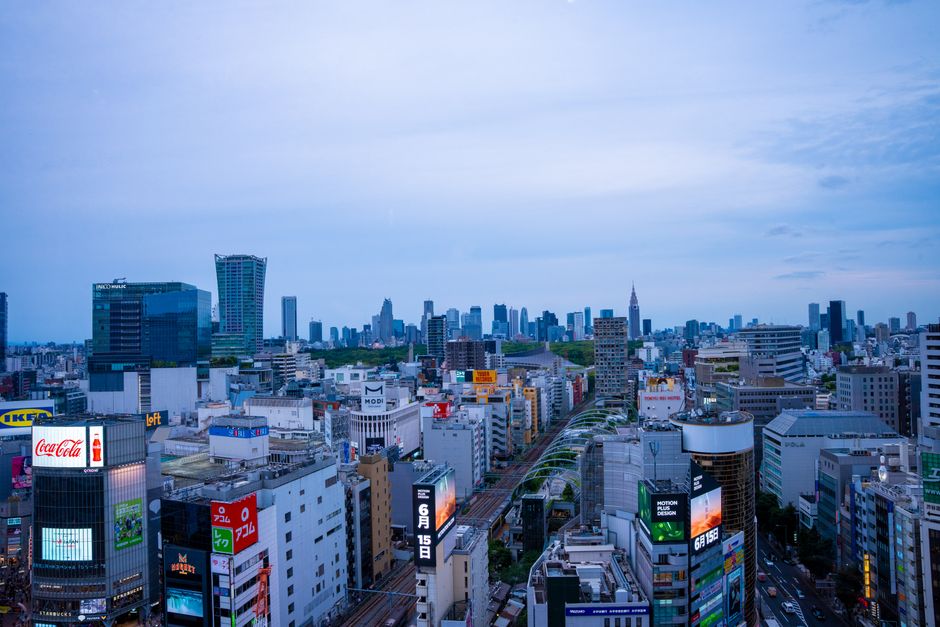
Tokyo's bar culture has evolved dramatically over the past decade, and summer 2026 finds the city's nightlife scene more accessible and varied than ever. For residents ready to venture beyond their usual spots—or discover them entirely—understanding the landscape is key to maximizing those precious after-work hours.
Start with geography. Shibuya remains the high-energy epicentre, with its 2,000-plus bars ranging from cramped standing izakayas charging ¥500 per drink to cocktail lounges running ¥1,500 and up. But the real discovery happens in adjacent pockets. Dogenzaka's narrow alleys hide intimate whiskey bars where regulars have occupied the same stools for decades, while Centre-gai's pedestrian strip offers everything from craft beer specialists to karaoke fusion venues. Budget ¥3,000-5,000 for a solid evening here, excluding food.
For those seeking sophisticated conversation over spectacle, head to Ginza's side streets or the quieter corners of Roppongi. These neighbourhoods skew older, pricier (¥2,000-3,000 per cocktail is standard), but reward curiosity with sommeliers who actually listen and bartenders trained in Tokyo's world-class standards. The Ginza-Hibiya corridor has solidified itself as serious drinkers' territory.
Shinjuku's Golden Gai and Memory Lane remain legendary but crowded—expect queues after 10 p.m. and a ¥600-1,000 cover charge at most spots. These micro-bars (some seating only six people) offer unfiltered local character, though booking ahead via your hotel concierge or asking regular patrons for recommendations is advisable.
Don't overlook Shimokitazawa and Harajuku's backstreets, where younger professionals congregate at brewery-focused bars and natural wine spots. These neighbourhoods trend 20-30 percent cheaper than central districts while maintaining serious credentials. Shimokitazawa's converted theatre district aesthetic adds genuine atmosphere often absent from corporate zones.
Practical advice: Most bars don't take reservations except at high-end establishments. Cash remains king in smaller venues, though major cards work everywhere else. Last trains run until around midnight, so plan accordingly or budget for a taxi (typically ¥2,000-4,000 depending on distance). Tuesday through Thursday offer the best balance of crowds and availability; weekends require patience.
Consider joining platforms like Tabelog or local apps flagging happy-hour timings and new openings—the scene refreshes constantly. Summer heat means many bars now extend outdoor seating, transforming rooftops and alleyways into viable social spaces until 2 a.m.
Tokyo's nightlife rewards exploration. Start in one neighbourhood, follow the foot traffic, and trust your instincts. The best evenings rarely match what guidebooks promise.
This article was compiled by AI from the sources linked above and screened before publishing. See our editorial standards.
How does this story make you feel?
Spread the word
About this article
Published by The Daily Tokyo
Daily brief
Free, in your inbox before 7am. Weekdays.
More in lifestyle


