Tokyo Family Life: Your Practical Guide to Schools, Parks and Community Spaces That Actually Work
From Minato's bilingual education options to weekend adventures in Setagaya, here's how to build a sustainable family rhythm in the city.
From Minato's bilingual education options to weekend adventures in Setagaya, here's how to build a sustainable family rhythm in the city.
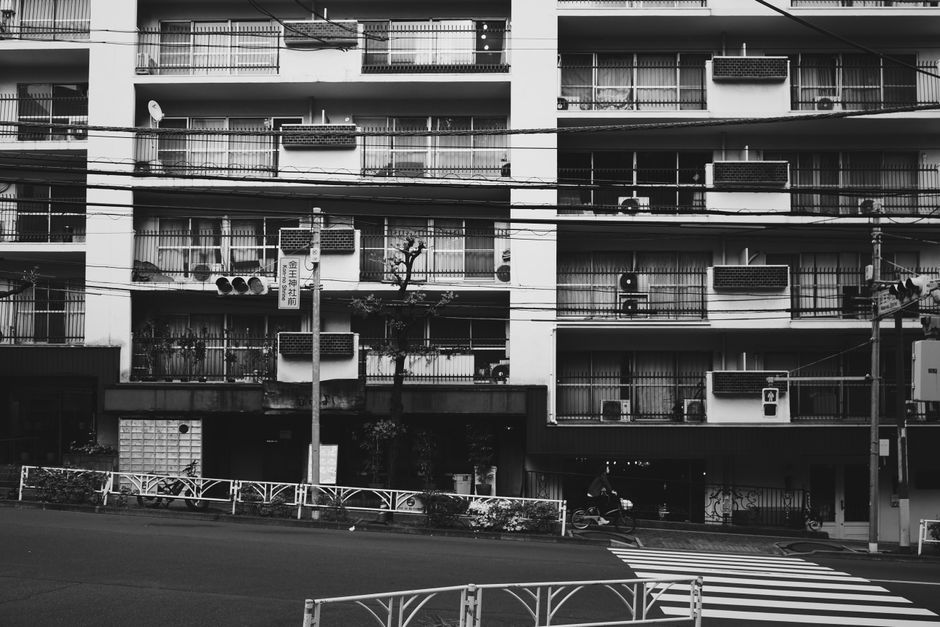
Raising children in Tokyo demands a different playbook than other major cities. The density, the rail system, the school calendar—it all requires strategic planning. But thousands of families have cracked the code, and the infrastructure to support them has never been better developed.
Start with schooling, the foundation of most families' Tokyo experience. International schools cluster in Minato and Shibuya wards, with options like Aoba-Japan International School (tuition around ¥2.2 million annually) serving expat communities across the city. For families seeking Japanese education with English support, public primary schools now offer enhanced foreign language programmes; enrollment is handled through your local ward office (ku-yakusho). The Tokyo Metropolitan Board of Education maintains a straightforward English-language guide to the system.
Neighbourhood matters more than you'd expect. Setagaya ward has become a quiet haven for young families—affordable compared to central wards, with excellent parks like Seiji Togo Memorial Sompo Japan Nipponkoa Museum of Art's adjoining green space and the sprawling Uehara Park. Shibuya's quieter pockets, particularly around Tomigaya and Kamiyama, offer village-like calm while staying connected to central amenities.
Weekend structure is everything. The Ueno Zoo (¥600 entry) remains a reliable Saturday destination, while Yoyogi Park in Shibuya offers expansive lawns for picnics and cycling. For rainy days, teamLab Borderless in Odaiba (around ¥3,200 for adults) provides immersive play space that entertains children aged 4-14 effectively. The Mori Building Digital Art Museum has become essential infrastructure for Tokyo parents.
Community organisations provide the connective tissue. Local PTAs (parent-teacher associations) operate through schools, while international parenting groups meet regularly—check message boards on Metropolis magazine's website for gatherings in your ward. Libraries across Tokyo (free entry) host bilingual story hours; Shibuya Library's children's section is exceptionally well-resourced.
Practical rhythms matter. Most families synchronise around school holidays (spring and summer breaks roughly aligned with Western calendars, plus a winter break). The commute culture means many parents work near their child's school, shortening journey times. Train passes for children become essential by age 6-7; regional Suica cards offer monthly passes around ¥2,000-3,000.
Tokyo's family infrastructure isn't intuitive initially, but it's remarkably efficient once understood. The key is community—finding your neighbourhood's rhythm and tapping into networks of families solving identical challenges daily. That's where sustainable family life takes root.
This article was compiled by AI from the sources linked above and screened before publishing. See our editorial standards.
How does this story make you feel?
Spread the word
About this article
Published by The Daily Tokyo
Daily brief
Free, in your inbox before 7am. Weekdays.
More in lifestyle


