Why Tokyo's Markets Beat Every Other City in the World—And It's Not Just About Price
From hyper-curated vintage districts to ultra-efficient convenience stores, Tokyo's retail ecosystem offers something no other global city can replicate.
From hyper-curated vintage districts to ultra-efficient convenience stores, Tokyo's retail ecosystem offers something no other global city can replicate.
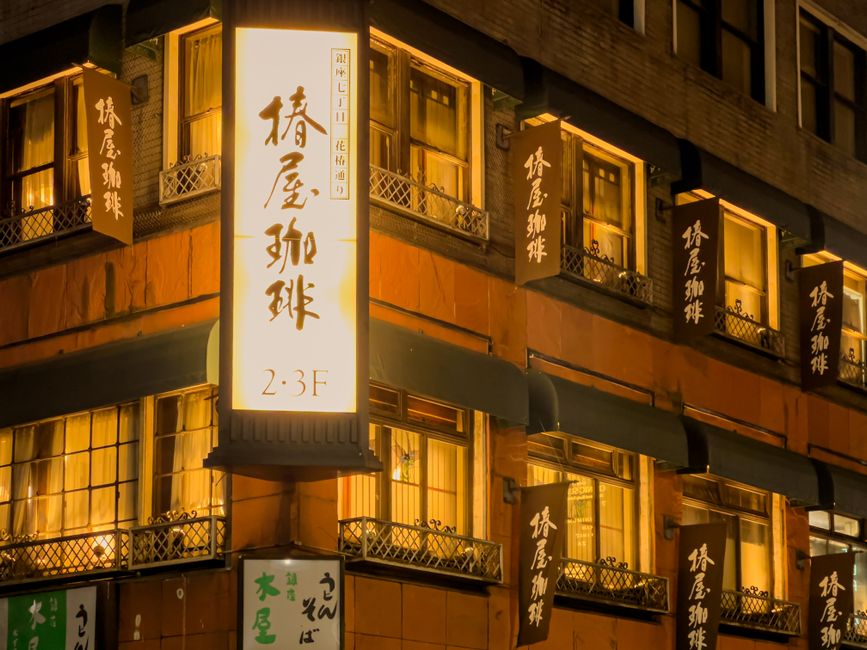
Walk into a Uniqlo on Fifth Avenue in New York and you'll find basics. Step into the flagship on Omotesando in Tokyo and you'll discover an architectural statement that doubles as a meditation on minimalism. This distinction—the marriage of commerce and culture—is what separates Tokyo's shopping experience from every other major city on earth.
Consider the numbers: Tokyo has over 100,000 retail establishments within its 23 wards, yet somehow avoids the soulless homogenisation that plagues shopping districts elsewhere. The Takeshita Street corridor in Shibuya attracts 3.5 million visitors annually, yet remains intensely hyper-local. Each of the roughly 200 shops crammed into this pedestrian avenue curates its own aesthetic—a rebellion against the corporate monoculture seen in comparable retail zones across London, Paris or Seoul.
The secret lies in Tokyo's tiered retail architecture. At street level, you have the sensory chaos: the hand-roasted chestnut vendors of Harajuku, the century-old sake breweries operating in Asakusa. One tier up—literally and metaphorically—are the shopping centres and arcades that transform vertical space into treasure hunts. Roppongi Hills and Tokyo Midtown appeal to international audiences, but it's the warren-like Sunshine City mall in Ikebukuro that reveals Tokyo's true genius. Built in 1978, this complex still manages to feel contemporary, with micro-boutiques sharing floors with chain stores in a balance that prevents any single brand from dominating your experience.
Then there's the uniquely Japanese phenomenon of 100-yen shops and convenience stores functioning as cultural institutions. A Daiso in Ginza isn't just selling phone holders for ¥110—it's offering democratised design. There's simply no equivalent in New York or Berlin. A 7-Eleven at 3 a.m. in Shinjuku becomes a social space, a gathering point, a window into how Japanese retail philosophy treats commerce as community service.
The vintage markets deserve special mention. Shimokitazawa's labyrinthine alleyways house independent boutiques that would be impossible to sustain in London's King's Road or New York's SoHo, where rental costs have eviscerated character. Here, a single-room shop selling 1980s leather jackets can operate because Tokyo's mixed-zoning regulations allow such economic diversity.
What ultimately distinguishes Tokyo is this: most cities have shopping districts. Tokyo has created an entire ecosystem where discovery feels inevitable, where quality isn't sacrificed for convenience, and where tradition and innovation coexist on the same block. That's not replicable elsewhere—and that's precisely the point.
This article was compiled by AI from the sources linked above and screened before publishing. See our editorial standards.
How does this story make you feel?
Spread the word
About this article
Published by The Daily Tokyo
Daily brief
Free, in your inbox before 7am. Weekdays.
More in lifestyle


