Tokyo Neighbourhood Guide: Live Like a Local
Discover Tokyo's shotengai shopping streets, local ramen spots, and community markets beyond tourist areas. Your guide to genuine neighbourhood living across Shibuya, Shimokitazawa, and Setagaya.
Discover Tokyo's shotengai shopping streets, local ramen spots, and community markets beyond tourist areas. Your guide to genuine neighbourhood living across Shibuya, Shimokitazawa, and Setagaya.
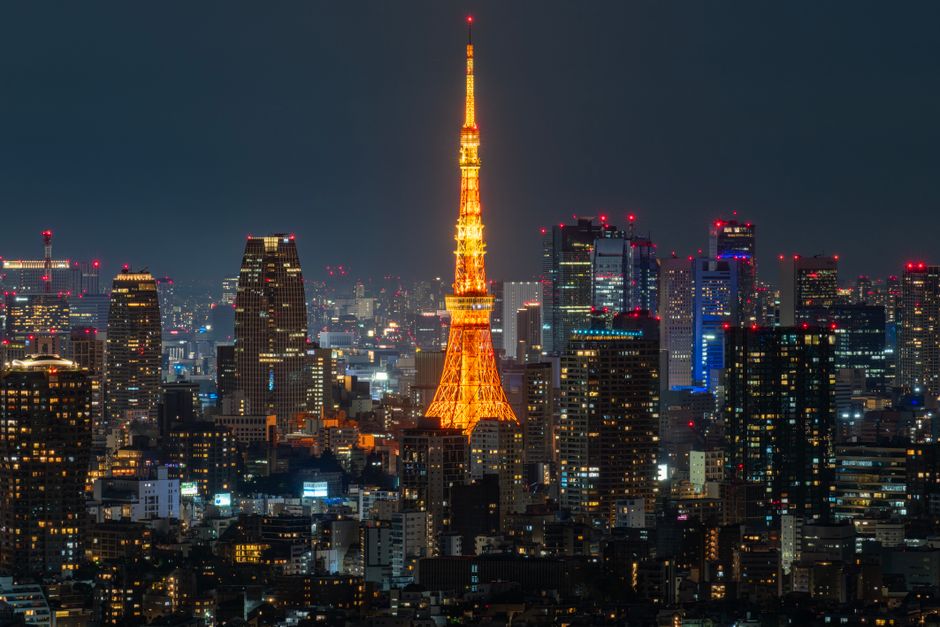
Tokyo's 37 special wards can feel overwhelming, but neighbourhood living here rewards curiosity. Whether you've just arrived or spent years in the city, the real Tokyo emerges when you stop treating districts as destinations and start treating them as home.
Start with your local shotengai—the covered shopping streets that anchor every neighbourhood. In Shimokitazawa, the Shimokita Shotengai stretches for over 400 metres, packed with vintage record shops, ramen joints where regulars have assigned seats, and a community notice board that doubles as your social network. A bowl of ramen costs around ¥900-1,200. These aren't Instagram moments; they're where neighbourhood life actually happens. The shotengai culture has seen a modest revival in recent years, with younger residents actively participating in seasonal festivals and neighbourhood associations.
Community centres (kominkan) are your secret weapon. Available in every ward—Tokyo operates roughly 2,800 publicly-run facilities—they offer everything from calligraphy classes (¥500-1,000 per session) to local history exhibitions. The Setagaya Ward Community Centres host regular neighbourhood events and are frequented by a genuine cross-section of residents. Many offer free or subsidised language exchange sessions, making them ideal if you're navigating daily life in Japanese.
Scout your nearest roji—the narrow alleyways that give Tokyo neighbourhoods their character. Yurakucho's under-railway izakaya district near Ginza, or the rambling backstreets of Koenji, reveal how communities actually function. Saturday mornings are prime time; locals shop at neighbourhood grocers rather than convenience chains, and you'll encounter the same faces weekly.
Engage with local governance. Each ward holds neighbourhood association (chonaikai) meetings monthly. Attending isn't obligation—it's access. You'll learn about everything from proper rubbish separation protocols to upcoming shrine festivals and local safety initiatives. These groups maintain Tokyo's seemingly effortless order.
Weekend markets cement neighbourhood identity. The Kamakura Marché (first Sunday of each month) draws Setagaya residents seeking local produce and handmade goods. Meguro Ward's farmers markets operate twice weekly, connecting you to local agriculture within the metropolitan sprawl.
Finally, embrace seasonal rituals. Summer Obon festivals transform ordinary streets into celebration spaces. Autumn brings neighbourhood sports days. Winter illuminations light up shopping districts from early November through January. These aren't tourist events—they're the calendar by which residents actually live.
Tokyo works because millions of people treat their 1-2 kilometre radius as genuinely theirs. That shotengai regular, the community centre volunteer, the market vendor who remembers your preferences—they're not extras in your Tokyo story. They're the story itself.
This article was compiled by AI from the sources linked above and screened before publishing. See our editorial standards.
How does this story make you feel?
Spread the word
About this article
Published by The Daily Tokyo
Daily brief
Free, in your inbox before 7am. Weekdays.
More in lifestyle