Tsukiji's Ghost Market: How Tokyo's Legendary Fish Hub Is Reinventing Itself Beyond the Move
Five years after relocating, the old Tsukiji grounds are transforming into a mixed-use destination that's reshaping how locals shop for food.
Five years after relocating, the old Tsukiji grounds are transforming into a mixed-use destination that's reshaping how locals shop for food.
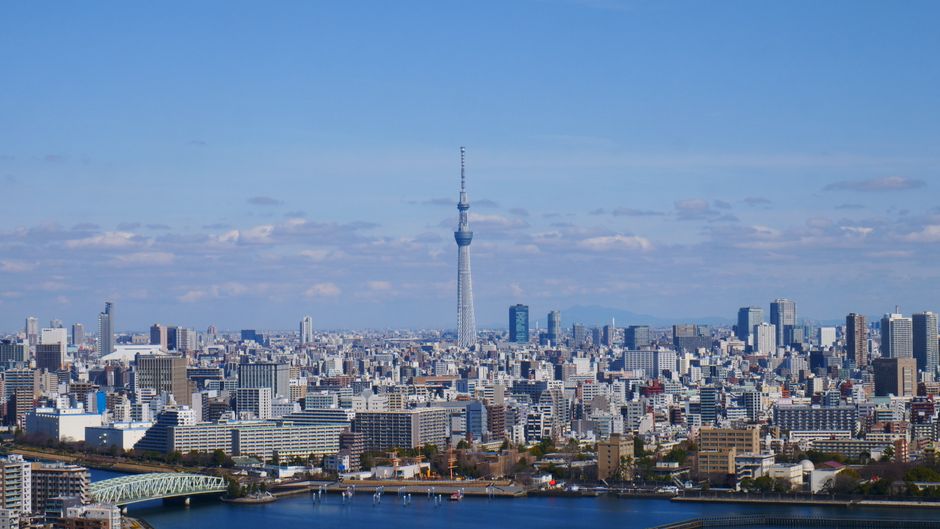
Walk along the outer ring of what was once Tsukiji Market on a Saturday morning, and you'll find something that would have bewildered shoppers a decade ago: artisanal coffee roasters, minimalist ceramics shops, and a micro-brewery tucked between vendors selling premium soy sauce and heritage vegetables. The wholesale fish market's 2018 move to Toyosu was meant to be an ending. Instead, it sparked a quiet reinvention.
The original Tsukiji site, nestled between Chuo Ward and the Sumida River, hasn't vanished into nostalgia. Rather, it's become a living case study in how Tokyo's retail landscape evolves when institutional anchors shift. Where fishmongers once gutted bluefin tuna at 3 a.m., independent vendors now set up stalls selling everything from heritage vegetables grown in Aomori to fermented goods that would cost triple at Ginza boutiques.
"The outer market was always the real Tsukiji," explains the owner of a vegetable stand who's worked the area for eighteen years. The 'jogai,' as locals call it, was never just about seafood. In 2024, a survey by the Chuo Ward Commerce Association found that 62% of regular outer-market shoppers still make weekly visits—surprisingly resilient figures for a neighbourhood many had written off.
What's changed is the customer base and product mix. Where salarymen and restaurant chefs once dominated, now you'll spot young parents, international tourists, and food writers hunting for Instagram-worthy finds. Prices have risen accordingly; heritage vegetables that sold for ¥300 five years ago now fetch ¥600-800. Yet foot traffic remains steady—the market recorded roughly 15,000 daily visitors in early 2026, down from the 2010s peak of 40,000, but stable compared to post-pandemic lows.
The real evolution lies in the ecosystem itself. New players are moving in. In the past eighteen months, three specialty shops have opened dedicated to umeboshi (pickled plums), one focuses exclusively on dried seaweed varieties, and a knife-sharpening service has taken permanent residence. These aren't chain operators; they're independent proprietors betting that Tsukiji's grit and authenticity remain valuable to Tokyo shoppers tired of mall culture.
It's tempting to frame this as nostalgic preservation—Tokyo clinging to its past. But the outer market's actual transformation tells a different story: one where a neighbourhood doesn't disappear when its original raison d'être relocates. Instead, it recalibrates, attracts new voices, and discovers new reason to exist. For residents across Chuo and Minato wards, Tsukiji remains essential precisely because it's no longer about single-purpose tourism. It's becoming, once again, genuinely local.
This article was compiled by AI from the sources linked above and screened before publishing. See our editorial standards.
How does this story make you feel?
Spread the word
About this article
Published by The Daily Tokyo
Daily brief
Free, in your inbox before 7am. Weekdays.
More in lifestyle