The Merchants of Memory: How Tokyo's Market Vendors Keep Community Alive
Behind every stall in Tsukiji Outer Market and Ota Market, generations of Tokyo shopkeepers are weaving the city's social fabric one customer at a time.
Behind every stall in Tsukiji Outer Market and Ota Market, generations of Tokyo shopkeepers are weaving the city's social fabric one customer at a time.
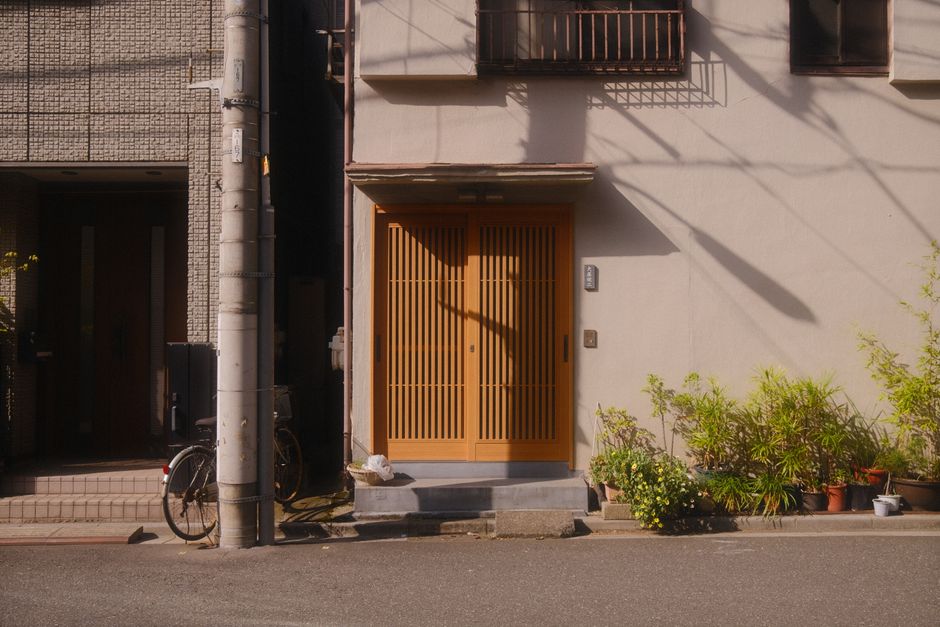
On a humid Tuesday morning in Chuo ward, Tsukiji Outer Market pulses with the kind of energy that no shopping mall can replicate. Here, among 470 stalls sprawling across narrow alleys, the real story isn't the tuna or the takoyaki—it's the people who've made these stands their life's work, and the regulars who've made them their routine.
Yuki Tanaka, who manages a dried goods shop her grandfather opened in 1956, represents a particular Tokyo phenomenon: the third-generation shopkeeper. "My grandfather sold to restaurants; my father sold to families; now I sell to everyone," she explains of the shift from wholesale to retail that reshaped Tsukiji after the 2018 market relocation. Her stall, tucked between a fishmonger and a nori specialist, stocks over 200 varieties of seaweed, mushrooms, and preserved vegetables at prices ranging from ¥500 to ¥3,000. But what keeps customers returning isn't the inventory—it's the ten-minute conversations about which shiitake works best for summer dashi, or how to store kombu properly through Tokyo's humid months.
This interpersonal dimension has become increasingly precious. A 2024 Tokyo Metropolitan Government survey found that 62% of residents under 35 source groceries primarily from convenience stores and supermarkets. Yet traditional markets like Tsukiji and Ota Market in Ota ward continue to thrive, attracting 1.9 million visitors annually—a figure that's climbed steadily since 2022.
The difference, merchants say, lies in what economists call "social infrastructure." These markets function as information hubs and gathering spaces. Produce seller Hiroshi Nakamura at Ota Market has spent forty years learning which customers prefer softer yuzu, or which need vegetables cut to specific sizes for meal prep services they run. He's not just vending; he's participating in dozens of small family economies across Minato and Shinagawa.
Yet the future remains uncertain. According to the All Japan Shichiba Association, Tokyo's traditional markets have lost approximately 15% of their vendor population over the past decade, as shop owners retire without successors. Gentrification pressures in central wards threaten long-standing leases.
What's emerging, however, is a new appreciation for these spaces. Food tourism has brought younger visitors seeking "authentic Tokyo," while locals increasingly recognize these markets as repositories of practical knowledge and human connection that algorithms cannot provide. In a city of 14 million, the stall vendors remain irreplaceable—not because of what they sell, but because of who they are to their community.
This article was compiled by AI from the sources linked above and screened before publishing. See our editorial standards.
How does this story make you feel?
Spread the word
About this article
Published by The Daily Tokyo
Daily brief
Free, in your inbox before 7am. Weekdays.
More in lifestyle


