Tokyo Train Guide for Residents: Navigate Like a Local
Master Tokyo's rail system beyond commuting. Learn Suica cards, Yamanote Loop secrets, and discover hidden neighborhoods accessible by train.
Master Tokyo's rail system beyond commuting. Learn Suica cards, Yamanote Loop secrets, and discover hidden neighborhoods accessible by train.
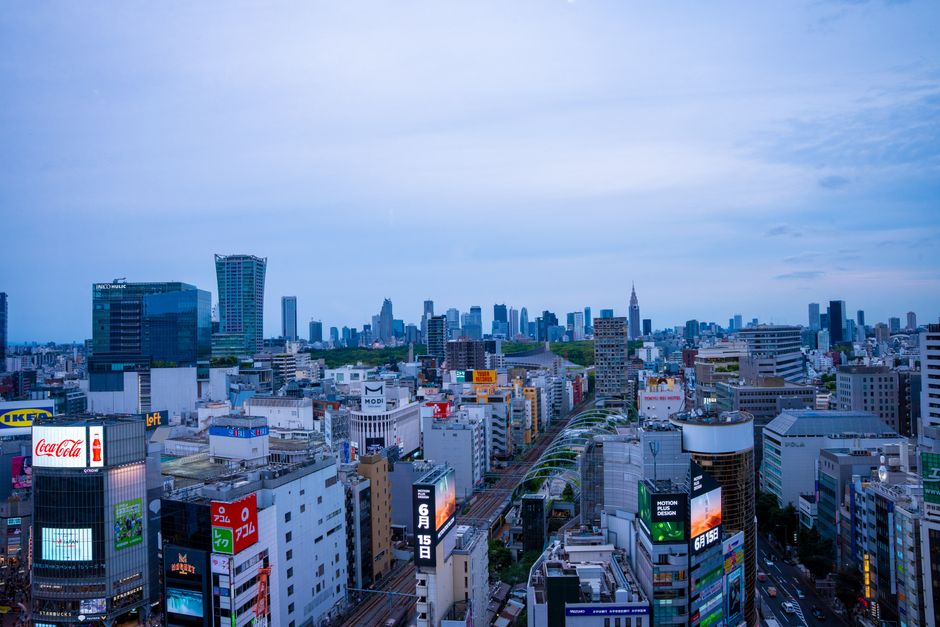
Tokyo's reputation for punctual trains and efficient metros is well-earned—but for residents seeking to genuinely explore rather than simply endure commutes, understanding the system's deeper rhythms transforms the entire experience. The metropolitan area's 2,700-plus kilometres of rail lines offer far more than getting to work on time.
Start with the fundamentals. A Suica or Pasmo card (around ¥2,000 including a ¥1,500 usable balance) works across virtually every train, bus, and even convenience store in the city. Unlike single tickets, these cards eliminate the mental arithmetic of fares across different operators—a genuine quality-of-life upgrade. The JR Yamanote Loop remains the backbone: a 34.5-kilometre circle connecting Shibuya, Shinjuku, Ikebukuro, and a dozen other neighbourhoods in roughly 60 minutes. But here's what distinguishes explorers from commuters: varying your exit points.
Rather than rushing through Harajuku toward work, consider the Omotesando Line's quieter eastern exit, which leads to Meiji Shrine's forested precincts—accessible year-round and a genuine respite. The Chiyoda Line's Nezu station opens onto a charming warren of vintage wooden shophouses and sake bars in one of Tokyo's most intact traditional quarters. These detours cost nothing extra; they simply require time you might have assumed didn't exist.
For weekend exploration, the JR East Pass (¥8,000 for a week, or regional variants for 72 hours) offers value if you're venturing to Nikko, Kawagoe, or Kamakura. But within the 23 wards, single journeys rarely exceed ¥200. Budget-conscious residents often overlook the Toei Asakusa Line, which connects far-flung neighbourhoods like Nakano (a thriving vintage shopping district) and Hachioji (a mountain-facing secondary hub) with minimal tourist congestion.
Buses deserve mention despite Tokyo's train dominance. While more complex to navigate initially, routes like the 63A from Ueno to Asakusa hugs the Sumida River and costs just ¥100—offering perspectives on the city's topology trains simply miss. The system's app integration has improved dramatically since 2024; Google Maps now provides real-time bus arrival predictions across most operators.
A practical mindset shift: treat off-peak travel as an advantage. Tuesday mornings on the Marunouchi Line feel entirely different from Friday evenings. Early or late journeys reveal quieter stations, neighbourhood cafés catering to locals rather than tourists, and a Tokyo that rewards curiosity with space to breathe. The transit network isn't merely infrastructure; it's genuinely your vehicle for urban discovery.
This article was compiled by AI from the sources linked above and screened before publishing. See our editorial standards.
How does this story make you feel?
Spread the word
About this article
Published by The Daily Tokyo
Daily brief
Free, in your inbox before 7am. Weekdays.
More in lifestyle