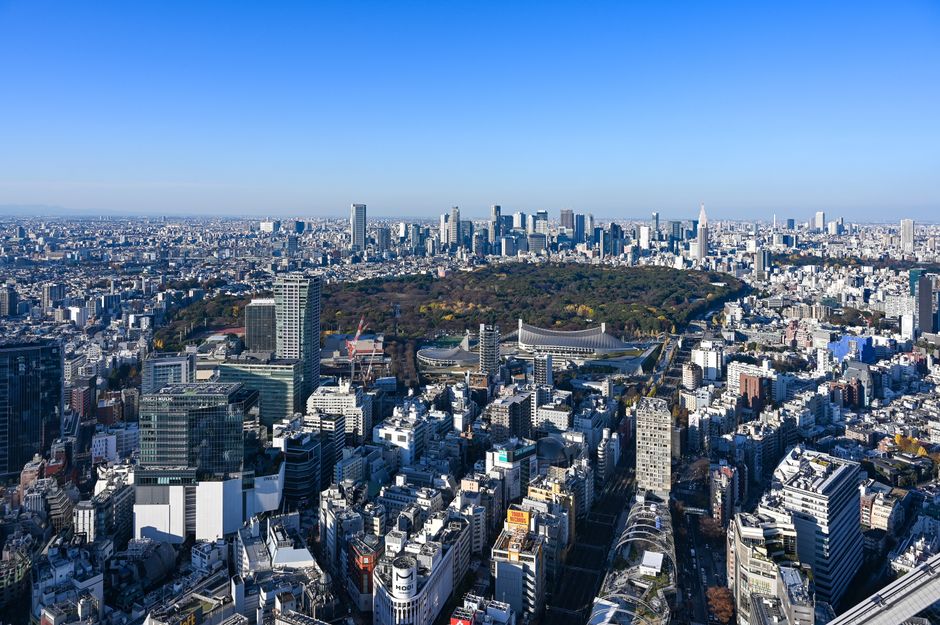
On any given weekend, Yoyogi Park thrums with a particular energy that tells you everything about contemporary Tokyo neighbourhoods. Walk north from Harajuku Station, and you'll find yourself amid clusters of communities—young creatives, multi-generational families, fitness enthusiasts—each staking their own claim on the 54-hectare expanse. It's not just green space; it's a living barometer of neighbourhood life.
The park's southern entrance near Meiji-dori draws a younger demographic, particularly around weekends when the Takeshita-dori crowd spills over seeking respite. But venture deeper, toward the Yoyogi National Gymnasium area, and the character shifts entirely. Here, older residents claim benches for morning tai chi sessions, while children navigate playgrounds that have served generations. The park's 2023 renovation brought updated facilities and improved accessibility, reflecting broader demographic changes in surrounding Shibuya-ku as families increasingly relocate to more spacious neighbourhoods.
Shinjuku Gyoen, meanwhile, operates as Tokyo's most refined neighbourhood gathering point. Its 58.3 hectares function less as an urban escape and more as a curated extension of surrounding Shinjuku's contradictions—where corporate towers fade into formal Japanese gardens, and the ¥500 entrance fee creates a natural boundary between casual passers-by and intentional visitors. The regulars here—weekend sketchers, retired couples, office workers on extended lunch breaks—form an invisible community bound by ritual rather than proximity.
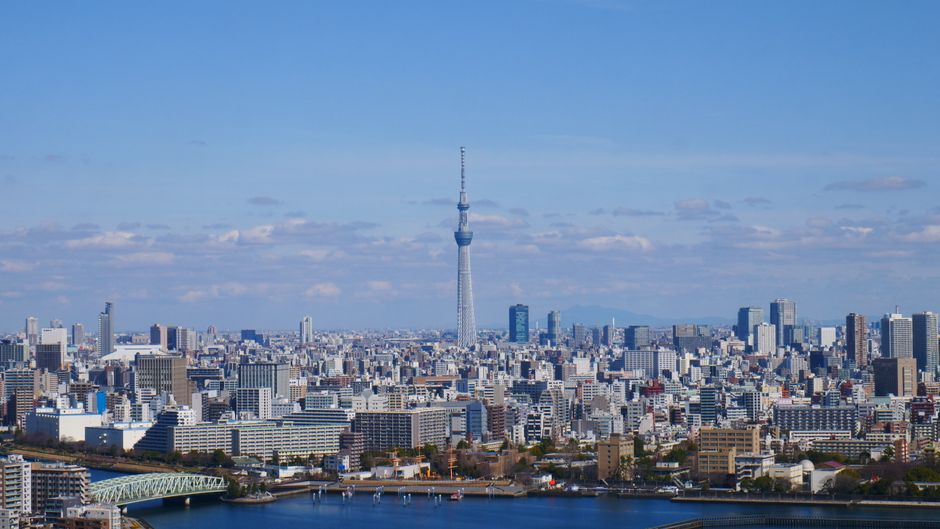
What's striking is how these spaces reflect neighbourhood transformation. Minato-ku's Roppongi Hills parks cater to affluent expat and tech communities, featuring premium amenities and higher-end cafés. Conversely, Asakusa's modest riverside spaces host a grittier, more traditional Tokyo—elderly residents, multigenerational gatherings, fewer Instagram moments, more genuine neighbourhood anchoring.
Data from Tokyo Metropolitan Government shows park usage has increased 23% since 2021, with particular growth in evening and early-morning hours as residents adopt healthier lifestyle patterns. The shift reflects broader cultural recalibration: green spaces are no longer leisure afterthoughts but essential neighbourhood infrastructure.
What emerges across Tokyo's parks is clear: neighbourhoods don't develop identity solely through architecture or commerce. They crystallise in these unstructured moments—where joggers nod at regulars, where children's laughter echoes familiar ground, where communities recognise themselves reflected in shared space. In Tokyo's relentless forward motion, parks remain the city's pause button, revealing authentic neighbourhood character beneath the surface shine.
This article was compiled by AI from the sources linked above and screened before publishing. See our editorial standards.