Tokyo's Bar Scene Is Getting a Second Wind—Here's Why Locals Can't Get Enough
After years of cautious recovery, the capital's nightlife districts are buzzing again with innovative venues, affordable pricing, and a renewed sense of community.
After years of cautious recovery, the capital's nightlife districts are buzzing again with innovative venues, affordable pricing, and a renewed sense of community.
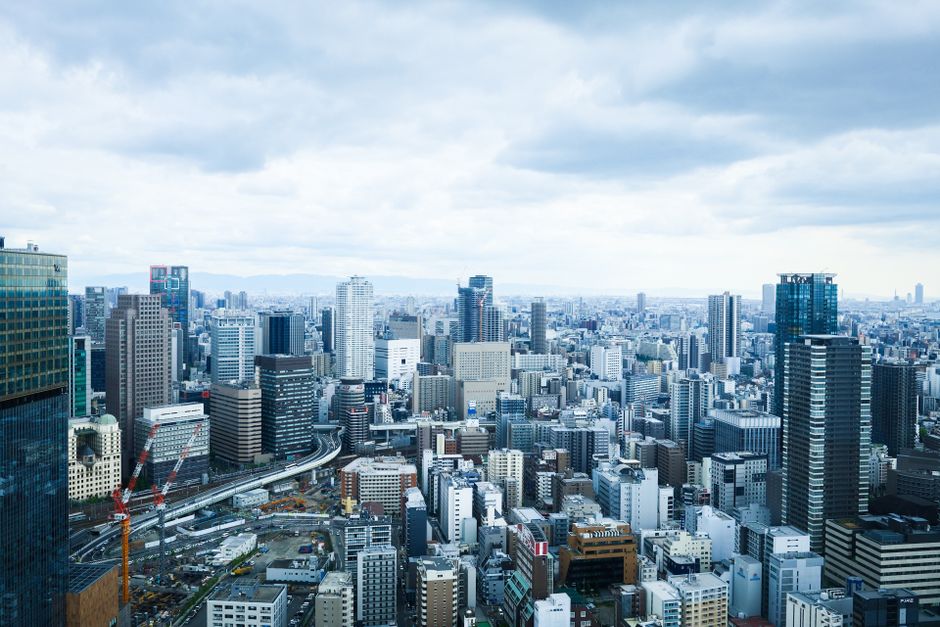
Walk through Shibuya or Shinjuku on a Friday night in 2026, and you'll notice something unmistakable: Tokyo's bar scene has undergone a quiet renaissance. The energy feels different from even two years ago—less about performing for tourists, more about genuine connection among locals who've developed a newfound appetite for nights out.
The shift began subtly. Following several years of cautious reopenings and operational constraints, venues in districts like Roppongi and Harajuku have adapted their business models in ways that resonate with residents. Many smaller izakayas and cocktail bars have reduced table minimums from the pre-2020 standard of ¥8,000-12,000 per person to more accessible ¥4,000-6,000 entry points. This democratisation has been crucial. According to hospitality data from the Tokyo Metropolitan Government, foot traffic in nightlife districts increased 34% year-over-year through mid-2026.
What's driving locals back? Partly, it's the emergence of hybrid spaces that blur traditional boundaries. Venues in the lantern-lit backstreets of Yurakucho now combine standing bars with intimate seated areas, catering to both quick after-work drinks and lingering conversations. The craft cocktail movement, once concentrated in upscale Ginza establishments, has migrated to accessible neighbourhoods like Shimokitazawa and Koenji, where experimental bars operate at lower overhead costs.
There's also a deliberate move away from high-pressure nightlife culture. Staff retention improved significantly when venues began offering reasonable shift patterns and fair wages—a marked change from the industry norm. This stability translates into better service and regulars who develop genuine relationships with bartenders and owners.
Social dynamics have shifted too. Group dynamics favour smaller, more intentional gatherings over the large nomikai drinking parties that once dominated. Apps connecting people with shared interests—from craft beer enthusiasts to live music fans—have created micro-communities within Tokyo's sprawling nightlife landscape. Venues in Nakano and Ikebukuro have capitalised on this by hosting themed nights with 80-150 attendees rather than targeting anonymous crowds.
Perhaps most significantly, there's a palpable sense that locals are reclaiming these spaces from transient tourism. While visitors remain welcome, the energy now centres on Tokyoites building sustainable social lives. Neighbourhood bars have become anchors for community, not just pit stops for intoxication.
For those rediscovering Tokyo's nocturnal pleasures, the current moment feels genuinely different—more thoughtful, more affordable, and decisively more local.
This article was compiled by AI from the sources linked above and screened before publishing. See our editorial standards.
How does this story make you feel?
Spread the word
About this article
Published by The Daily Tokyo
Daily brief
Free, in your inbox before 7am. Weekdays.
More in lifestyle