Tokyo's Best Weekend Escapes: A Complete Cost and Access Guide Before You Go
From mountain hikes to coastal getaways, here's what you actually need to budget and plan for Tokyo's most popular day trips.
From mountain hikes to coastal getaways, here's what you actually need to budget and plan for Tokyo's most popular day trips.
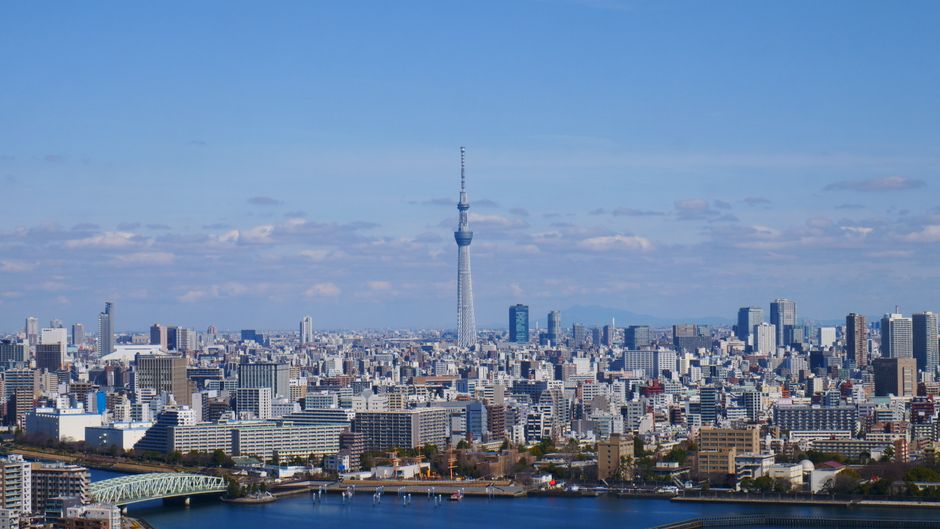
Tokyo residents don't need to venture far to escape the urban sprawl. But before booking that weekend adventure, understanding costs, accessibility and logistics will save both time and money. We've mapped out Tokyo's essential day-trip destinations with everything you need to know upfront.
Nikko's Mountain Temples: Budget ¥8,000–12,000
Nikko, roughly 140km north, remains Tokyo's most visited mountain retreat. The Tobu Railway express from Asakusa Station (¥2,700 return) deposits you in two hours. The UNESCO-listed Toshogu Shrine and Rinnoji Temple charge modest entry fees (¥1,300 combined), but hiking the Chuzenji Lake loop—the real draw—is free. Accessibility: paved paths around temples are excellent; mountain trails vary considerably. Pack sturdy footwear and budget ¥3,000–5,000 for lunch near the lake. The site gets crushingly busy on weekends; arrive by 8am or visit midweek.
Kamakura's Beaches and Temples: Budget ¥4,000–7,000
Just 60km south, Kamakura offers coastal charm with spiritual gravitas. JR Yokosuka Line from Tokyo Station (¥920 return) takes 55 minutes. Entry fees are minimal—the Great Buddha costs ¥600, temples ¥300 each. The real cost here is food and time. Yuigahama and Shichigahama beaches are free but crowded mid-June through August. Komachi-dori street in central Kamakura is packed with ramen shops, cafes and souvenir stands; budget ¥2,000–3,000 for meals. Accessibility is generally good, though some temple stairs challenge mobility. Parking costs ¥1,000–1,500 if driving.
Mount Takao: Budget ¥1,500–3,000
Tokyo's most affordable escape sits just 50km west. The Keio Line from Shinjuku (¥900 return) reaches Takaosanguchi Station in 50 minutes. Mount Takao's cable car (¥1,150 return) makes the 599-meter peak accessible for all fitness levels; the hiking trail is free. This is Tokyo's busiest mountain—expect 15,000 weekend visitors. Restaurants near the summit charge tourist prices; bring your own lunch. Accessibility: the cable car accommodates wheelchairs; hiking trails are steep but well-maintained.
Izu Peninsula Hot Springs: Budget ¥12,000–18,000
For overnight escapes, Izu offers coastal onsen towns like Atami (90 minutes by train, ¥2,900). Day-trip visits to public bathhouses cost ¥1,000–2,000; ryokan meals run ¥5,000–8,000 per person. Train access is straightforward; driving requires navigating winding mountain roads.
Pro Tips
Purchase a Suica or Pasmo card for seamless train transfers. Most destinations are most enjoyable on weekdays. Check railway apps (Hyperdia, Google Maps) for real-time scheduling. Summer heat and weekend crowds peak; spring and autumn offer ideal conditions with comfortable temperatures and fewer visitors.
This article was compiled by AI from the sources linked above and screened before publishing. See our editorial standards.
How does this story make you feel?
Spread the word
About this article
Published by The Daily Tokyo
Daily brief
Free, in your inbox before 7am. Weekdays.
More in lifestyle