Shimokitazawa's Secret: Inside the neighbourhood that refuses to lose its soul
As Tokyo's vintage-loving residents flock to this bohemian enclave, local community groups fight to preserve the character that makes it unmissable.
As Tokyo's vintage-loving residents flock to this bohemian enclave, local community groups fight to preserve the character that makes it unmissable.
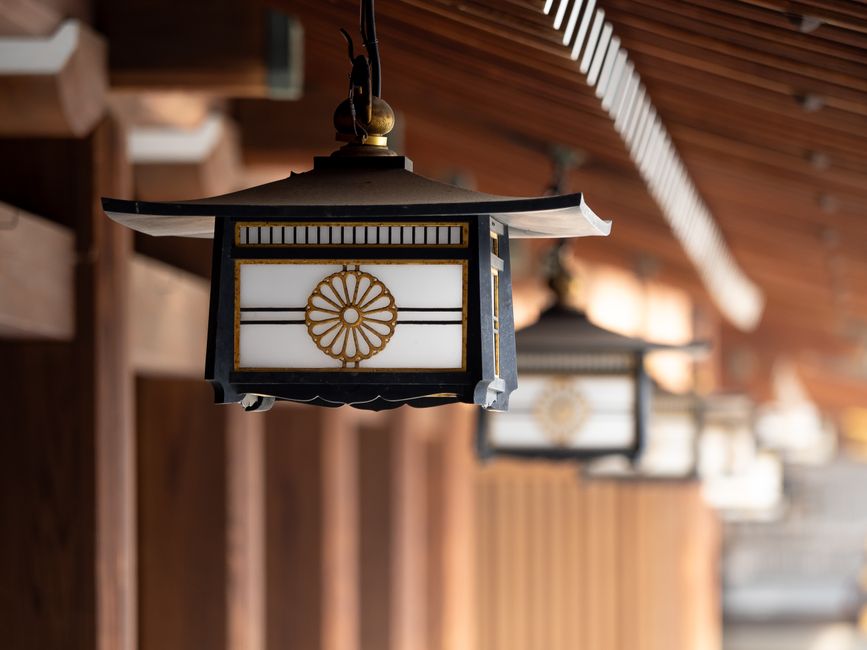
Walk down Odoriki-dori on a Saturday evening and you'll understand why Shimokitazawa has become Tokyo's most fiercely protected neighbourhood. Izakayas spill onto narrow cobblestone alleys, their lanterns casting amber light on vintage clothing stores wedged between 60-year-old wooden theatres. This is a neighbourhood that has resisted Tokyo's relentless modernisation—and its residents are determined to keep it that way.
The area, nestled between Shibuya and Setagaya wards, has experienced seismic shifts since major redevelopment projects in the early 2020s threatened its fabric. Today, roughly 45,000 residents call Shimokitazawa home, according to local ward office data. What defines them is a fierce commitment to community. The Shimokitazawa Preservation Association, established in 2018, now boasts over 2,000 active members who coordinate everything from street cleanups to cultural programming.
"The neighbourhood character here is about intergenerational exchange," explains the vibe on Kitazawa-dori, where salarymen in their 60s chat with 20-something creatives outside standing bars charging ¥500 per drink. Independent bookshops like Bonus Track and vintage record stores cluster around Suzuran-dori, creating a gravitational pull for Tokyo's creative class. Monthly rents for a modest one-bedroom run ¥85,000–¥120,000—steep by national standards, but 20–30% cheaper than adjacent Shibuya neighbourhoods.
Community spaces anchor the social fabric. The Shimokitazawa Public Hall hosts weekly classes in everything from traditional dance to urban gardening. The neighbourhood's 12 small theatres—holdovers from its 1960s heyday as Tokyo's bohemian theatre district—regularly feature experimental productions by local troupes. Meanwhile, the Setagaya City Library's Shimokitazawa branch has become an unofficial social hub for residents of all ages.
Recent tensions surfaced when a major convenience store chain proposed opening on Kitazawa-dori in 2024. The community association successfully lobbied the ward office, and the proposal was shelved in favour of a locally-run grocery cooperative. It's this kind of grassroots resistance that keeps chains at bay and independent shopkeepers thriving.
What makes Shimokitazawa genuinely distinctive isn't nostalgia—it's active community stewardship. Residents here don't simply inhabit a neighbourhood; they actively shape it. That commitment to collective identity, in a city of 14 million, feels increasingly rare and genuinely worth experiencing.
This article was compiled by AI from the sources linked above and screened before publishing. See our editorial standards.
How does this story make you feel?
Spread the word
About this article
Published by The Daily Tokyo
Daily brief
Free, in your inbox before 7am. Weekdays.
More in lifestyle


