Where Tokyo's Soul Lives: Inside the Tight-Knit Communities Shaping City Neighbourhoods
From Shimokitazawa's bohemian energy to Yanaka's old-town charm, Tokyo's most vibrant districts thrive on the strength of their local bonds.
From Shimokitazawa's bohemian energy to Yanaka's old-town charm, Tokyo's most vibrant districts thrive on the strength of their local bonds.
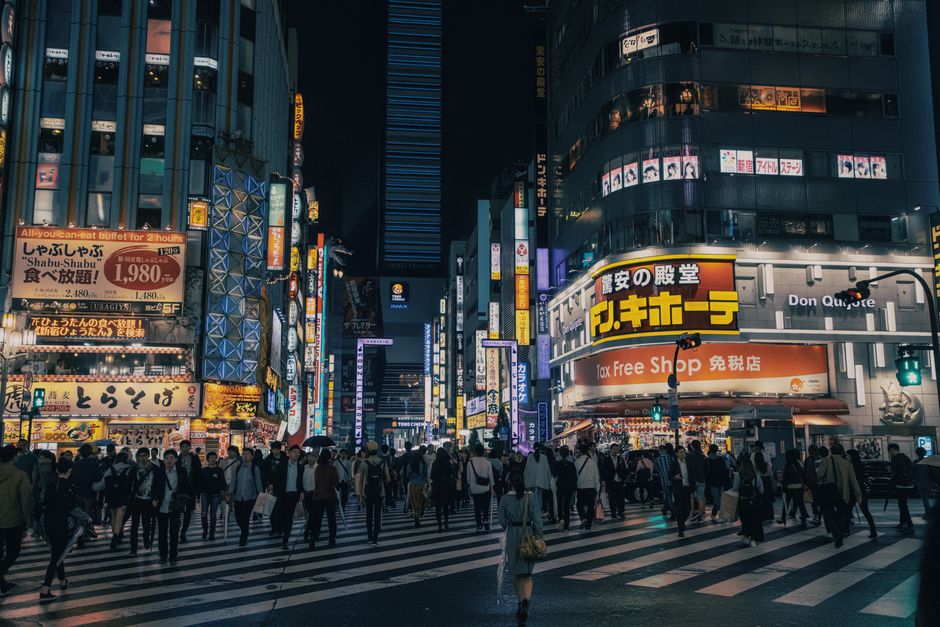
Tokyo's reputation as a faceless megacity of 14 million persists in travel guides and tourism boards, yet anyone who has spent time in the city's most cherished neighbourhoods knows the opposite rings true. Step away from the neon corridors of Shibuya and Shinjuku, and you'll discover communities where residents have built genuine social infrastructure—the kind that transforms a collection of streets into something resembling home.
Shimokitazawa, nestled in Setagaya ward, exemplifies this neighbourhood spirit. Once threatened by redevelopment in the early 2000s, local residents fought to preserve the district's character. Today, the narrow lanes off Shimokita-dori buzz with independent theatres, vintage shops, and izakayas that operate more as gathering spaces than commercial transactions. The Shimokitazawa Theatre Festival, held annually, draws thousands but remains fundamentally community-driven—many performers are neighbours who've known each other for decades.
Meanwhile, Yanaka in Taito ward represents Tokyo's living heritage. With over 80 traditional wooden townhouses still standing and a network of local merchants associations dating back generations, the neighbourhood maintains a population density that encourages chance encounters. The Yanaka Ginza shopping street, a covered arcade spanning 170 metres, functions as the community's social backbone. Shop owners—many family businesses—know regular customers by name and offer recommendations based on personal relationships rather than sales targets.
These neighbourhoods share common threads. Affordable housing remains crucial; average rents in Shimokitazawa hover around ¥65,000 ($430) for modest apartments, while Yanaka averages ¥58,000 ($385). Local NPOs and residents' associations actively organise seasonal festivals, volunteer cleanups, and skill-sharing workshops. Shimokitazawa's community centre hosts free language exchange nights; Yanaka's residents' groups coordinate support networks for elderly residents.
What distinguishes these communities from transient expatriate bubbles or corporate dormitory zones is intentionality. These neighbourhoods have consciously resisted homogenisation. Independent bookstores like Yanaka's Yanaka Shippai and Shimokitazawa's Setagaya Literature Museum branch operate as cultural anchors. Local cafés serve as unofficial neighbourhood councils where long-term residents mentor newcomers on unwritten social codes.
As Tokyo continues evolving, these pockets of genuine community remain its most precious asset. They prove that even in the world's largest metropolitan area, neighbourhood character and human connection aren't nostalgic fantasies—they're actively maintained, defended, and reimagined by residents who understand that cities ultimately exist not for buildings, but for people.
This article was compiled by AI from the sources linked above and screened before publishing. See our editorial standards.
How does this story make you feel?
Spread the word
About this article
Published by The Daily Tokyo
Daily brief
Free, in your inbox before 7am. Weekdays.
More in lifestyle