Moving to Tokyo: The True Cost, Access Routes, and Everything You Need to Know Before You Go
From visa requirements to rental deposits that shock newcomers, here's the practical breakdown of relocating to Japan's capital in 2026.
From visa requirements to rental deposits that shock newcomers, here's the practical breakdown of relocating to Japan's capital in 2026.
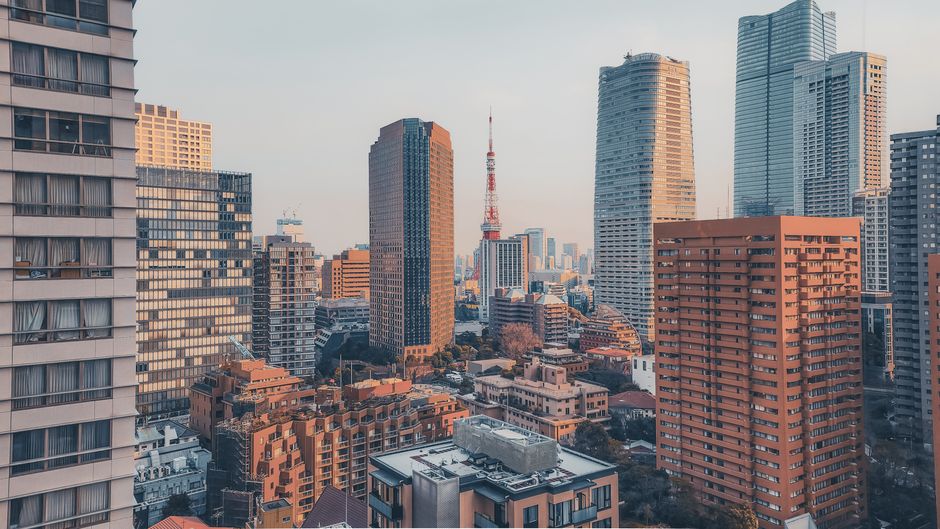
Tokyo remains one of Asia's most coveted expat destinations, but the reality of relocation demands careful financial and logistical planning. Understanding upfront costs, visa pathways, and neighbourhood accessibility can mean the difference between a seamless transition and costly surprises.
The Financial Reality
A single expat should budget ¥200,000–¥250,000 monthly (approximately $1,350–$1,700 USD) for comfortable living outside central wards. Studio apartments in accessible areas like Shinjuku or Shibuya command ¥80,000–¥120,000 monthly, while up-and-coming neighbourhoods such as Kichijoji or Nakano offer better value at ¥60,000–¥80,000. However, expect additional costs: most landlords require a deposit (shikikin) and advance payment (reikin)—typically two months' rent each, non-refundable in the case of reikin. Real estate agent fees add another month's rent to initial expenses.
Visa Categories and Employment
The most straightforward pathway remains the work visa, typically sponsored by employers. Japan's points-based visa system, introduced in 2023, offers faster processing for skilled professionals in tech, healthcare, and education sectors. Digital nomad visas remain limited; most independent workers navigate tourist visas or require employer sponsorship. Processing times average 4–6 weeks through immigration offices near Narita or Haneda airports.
Essential Services and Accessibility
Tokyo's public transport network—managed by Tokyo Metro and JR East—is exemplary. A prepaid Suica card costs ¥2,000 (¥1,500 usable credit) and integrates across train, bus, and convenience stores. Monthly unlimited passes run ¥1,000. Internet installation averages ¥3,000–¥5,000 with monthly fees around ¥4,000–¥6,000. Opening a bank account requires a residence card, processed through municipal offices (ward offices/ku yakusho) within 14 days of arrival.
Neighbourhood Navigation
First-time expats gravitate toward English-friendly zones: Roppongi and Azabu-Juban cater to international communities but command premium pricing. Practical alternatives include Ikebukuro, where the International Community Center (ICC) offers multilingual support and housing assistance, or Shimokitazawa, favoured by younger expats seeking cultural immersion at lower costs.
Healthcare and Insurance
National health insurance (kokumin kenko hoken) costs ¥6,000–¥10,000 monthly and covers 70% of medical expenses. Many employers provide group plans; private expat insurance runs ¥8,000–¥15,000 monthly for comprehensive coverage.
Success in Tokyo hinges on advance research, realistic budgeting, and leveraging expat networks. The investment—financial and temporal—typically yields rich professional and cultural returns within 12 months.
This article was compiled by AI from the sources linked above and screened before publishing. See our editorial standards.
How does this story make you feel?
Spread the word
About this article
Published by The Daily Tokyo
Daily brief
Free, in your inbox before 7am. Weekdays.
More in lifestyle