From Concrete to Community: How Tokyo's Pocket Parks Are Reshaping Urban Life
A new generation of micro-green spaces across central wards is transforming how residents interact with nature—and each other—in Japan's densest neighborhoods.
A new generation of micro-green spaces across central wards is transforming how residents interact with nature—and each other—in Japan's densest neighborhoods.
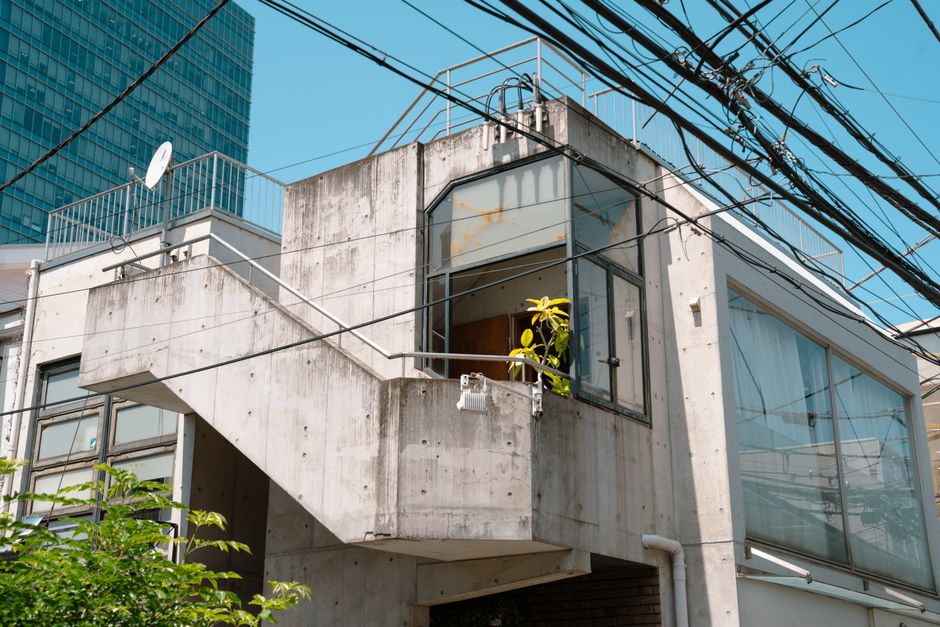
Walk through Chiyoda ward on a weekday afternoon and you'll notice something quietly revolutionary: parks are getting smaller, but busier. The sprawling green spaces that defined Tokyo's recreational culture for decades are giving way to ingenious pocket parks—tiny urban gardens squeezed into unlikely spaces between office towers, above train stations, and along forgotten alleyways.
The shift accelerated after the 2020 pandemic, when Tokyo's parks became so crowded that access had to be managed. City planners recognized a critical problem: Tokyo's public green space averaged just 9 square meters per capita, less than half the target set by Japanese urban design standards. Rather than waiting for large-scale development, the city began encouraging property owners and businesses to activate small parcels.
The results have been striking. In Marunouchi, a pedestrian bridge connecting the Oazo and Shin-Marunouchi buildings now hosts a 300-square-meter garden featuring native wisteria and seasonal flowers, drawing an estimated 15,000 visitors monthly. Similarly, the reopened Kojimachi Park—renovated in 2024—abandoned its traditional layout entirely, replacing manicured lawns with naturalized woodland areas and permeable surfaces designed to manage Tokyo's increasing rainfall.
Minato ward took this further. The Roppongi Hills initiative introduced rooftop gardens across seven buildings, creating what locals now call the "vertical green network." Residents can move between connected spaces without touching street level, a radical reimagining of how urban dwellers access nature.
The economics matter too. Property values near these pocket parks have appreciated 7-12% over three years, according to a 2025 Real Estate Institute of Japan survey. Companies report that employees working near green spaces show measurably higher engagement levels, making developers more willing to invest in these spaces.
But not everyone celebrates the trend. Environmental groups worry that smaller, managed gardens lack the ecological diversity of larger parks. The loss of accessible free space in expensive central wards—where pocket parks often anchor premium residential or commercial developments—raises questions about who benefits. A coffee near one Ginza pocket park charges ¥2,400 for a simple latte, a price point that effectively gates the surrounding area.
Still, the movement reflects how Tokyo adapts: pragmatic, incremental, and intensely aware of constraints. By June 2026, the city had approved 47 new pocket parks, with another 23 in planning stages. They may not replace the expansive parks of earlier eras, but they're reshaping what "access to nature" means for 13 million people in the world's most expensive real estate market.
This article was compiled by AI from the sources linked above and screened before publishing. See our editorial standards.
How does this story make you feel?
Spread the word
About this article
Published by The Daily Tokyo
Daily brief
Free, in your inbox before 7am. Weekdays.
More in lifestyle


