Tokyo's Hidden Retail Gems: What Locals Actually Buy, Not What Guidebooks Tell You
Skip the tourist traps—here's where Tokyo residents find real value, quality and discovery in everyday shopping.
Skip the tourist traps—here's where Tokyo residents find real value, quality and discovery in everyday shopping.
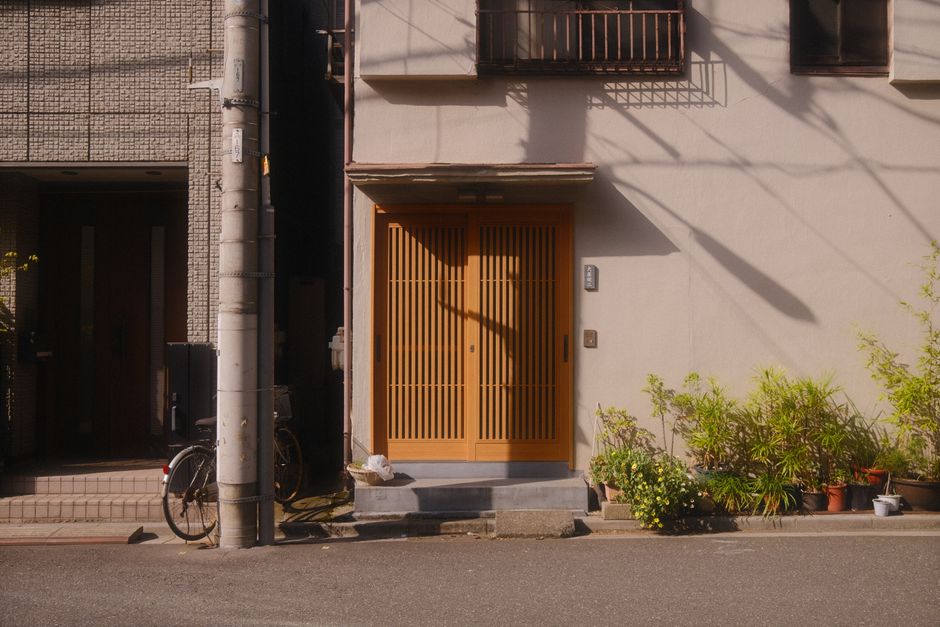
Walk into any Tokyo convenience store and you'll notice something tourists miss: locals have a system. They know which 100-yen shops stock premium stationery, which supermarket chains mark down prepared foods at 7 p.m., and which neighbourhood markets haven't been homogenised by chain expansion. After speaking with residents across Shibuya, Setagaya and Chiyoda wards, a clearer picture emerges of how Tokyo's everyday shoppers actually navigate retail in 2026.
Tsukiji Outer Market remains essential, though fewer tourists know this anymore. While the relocated inner market caters to professionals, the outer market's 90-odd vendors still attract neighbourhood regulars seeking seasonal vegetables at ¥200–400 per item—roughly 30 per cent cheaper than supermarket chains. Regulars arrive before 9 a.m., when selection peaks. One consistent tip: build relationships with vendors. A five-minute conversation can result in better pricing and reserved stock.
For everyday household goods, Tokyo residents largely abandon department stores. Instead, Don Quijote's chaotic multi-floor format—particularly the Shibuya and Ikebukuro branches—offers genuine value through volume purchasing and seasonal bargains. Prices typically undercut mainstream retailers by 15–20 per cent, though stock rotation is unpredictable. The trade-off: patience and browsing time.
Neighbourhood shotengai (shopping streets) are experiencing quiet resurgence among younger Tokyoites seeking alternatives to soulless malls. Yanaka's preserved shopping street near Ueno and Shimokitazawa's rambling vintage quarter attract residents hunting vintage clothing, used books and antique kitchenware. Prices range widely, but the genuine appeal lies in discovering items unavailable elsewhere rather than extracting bargains.
For daily essentials, locals strategically rotate between supermarket chains: Aeon, Ito-Yokado and Maruetsu each offer rotating discount periods and loyalty-card incentives worth approximately ¥1,500–3,000 monthly savings for regular shoppers. Timing purchases around these promotions—typically mid-week and month-end—matters more than store loyalty.
Perhaps surprisingly, Tokyo's ubiquitous 100-yen chains (Daiso, Can-Do, Seria) draw far more regular patronage than their novelty status suggests. Residents use them for storage solutions, seasonal items and surprisingly durable kitchen tools. Quality varies, but seasoned shoppers know which product categories justify the ¥100 investment.
The honest insight emerging from local conversations: Tokyo shopping rewards preparation and routine over spontaneity. Successful residents maintain mental maps of neighbourhood options, timing patterns and seasonal availability. It's less about finding hidden treasure and more about systematic navigation of an overwhelmingly dense retail landscape.
This article was compiled by AI from the sources linked above and screened before publishing. See our editorial standards.
How does this story make you feel?
Spread the word
About this article
Published by The Daily Tokyo
Daily brief
Free, in your inbox before 7am. Weekdays.
More in lifestyle


