Shimokitazawa's Expat Scene Is Being Remade by Young Remote Workers
Once a bohemian theatre district, Tokyo's coolest neighbourhood is experiencing a seismic shift as international digital nomads reshape its cafés, housing market, and social fabric.
Once a bohemian theatre district, Tokyo's coolest neighbourhood is experiencing a seismic shift as international digital nomads reshape its cafés, housing market, and social fabric.
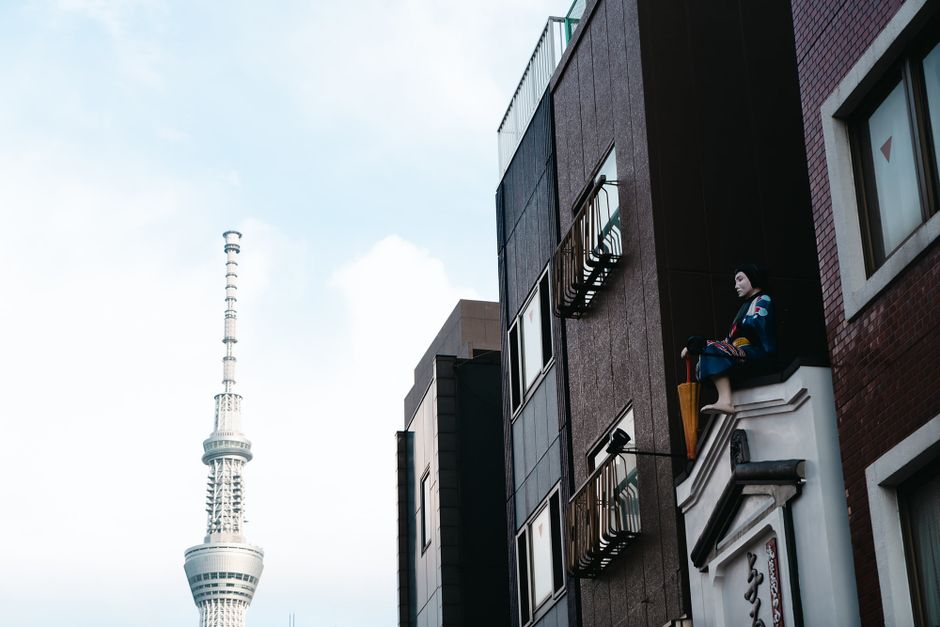
Shimokitazawa has always been Tokyo's place for reinvention. The neighbourhood, nestled between Shibuya and Setagaya wards, survived the 1960s student movement, the bubble economy, and decades of theatre-driven gentrification. Today, it faces perhaps its most dramatic transformation yet: the arrival of thousands of expat remote workers who are fundamentally reshaping how the district functions.
The numbers tell the story. According to Tokyo Metropolitan Government data, expat registrations in Setagaya ward—which includes Shimokitazawa—jumped 34 percent between 2023 and 2026, with the majority clustering in this specific neighbourhood. Studios and one-bedroom apartments that rented for ¥65,000–75,000 monthly in 2022 now command ¥95,000–120,000. Meanwhile, short-term rental platforms have exploded, with nearly 300 properties now listed on major platforms, up from roughly 50 three years ago.
The streetscape has shifted accordingly. Along Omotesando-dori and the warren of side streets radiating from Shimokitazawa Station, traditional ramen shops and vintage clothing boutiques now share block space with co-working hubs, English-language wellness studios, and cafés sporting wifi-first designs. Several establishments—including the recently opened Common Grounds on Hatagaya Street—explicitly market themselves to remote workers, offering unlimited coffee and 100Mbps connections. Rent for a desk in a shared workspace runs ¥12,000–18,000 monthly, undercutting central Shinjuku by roughly 40 percent.
The cultural friction is palpable. Long-time residents and theatre practitioners express concern that rising property taxes and changing consumer preferences are eroding Shimokitazawa's artistic identity. The neighbourhood's famous Theaterx, a converted warehouse venue, recently announced reduced programming due to noise complaints from new residents—a reversal of the district's decades-old tolerance for experimental performance.
Yet newcomers are integrating faster than expected. International volunteer organisations like the Tokyo Expat Network have established satellite hubs here, while Japanese-language schools report waiting lists of 600-plus. Several established izakayas have hired English-speaking staff, and community bulletin boards now advertise Japanese conversation exchanges with explicit inclusion of remote workers.
Housing brokers estimate the trajectory will continue: expect rents to rise another 15–20 percent by 2028 as larger tech companies establish Tokyo satellite offices. For expats arriving this summer, Shimokitazawa remains affordable relative to Roppongi or Minato-ku—but the window is closing. The neighbourhood that reinvented itself repeatedly is being remade once more, this time by those seeking affordable Tokyo life with global connectivity. Whether that balance holds depends on the next two years.
This article was compiled by AI from the sources linked above and screened before publishing. See our editorial standards.
How does this story make you feel?
Spread the word
About this article
Published by The Daily Tokyo
Daily brief
Free, in your inbox before 7am. Weekdays.
More in lifestyle


