Why Tokyo's Bar Scene Stands Apart: A City Where Intimacy Beats Scale
From master craftsmen in shoebox-sized counters to algorithmic drink matching, Tokyo has reimagined nightlife around connection rather than spectacle.
From master craftsmen in shoebox-sized counters to algorithmic drink matching, Tokyo has reimagined nightlife around connection rather than spectacle.
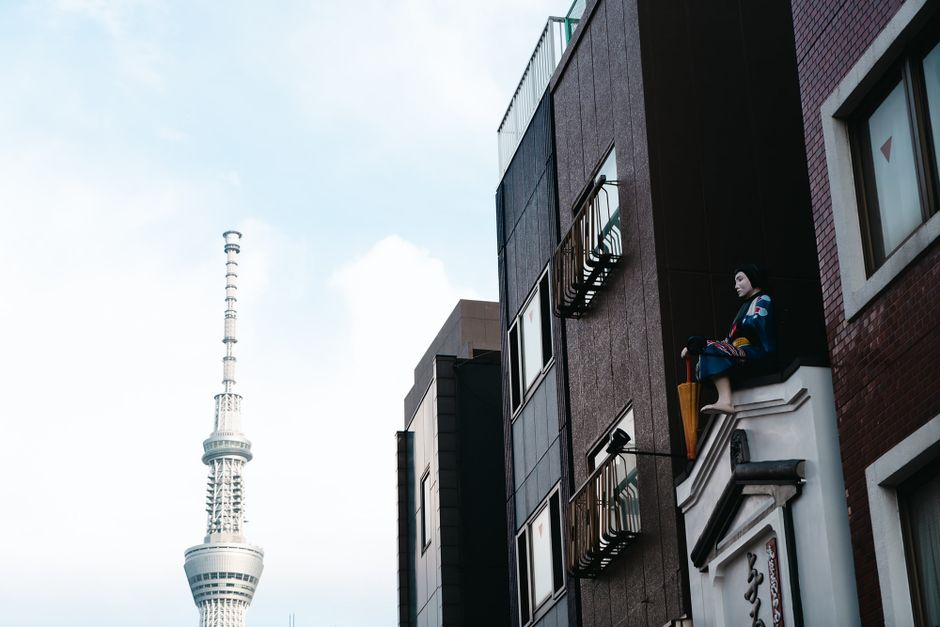
Walk into a cocktail bar in New York or London, and you'll find yourself in a sprawling temple of mixology—Instagram-ready, reservation-required, expensive. Walk into one in Tokyo's Golden Gai alleyway in Shinjuku, and you might find yourself in a six-seat counter where the bartender has been perfecting a single spirit for thirty years.
This fundamental difference—intimacy over scale—defines Tokyo's nightlife landscape and explains why the city's bar culture has become the blueprint for a global conversation about what makes a drinking establishment genuinely memorable. While other major cities chase novelty and size, Tokyo has doubled down on craft, community, and the human element.
The numbers tell part of the story. Tokyo's nightlife district, spanning Shibuya, Shinjuku, and Roppongi, generates roughly ¥2 trillion annually—but it's distributed across thousands of small, independent venues rather than mega-clubs. Golden Gai alone contains over 200 bars, most with capacities under ten people. This fragmentation isn't a limitation; it's the entire philosophy.
What sets Tokyo apart is the deliberate rejection of the Western nightlife template. There are no velvet ropes here, no celebrity DJs commanding six-figure fees, no table service minimums that price out ordinary workers. Instead, you'll find salary men sitting alongside foreign visitors in izakayas across Yurakucho, or craft beer enthusiasts debating fermentation techniques in standing bars throughout Harajuku. The social contract is different—you're joining a community, not consuming a product.
The technical sophistication adds another layer. While other cities rely on reputation and word-of-mouth, Tokyo's bar scene has quietly embraced data without sacrificing character. Apps now map bars by spirit preference, climate-controlled aging systems preserve rare bottles, and bartenders track customer preferences with the precision of sommeliers. Yet this exists alongside deeply analog experiences—handwritten menus, bartenders who remember your name after one visit, conversations that meander for hours.
Prices reflect this accessibility. A world-class cocktail in Tokyo averages ¥1,500-2,500, compared to $18-25 in comparable global cities. A night out remains achievable for Tokyo's working population, not just tourist budgets.
Perhaps most distinctively, Tokyo's nightlife serves a social function that Western equivalents have largely abandoned. Bars aren't primarily venues for getting intoxicated; they're extensions of the workplace, relationship-building spaces, and refuges for introverts who find connection easier across a counter than on a dance floor. This cultural dimension—treating the bar as a social infrastructure rather than entertainment commodity—represents Tokyo's most significant export to global nightlife culture.
The city's bar scene doesn't compete on spectacle. It competes on depth.
This article was compiled by AI from the sources linked above and screened before publishing. See our editorial standards.
How does this story make you feel?
Spread the word
About this article
Published by The Daily Tokyo
Daily brief
Free, in your inbox before 7am. Weekdays.
More in lifestyle


