lifestyle
Tokyo's Ramen Masters Reveal Neighborhood Secrets Behind Perfect Bowl
Beyond the broth, the city’s most iconic bowls are defined by the rhythm of the streets they call home.
Listen in English · 4 min
How we reported this
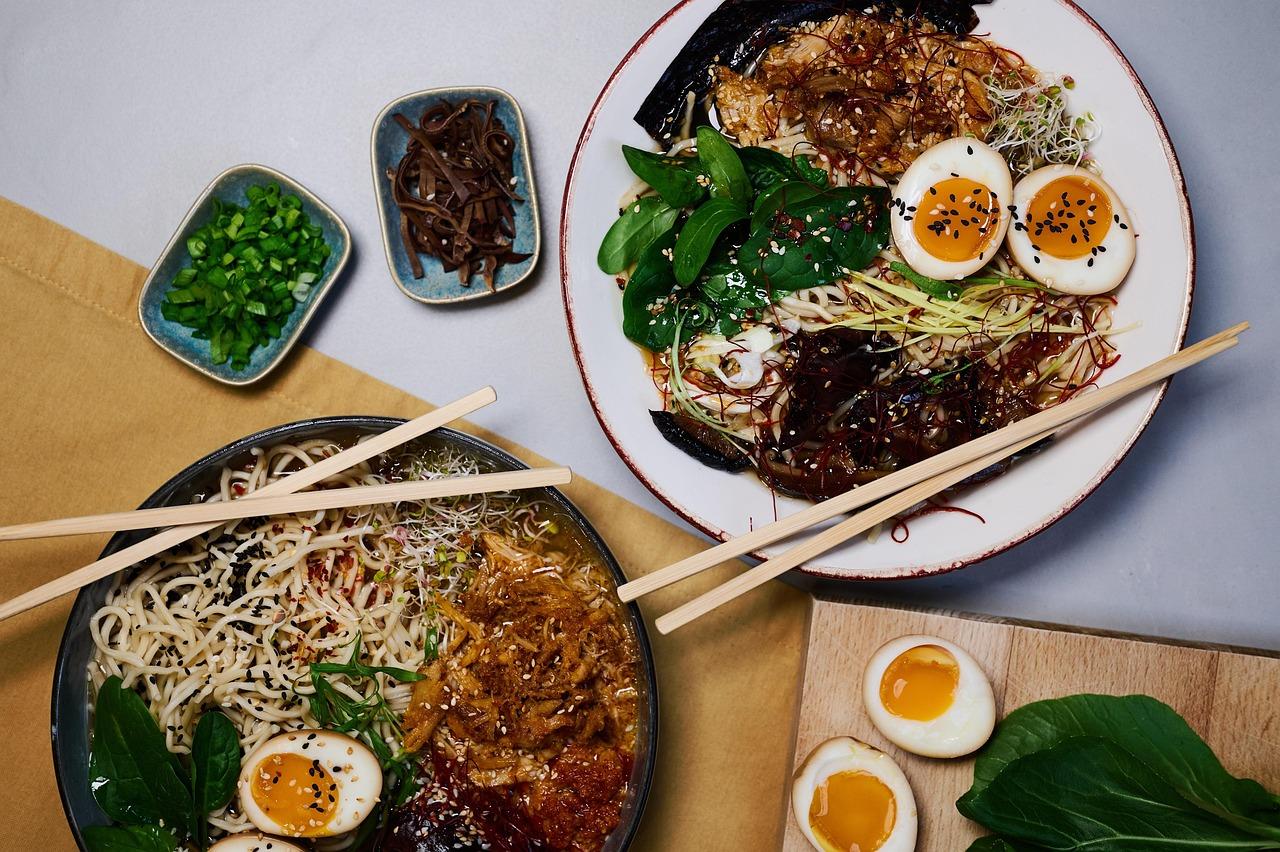
The ramen landscape in Tokyo is shifting. While international acclaim often centers on long lines in Shinjuku or Shibuya, the true heartbeat of the city’s noodle culture resides in the distinct social fabric of its smaller, localized hubs. From the quiet residential alleys of Setagaya to the bustling merchant corridors of Taito, these shops serve as living rooms for their neighbors, defining the character of the city block by block.
The Social Geometry of the Counter
In the neighborhood of Ogikubo, a location historically synonymous with soy-sauce-based Tokyo ramen, the atmosphere remains rooted in a post-war work ethic. At Harukiya, which has occupied its spot near the station since 1949, the community vibe is driven by the steady rotation of salarymen and local families. The interaction here is measured; the silence at the counter is not one of coldness but of mutual focus on the craft. This stands in sharp contrast to the high-energy, youth-oriented shops found near the Shimokitazawa station, where the ramen is often treated as a precursor to an evening of live music or vintage shopping.
The community dynamic extends to the urban planning surrounding these venues. In areas like Sugamo, often dubbed the "Harajuku for the elderly," the ramen shops serve as vital social touchpoints for the aging population. Venues here prioritize accessibility and a slower pace, ensuring that the local demographic can engage with their community over a steaming bowl without the pressure of a digital ticketing system. The architecture of the shop-often consisting of a tight, twelve-seat counter-enforces a proximity that turns strangers into temporary dining companions, bridging the gap between generations.
Economics of the Bowl
Data from the Tokyo Metropolitan Government’s 2025 consumer price index reports that the average cost of a standard bowl of ramen in the capital has hovered around 980 yen as of the second quarter of 2026. This figure reflects the rising costs of imported wheat and high-quality dashi ingredients, yet local shop owners continue to prioritize value to keep their neighborhood regulars returning three or four times a month. The resilience of the neighborhood ramen shop depends entirely on this high-frequency loyalty; once a shop loses its local base, it often fails to sustain itself against the volatility of the broader tourism market.
For those looking to experience this neighborhood immersion, the best approach is to move beyond the major train hubs. Spend a Saturday afternoon walking the length of Yanaka Ginza, where the scent of traditional shio ramen lingers in the humid summer air, or navigate the narrow streets of Koenji. When visiting, aim for the mid-afternoon lull between 2:00 p.m. and 4:00 p.m. to avoid the tourist peak, allowing you to observe the shopkeeper’s rapport with the local residents. Choosing a shop that displays a local newspaper or maintains a handwritten blackboard menu is a reliable indicator that you have stepped out of the transit-hub cycle and into the authentic, beating heart of a Tokyo ward.