lifestyle
Shibuya Summer Guide: New Crowd Controls, Costs, and Essential Tips
As the district introduces stricter crowd control measures ahead of the peak summer season, here is how to navigate the heart of Tokyo without breaking the bank or your nerves.
How we reported this
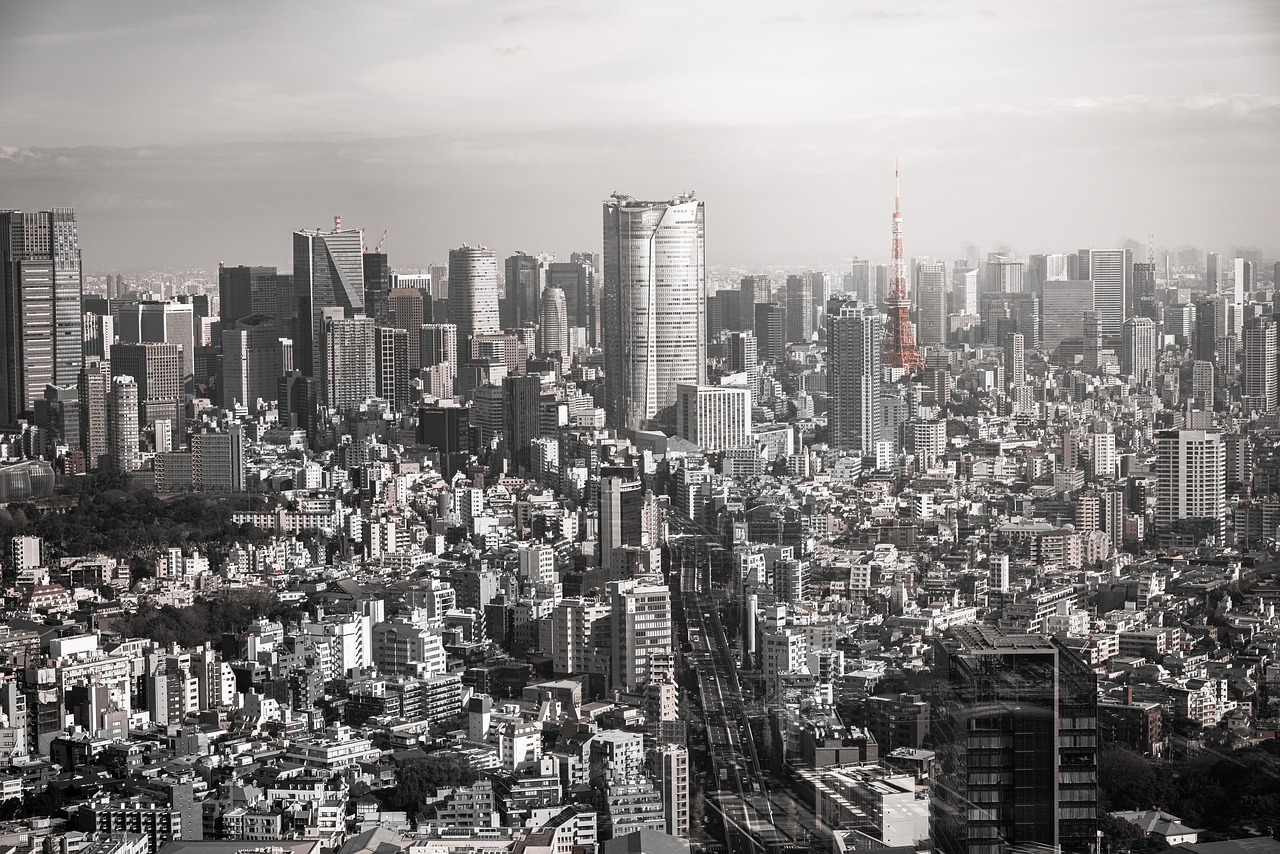
Shibuya is no longer just a destination for window shopping; it is now a carefully calibrated experience managed by the Shibuya City Office to handle record-breaking tourist volume. This July, the intersection outside the Hachiko Exit remains the most recognizable landmark in the capital, but visitors attempting to cross during peak hours are now frequently redirected by security staff enforcing the 'Safe Shibuya' pedestrian flow protocols.
The shift follows a 14% increase in non-resident foot traffic since the start of the 2026 fiscal year. With the yen hovering around 155 to the U.S. dollar, travelers are flocking to local retail hubs like Shibuya Scramble Square. However, the rise in demand has driven up premium entry fees for observation decks and private lounge access. For those planning a trip, understanding the logistical barriers is now as important as booking a flight.
Navigating the cost of the skyline
Viewing the city from above comes with a premium price tag this month. The Shibuya Sky observation deck, located atop the 47-story scramble building, has maintained a dynamic pricing model that spikes on weekends. Tickets booked on-site are limited and often sell out by 10:00 a.m. Purchasing online at least 14 days in advance via the official web portal remains the only reliable way to secure a spot for the standard 2,200 yen rate. Walk-ins are largely a thing of the past.
Dining options within the immediate vicinity of Shibuya Station also require strategic budgeting. A standard lunch set at a mid-tier restaurant in the Magnet by Shibuya 109 complex now averages between 1,800 and 2,500 yen, a noticeable climb from last year’s prices. For a more budget-friendly approach, locals are pivoting toward the smaller alleyways of Udagawa-cho, where independent ramen stalls still offer high-quality meals for under 1,200 yen. These establishments rarely accept credit cards, so carrying at least 10,000 yen in cash is essential for any day-trip.
Infrastructure and public transit updates
Transportation in and out of the district has undergone significant changes as JR East accelerates renovations to the Yamanote Line platforms. The newly expanded West Gate exit is designed to alleviate congestion, but it adds roughly five minutes of walking time to reach the nearby Shibuya Stream complex. Visitors should download the 'Tokyo Subway Navigation' app before arriving; it provides real-time alerts on platform crowding that the standard transit signage often misses.
For those aiming to avoid the crush of the evening rush, the best time to visit is currently weekday mornings before 9:00 a.m. The district's public safety campaign, backed by the Tokyo Metropolitan Police, has increased visibility near the Shibuya Crossing to discourage public drinking, which was officially prohibited in public spaces year-round as of April 2026. Do not expect to find convenience stores selling alcohol in the immediate vicinity of the station after 10:00 p.m. Plan your evening logistics accordingly, as taxi fares from Shibuya back to hotels in Shinjuku or Minato-ku can easily exceed 3,500 yen once the subway service ends at midnight.