lifestyle
Kiyosumi Gardens reveals Tokyo's hidden pond-side garden escape
Kiyosumi Gardens is a strolling-style landscape garden in Tokyo with stepping-stone paths, seasonal flowers, black pines and a large pond.
Listen in English · 4 min
How we reported this
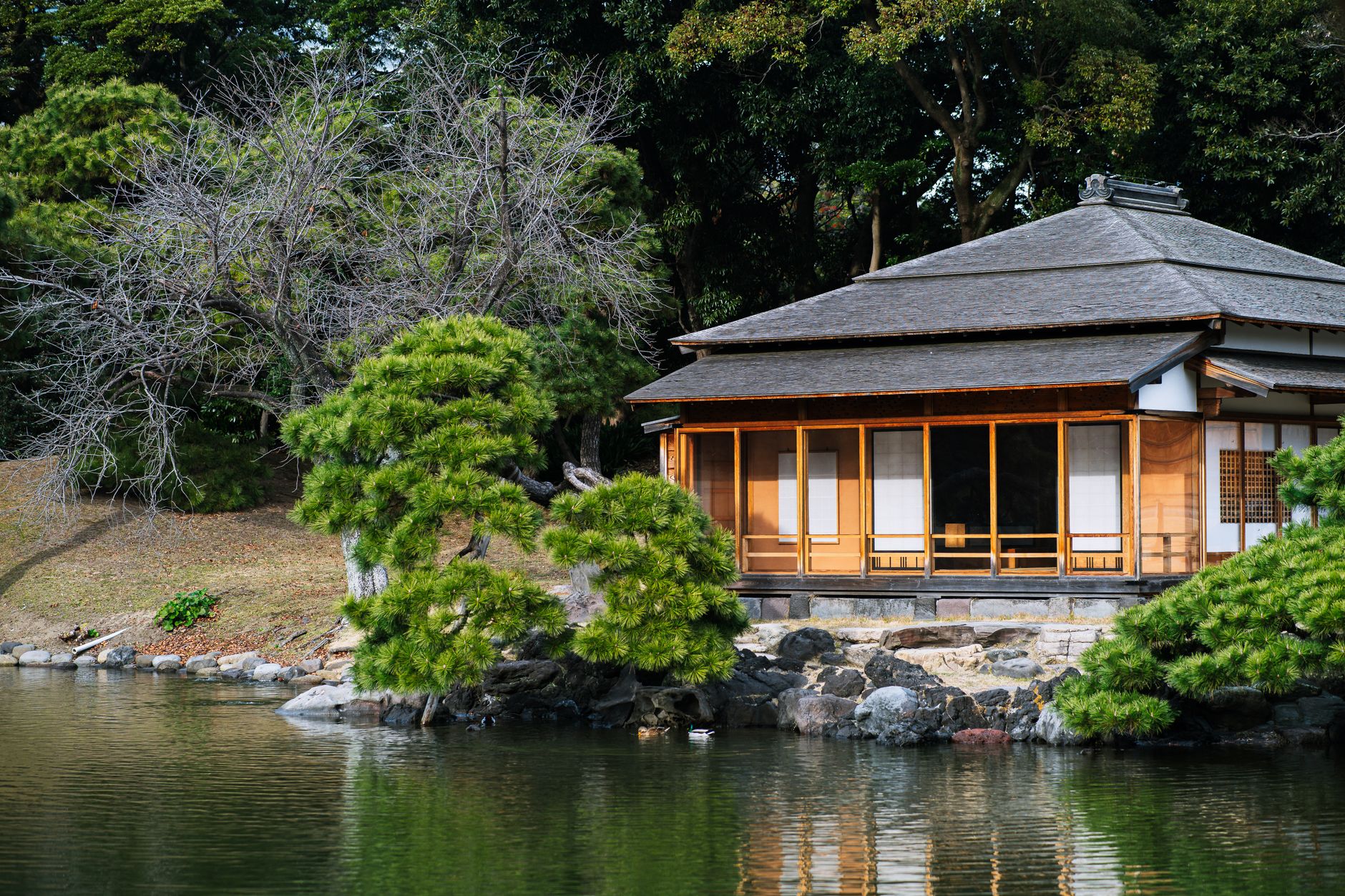
Kiyosumi Gardens gives Tokyo residents a pond-side place to slow down in the eastern part of the city. The official GO TOKYO guide describes it as a Japanese strolling-style landscape garden, with a large pond, seasonal flowers, black pines and several bird species visiting the grounds.
The garden's defining feature is the way the paths bring visitors close to the water. GO TOKYO highlights three Iso-watari stepping-stone paths across the Daisensui pond. The stones create a route through the scenery, while the pond remains the visual centre of the garden rather than a background detail.
The guide also points to the garden's landscape stones. Many valuable stones are placed around the grounds, and some were acquired from different parts of Japan. That detail gives the walk a geological and crafted dimension: visitors are not only looking at planting and water, but also at the materials arranged within the landscape.
Kiyosumi Gardens was completed during the Meiji era, according to the guide. A ryotei, or gathering place resembling a teahouse, extends over the pond and contributes to the traditional feel. The description is enough to explain the atmosphere without inventing a history of individual owners, ceremonies or architectural details not present on the page.
The garden also works as a starting point for exploring local cultural places. GO TOKYO mentions a large art museum among the nearby cultural spots. Readers should check each neighbouring facility separately for its current exhibitions and opening information, but the official guide supports treating Kiyosumi as more than an isolated green space.
For a Tokyo lifestyle outing, the garden can be approached as a measured walk rather than a checklist. Follow the pond, pause at the stepping stones, look for seasonal flowers and birds, and allow the scenery to determine the pace. The source does not promise a particular bloom or sighting on a particular day.
The practical value of the official guide is its clear description of what the place is: a stroll garden organised around water, stones and planting. Visitors can confirm current admission and opening details before leaving, then use the garden's own features to shape a calm Tokyo afternoon.
The official guide is the right live reference for any final change. It provides the location and the character of the place, while the visitor can decide how long to stay and which nearby streets or facilities to include.
A Tokyo outing built around this destination can remain simple: use the listed transport information, allow time for the main attraction, and check the facility's own page before travelling. That approach avoids adding unsupported claims about crowds, rankings or experiences that the source does not describe.
The details also make the destination suitable for a local guide rather than a generic city list. The place has a named neighbourhood, a defined purpose and a practical way to reach it, so Tokyo readers can make a grounded plan without relying on invented figures or quotations.
Visitors should treat opening hours, closures and prices as changeable operational information and confirm them directly before setting out. The official Tokyo guide itself directs readers to do so, making that check part of the responsible itinerary.
For Tokyo residents, the value is in choosing one well-described place and giving it enough time. A slower visit makes room for the local setting, the facility's own programme and the ordinary details of the neighbourhood around it.