lifestyle
Asakusa walking route links Sensoji, Nakamise and the Sumida waterfront
Asakusa walking route links Sensoji, Nakamise and the Sumida waterfront.
Listen in English · 4 min
How we reported this
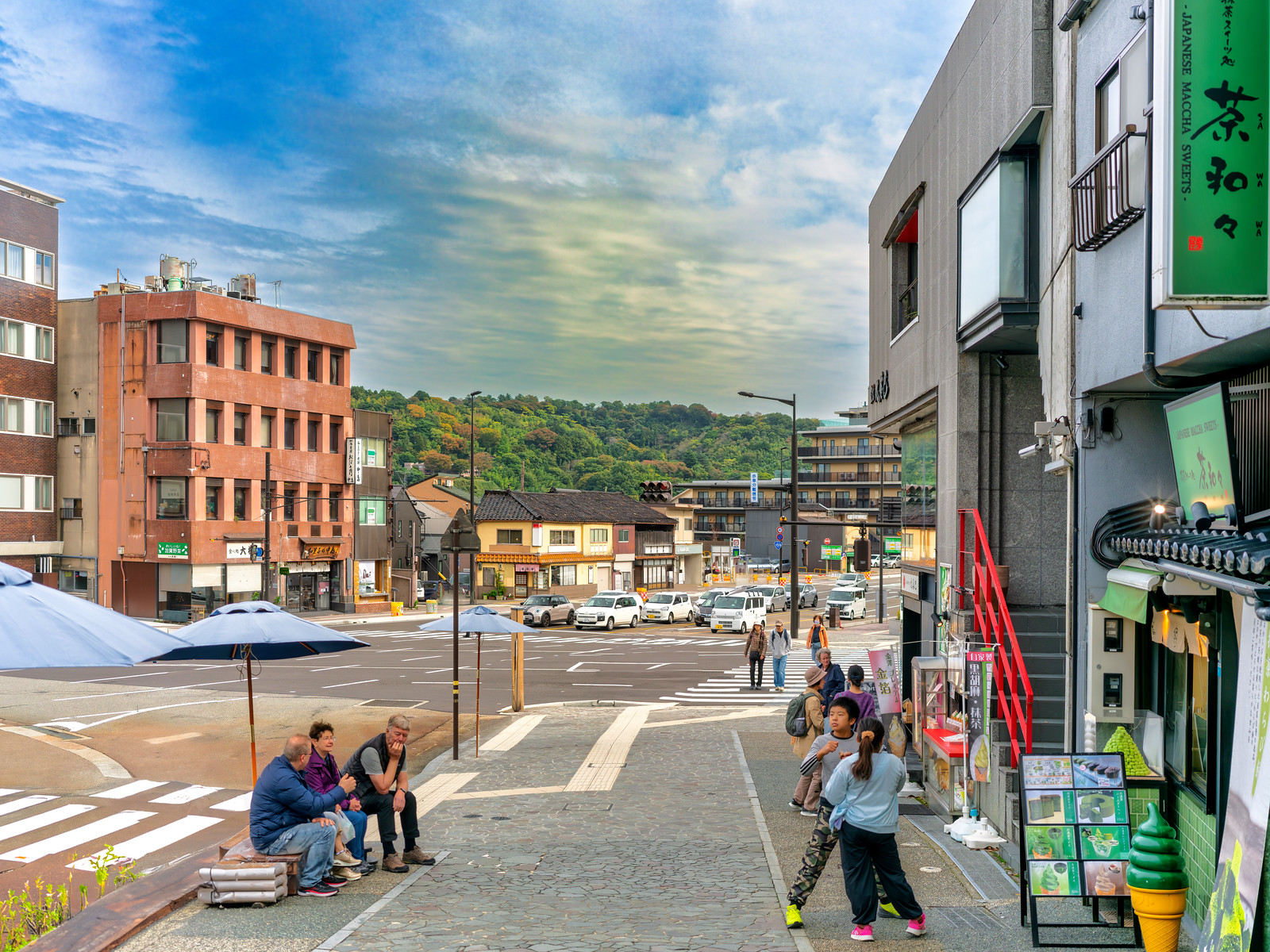
Asakusa offers a Tokyo walking day that can be planned around a small number of clearly named places. The official GO TOKYO guide centres the area on Sensoji Temple, Kaminarimon, or Thunder Gate, and Nakamise shopping street. It presents the neighbourhood as a place where traditional arts, crafts and local streets sit alongside straightforward transport connections.
The guide says Asakusa Station is served by the Tokyo Metro Ginza Line, the Toei Asakusa Line and the Tobu Skytree Line. It also notes that the waterbus boarding pier is a short walk from the station. Those details make the station a practical starting point. A reader can arrive by rail, orientate around Kaminarimon and decide whether to continue along Nakamise, towards the temple precinct or towards the waterfront.
Nakamise is described as a lively shopping street with stalls and souvenir shops selling Japanese goods. The guide also points readers towards traditional food and craft experiences. A useful walking plan does not need to turn every stop into a purchase. It can leave room to look, pause and move respectfully through a busy public area, especially around religious buildings and narrow shopping streets.
The official guide includes several access examples from Shinjuku and other Tokyo stations, including a transfer through Kanda for the Ginza Line. Rather than treating those examples as a universal travel instruction, readers should check live rail information before travelling. Service conditions and station routes can change, while the named destinations remain useful landmarks for the day.
Asakusa also works as a flexible route. A shorter visit can stay close to Kaminarimon, Nakamise and Sensoji. A longer plan can use the station and waterbus information to connect the historic core with the Sumida side of the neighbourhood. The source does not promise that one route suits everyone, so the sensible choice is to match the walk to the weather, mobility needs and time available.
For Tokyo readers, the value of the official guide is its specificity. It names the gate, temple, shopping street, station lines and waterbus pier without asking visitors to rely on an invented ranking. Check the source before leaving, keep the route adaptable and remember that Asakusa is a working neighbourhood as well as a visitor destination.
The official page should remain the final reference before travel. Opening hours, access arrangements, event details and seasonal information can change, and this article does not add facts that are not stated by the cited source. The useful habit is simple: start with the named Tokyo destination, read the current listing, and leave enough time to respond to conditions on the day.
That approach also keeps the plan local. It does not promise a ranking, a hidden bargain or a universal “best” experience. It gives readers a confirmed place, a practical way to think about the visit, and a clear reminder to check the source again before setting out.