Mt Fuji Hike Guide: Tokyo's Best Routes & Tips
Complete Mt Fuji hike guide from Tokyo with seasonal timing, family routes, insider tips and specific venues for Japan's iconic peak adventure.
Complete Mt Fuji hike guide from Tokyo with seasonal timing, family routes, insider tips and specific venues for Japan's iconic peak adventure.
Listen to this article · 6:05
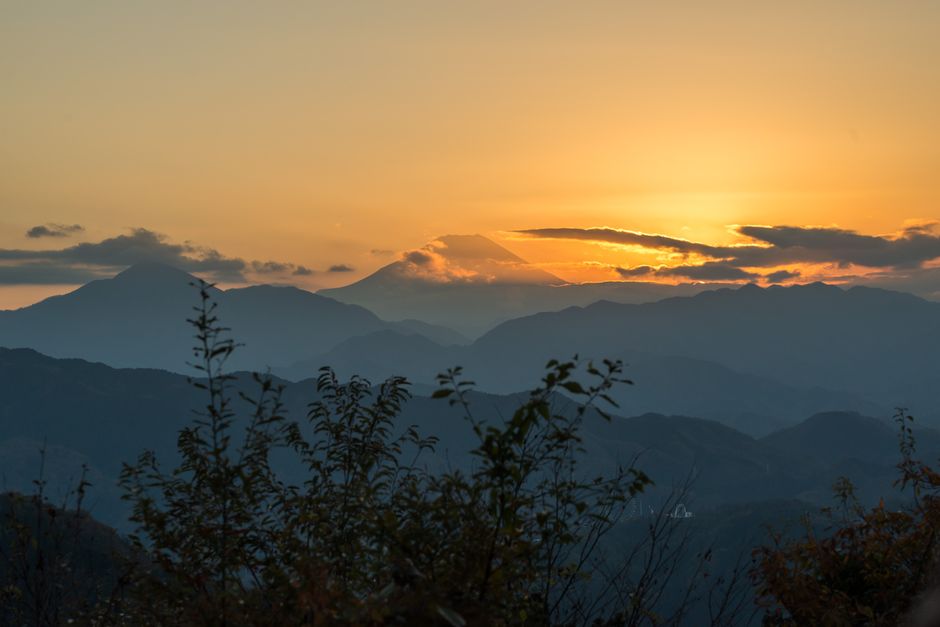
Planning a Mt Fuji hike from Tokyo? This practical guide covers everything you need to know about tackling Japan's most famous mountain, including the best trails, seasonal considerations, and family-friendly options. Whether you're a seasoned hiker or attempting your first alpine climb, Mt Fuji offers multiple routes suitable for different fitness levels.
Mt Fuji sits approximately 100km southwest of Tokyo, making it accessible via public transport. The most popular departure point is Tokyo Station, where you can catch the Fujikyuko Express train directly to Kawaguchiko Station (2 hours). From there, buses run to the 5th Station trailheads.
Mt Fuji features four main hiking routes, each with distinct characteristics. The Yoshida Trail (Yellow Route) remains the most popular, starting from 5th Station at 2,300m elevation and covering 7.5km to the summit. This route features well-maintained paths, numerous mountain huts, and the gentlest gradient despite being the busiest option.
The Subashiri Trail (Red Route) begins lower at 1,440m, making it longer (13km) but offering better acclimatization opportunities. This eastern route features volcanic sand descents and fewer crowds. The Gotemba Trail (Blue Route) represents the most challenging option, starting at just 1,440m with 23.3km distance, but rewards hikers with solitude and stunning crater views.
For shorter day hikes or family visits, the Sengen Trail (Green Route) offers a pleasant forest walk through ancient shrines without requiring summit attempts.
Mt Fuji officially opens for climbing during a limited window. July through September represents the standard hiking season, with July through August offering the most stable weather. June remains risky with persistent clouds and occasional snow at higher elevations, though early-season climbers experience fewer tourists.
October sees improved visibility and cooler temperatures ideal for hiking, though some facilities close. November brings unpredictable weather and significant snow above 2,500m. December through May requires mountaineering equipment and alpine experience—recreational hiking isn't recommended.
In June 2026 specifically, expect afternoon thunderstorms, muddy conditions on lower sections, and possible snow patches above 3,000m. Morning starts around 4-5am are essential for avoiding afternoon weather deterioration.
Overnight stays at mountain huts provide crucial acclimatization time. The Yoshida Trail features eight huts including Tamazawa Sanso (7th Station, 3,100m) and Tomsuba Sanso (8th Station, 3,400m). These facilities offer shared dormitory beds, dinner and breakfast services (typically ¥10,000-15,000 per person). Book directly through hut websites or mountain guides, as availability fills quickly during peak season.
Kawaguchiko area lodges near the trailhead offer pre-acclimatization stays with hot spring facilities. Konansou and Mount View Hotels provide comfortable stays with onsen facilities, allowing visitors to sleep at lower elevation before hiking.
Families shouldn't avoid Mt Fuji entirely—alternative experiences suit all ages. The Mt Fuji 5th Station by vehicle provides 2,300m elevation views without hiking; accessible parking and café facilities make this suitable for young children and elderly visitors. Walking trails around the 5th Station offer 30-90 minute options.
The Kawaguchi Lake Scenic Walk circumnavigates the lake with Mt Fuji views, requiring only 2-3 hours for partial sections. Aokigahara Forest trails near the mountain offer shaded forest walks without severe elevation gain.
For children attempting summit hikes, starting from 5th Station limits the climb to approximately 8 hours. Using mountain huts allows overnight rest. Children typically manage the Yoshida Trail from ages 10+ depending on fitness, though younger hikers succeed regularly with support.
The Mt Fuji Yoshida Trail Opening Festival occurs early July with local celebrations, though avoid opening week due to overcrowding. Osenshi (Opening Ceremony) features Shinto priests performing blessing ceremonies for climbers' safety.
Check with the Fuji Subaru Line 5th Station Visitor Center for real-time trail conditions, weather forecasts, and facility status updates. Staff provide English information and can advise on current hut availability.
Discover more practical Tokyo adventure guides at The Daily Tokyo, your essential resource for authentic local experiences and insider knowledge for exploring Japan's vibrant capital and surrounding regions.
This article was compiled by AI and screened before publishing. See our editorial standards.
How does this story make you feel?
Spread the word
About this article
Published by The Daily Tokyo
Daily brief
Free, in your inbox before 7am. Weekdays.
More in Community