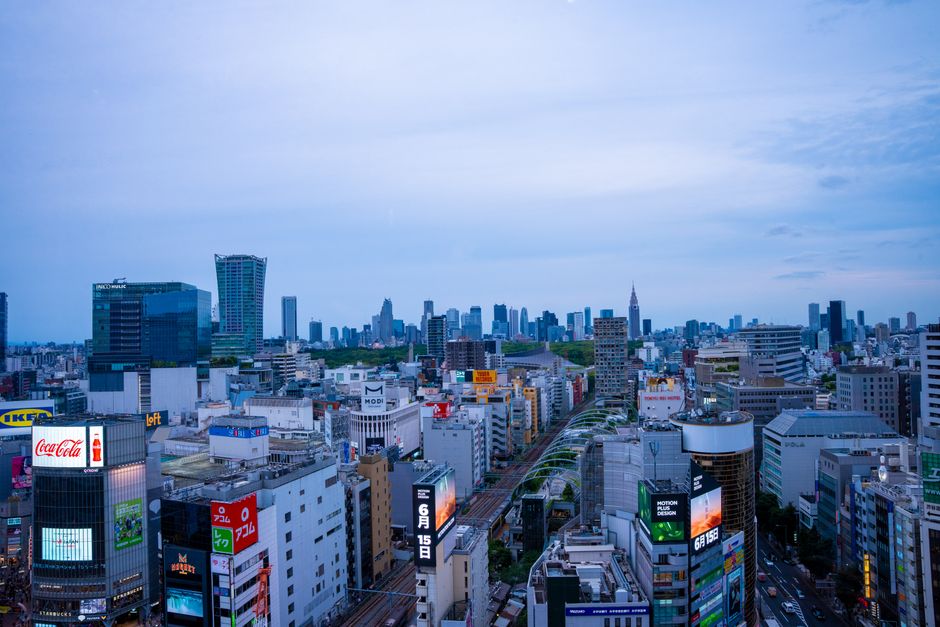
Tokyo's transport infrastructure is undergoing its most significant transformation since the 2020 Olympics, with officials and urban planners now laying out what the next decade will look like for the 14 million residents and countless daily commuters navigating the world's busiest metropolitan system.
The Metropolitan Bureau of Transportation has positioned the Shinjuku-Ikebukuro corridor as a priority for capacity expansion, acknowledging that current rail lines operate at 200 percent capacity during peak hours. Transport economists at Tokyo Metropolitan University point to data showing that congestion costs the city an estimated ¥2.4 trillion annually in lost productivity—a figure that has driven renewed focus on both railway upgrades and alternative transit modes.
The Chiyoda Ward government has been particularly vocal about the need for improved last-mile connectivity, with officials citing the success of micro-mobility pilot programs around Otemachi and Marunouchi stations. These pedestrian-friendly zones have become models for how central Tokyo can absorb growing numbers of workers without proportionally increasing car traffic.
One major flashpoint remains the proposed renovation of the Tokaido Shinkansen corridor approaching Tokyo Station. Engineering firms contracted for preliminary assessments have raised concerns about the complexity of working beneath dense urban infrastructure in Chuo Ward, pushing estimated completion timelines back by 18 months. Officials from JR East have emphasized that modernization is critical to maintaining Japan's rail export reputation, particularly as international interest in maglev technology grows.
Meanwhile, experts at the Institute for Urban Future Policy have urged the Tokyo Metropolitan Government to accelerate its circular economy approach to transport planning. They argue that bus rapid transit systems—less capital-intensive than new rail lines—could efficiently serve emerging residential zones in Adachi and Katsushika wards, where populations are growing fastest.
The cost question looms large. A comprehensive modernization program across Greater Tokyo would require at least ¥8.5 trillion in public and private investment over fifteen years, according to transport finance specialists. Officials are increasingly looking toward public-private partnerships and green bonds to fund projects, a shift that signals both ambition and fiscal caution.
Transit planners also emphasize the importance of integrating aging infrastructure in outer wards like Edogawa with newer central systems. This equity concern reflects a broader conversation about ensuring Tokyo's transport revolution doesn't deepen disparities between central and peripheral neighborhoods.
This article was compiled by AI from the sources linked above and screened before publishing. See our editorial standards.