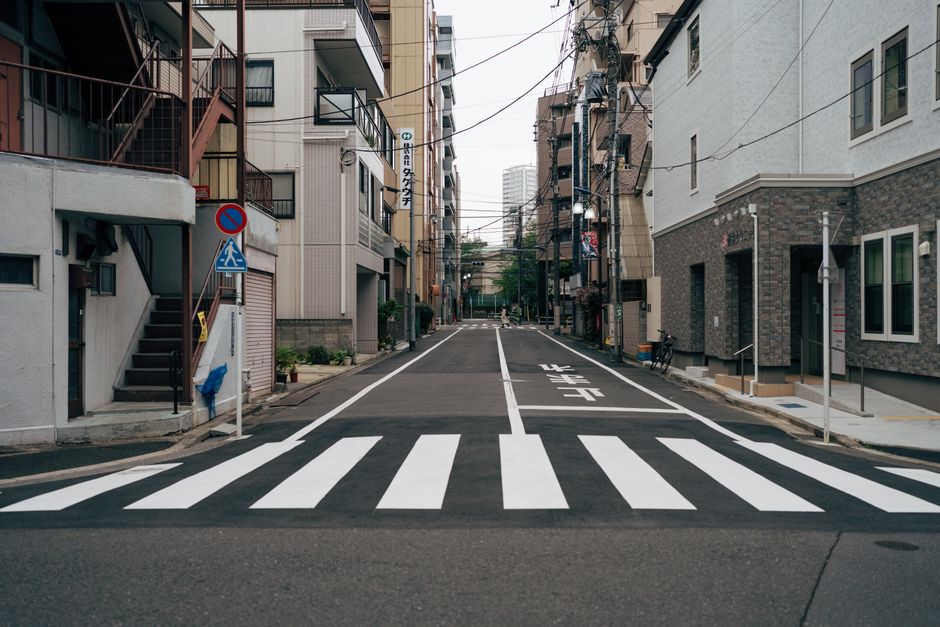
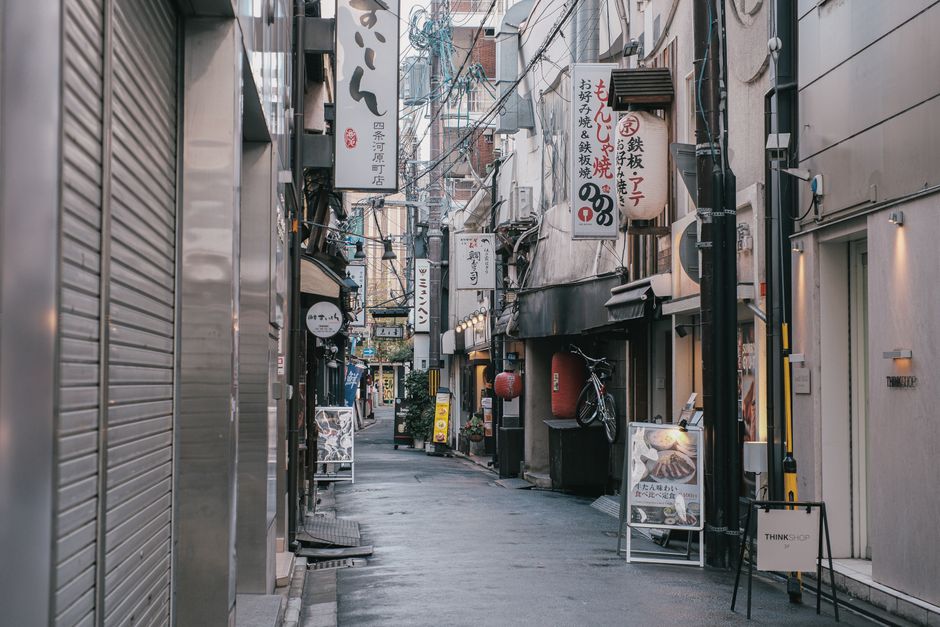
Tokyo's approach to housing and urban planning stands in stark contrast to the crisis unfolding in major Western cities. While London grapples with a shortage of 1.5 million homes and New York debates zoning reforms that took decades to conceptualise, Tokyo has quietly implemented policies that, while imperfect, have prevented the worst affordability catastrophes plaguing peer cities.
The difference lies partly in pragmatism. Tokyo's relaxed zoning regulations allow mixed-use development throughout residential neighbourhoods—a contrast to the strict single-family zoning that has choked housing supply in American and British cities. Walk through Shibuya or Shinjuku, and you'll find apartment buildings rising above corner shops and restaurants, a density-friendly arrangement that would trigger neighbourhood opposition in many Western cities.
The numbers tell a revealing story. Average rent in central Tokyo hovers around ¥120,000 monthly ($850 USD) for a modest two-bedroom apartment, compared to London's £1,800 ($2,250) or San Francisco's $2,400 for equivalent space. Even accounting for smaller unit sizes in Tokyo, the differential is striking. Tokyo's median housing cost-to-income ratio sits at roughly 20-25%, whereas London and Vancouver exceed 35%.
However, Tokyo's model has clear limitations. Properties age rapidly here—a 30-year-old building has minimal resale value, unlike property appreciation in London or New York. This discourages long-term ownership investment and leaves aging neighbourhoods like parts of Chiyoda with crumbling infrastructure. Meanwhile, depopulation in outer wards such as Adachi has left vacant properties plaguing entire blocks.
The city's response has been characteristically measured. Recent initiatives through the Tokyo Metropolitan Government focus on converting underutilised commercial spaces in areas like Ikebukuro into residential units. The Shibuya area's renewed development plans emphasise transit connectivity—a principle Tokyo perfected decades ago with the Yamanote Line's integrated approach.
Compared to Singapore's top-down public housing model (80% of residents live in government-built flats) or Vancouver's recent speculation taxes, Tokyo relies on market mechanisms tempered by light regulatory guidance. Neither approach has eliminated affordability problems entirely, but Tokyo's hasn't exacerbated inequality as visibly.
The real question facing Tokyo isn't whether its model is perfect—it clearly isn't—but whether cities like London and New York will adopt Tokyo's pragmatism before another generation prices out essential workers entirely. So far, the political will in Western capitals suggests they won't, making Tokyo's unglamorous incrementalism look increasingly wise.
This article was compiled by AI from the sources linked above and screened before publishing. See our editorial standards.