Tokyo's University Housing Crisis Threatens Students and Neighbourhood Stability
As dormitory shortages force thousands of students into expensive private rentals, Chiyoda and Shinjuku wards face rising vacancy rates and community strain.
As dormitory shortages force thousands of students into expensive private rentals, Chiyoda and Shinjuku wards face rising vacancy rates and community strain.
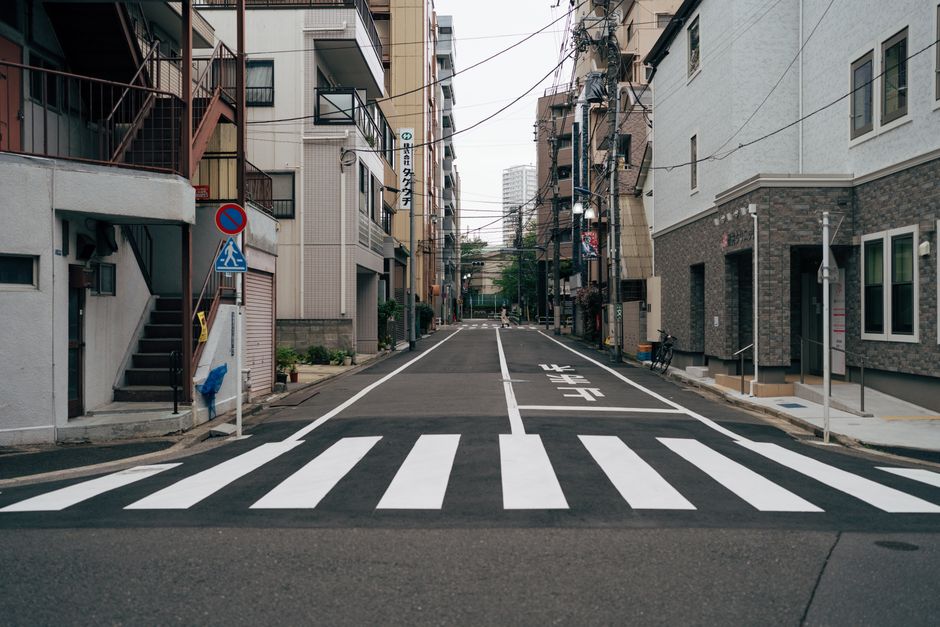
Tokyo's education sector is grappling with an acute housing shortage that extends far beyond campus walls, affecting both students' financial wellbeing and the stability of residential neighbourhoods across the city.
The challenge has intensified dramatically since 2024, when several major universities including Tokyo Metropolitan University and Waseda University reduced on-campus dormitory capacity due to maintenance upgrades and shifting priorities. Data from the Tokyo Metropolitan Government's Housing Bureau reveals that university-managed housing fell by approximately 8,200 beds citywide—a 12% decline—leaving tens of thousands of students competing for limited spaces.
The consequences ripple through communities like Kanda, traditionally home to students attending universities near the Kanda River. Private rental agencies now report monthly rates averaging ¥68,000 for a modest 20-square-metre studio—roughly 35% higher than five years ago. For many students relying on part-time employment at convenience stores along Meiji-dori or in the Akihabara district, the financial burden forces difficult choices between housing security and educational investment.
"We're seeing unprecedented demand in Chiyoda ward rental listings," notes the Tokyo Rental Housing Association in recent industry surveys. Vacancy rates in older residential buildings near Ochanomizu Station have paradoxically risen to 18%, yet newer constructions targeting young professionals command premium prices that exclude student budgets entirely.
The community impact extends beyond individual hardship. School administrators and local government officials warn that housing instability correlates with reduced academic performance and increased student dropout rates. A Tokyo Metropolitan Board of Education report this quarter documents a measurable uptick in absences among first-year students living in distant neighbourhoods, adding commute times exceeding 90 minutes.
Neighbourhood associations in Shinjuku and Taito wards report growing friction, as transient student populations—often compressed into shared apartments—create noise complaints and strain local infrastructure. The Yotsuya Community Council documented a 23% increase in nuisance reports during the 2025-2026 academic year.
University administrators acknowledge the crisis. Several institutions are now exploring partnerships with private developers to expand affordable housing options, while Tokyo's metropolitan government has promised increased subsidies for dormitory reconstruction. However, implementation timelines extend into 2028, offering little immediate relief.
For Tokyo's student population and the neighbourhoods they inhabit, this convergence of education access and housing affordability represents an urgent policy challenge requiring coordinated action from universities, local government, and private sector stakeholders.
This article was compiled by AI from the sources linked above and screened before publishing. See our editorial standards.
How does this story make you feel?
Spread the word
About this article
Published by The Daily Tokyo
Daily brief
Free, in your inbox before 7am. Weekdays.
More in News