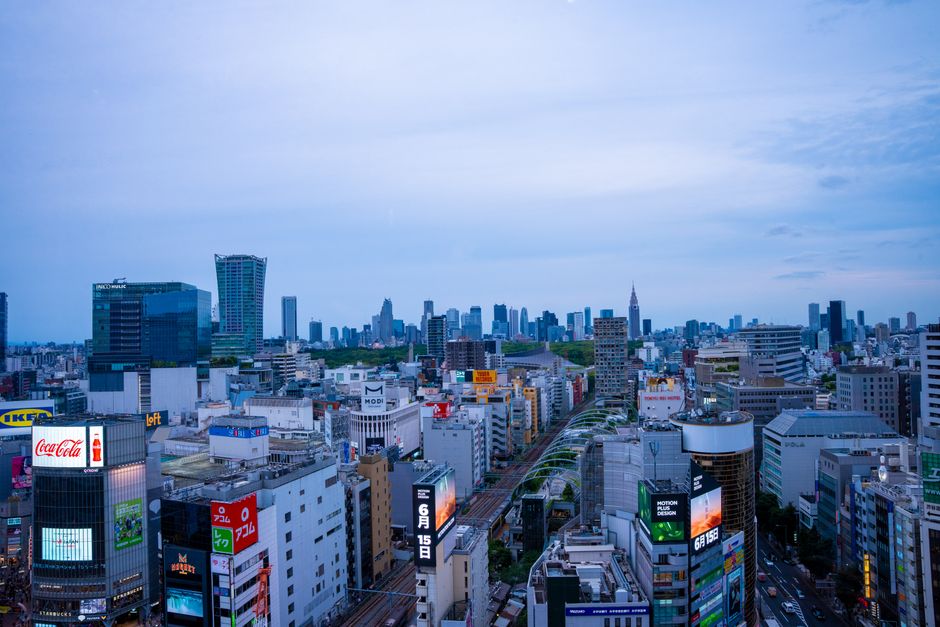
Walk through the narrow side streets of Shibuya these days and you'll notice something troubling: handwritten signs in shop windows reading 「閉店」—closed—appearing with increasing frequency. Behind each shuttered storefront is a story of an aging proprietor with no one to pass the keys to, and a neighbourhood losing its identity.
The phenomenon extends across Tokyo's most vibrant wards. In Minato, along the quiet residential blocks near Azabu-Juban, three traditional soba shops have closed in the past eighteen months. In Chiyoda, around the Kanda-Sudacho area, a beloved 67-year-old fishmonger announced last month he would retire in 2027 after forty years. These aren't headline-grabbing closures—they're the quiet erasure of social infrastructure that binds neighbourhoods together.
Data tells a stark story. According to the Tokyo Metropolitan Government's 2025 Small Business Survey, approximately 4,200 retail shop owners across the city are aged 65 or over with no identified successor. That represents a 34% increase from 2020. The average age of shopkeepers in central wards now exceeds 62, compared to the national average of 58.
The impact ripples far beyond lost shopping convenience. These corner shops function as informal community hubs—places where elderly residents check in daily, where neighbourhood children are known by name, where local news spreads and social isolation is prevented. Research from Tokyo University's Institute of Urban Studies found that neighbourhoods losing five or more traditional retailers experienced measurable increases in reported loneliness among residents over 65.
Some communities are fighting back. In Setagaya's Shimokitazawa district, a coalition of residents and the local government launched a "Shop Succession Support Programme" in 2024, offering subsidised training and reduced-rent periods for young entrepreneurs willing to take over established businesses. Preliminary results show fifteen successful transfers, though administrators acknowledge this barely scratches the surface of the city-wide problem.
The challenge isn't romantic nostalgia—it's pragmatic community health. When these shops disappear, they're often replaced by chain convenience stores or remain vacant. The social fabric frays. Elderly residents lose daily touchstones. Young families miss opportunities to become embedded in their neighbourhoods' actual communities.
Tokyo faces a choice: allow these vital local institutions to vanish as natural market evolution, or actively support the transmission of neighbourhood knowledge and relationships to a new generation of shopkeepers. For residents in Shibuya, Minato, and beyond, the answer will determine whether their neighbourhoods remain living communities or become merely places where people sleep.
This article was compiled by AI from the sources linked above and screened before publishing. See our editorial standards.