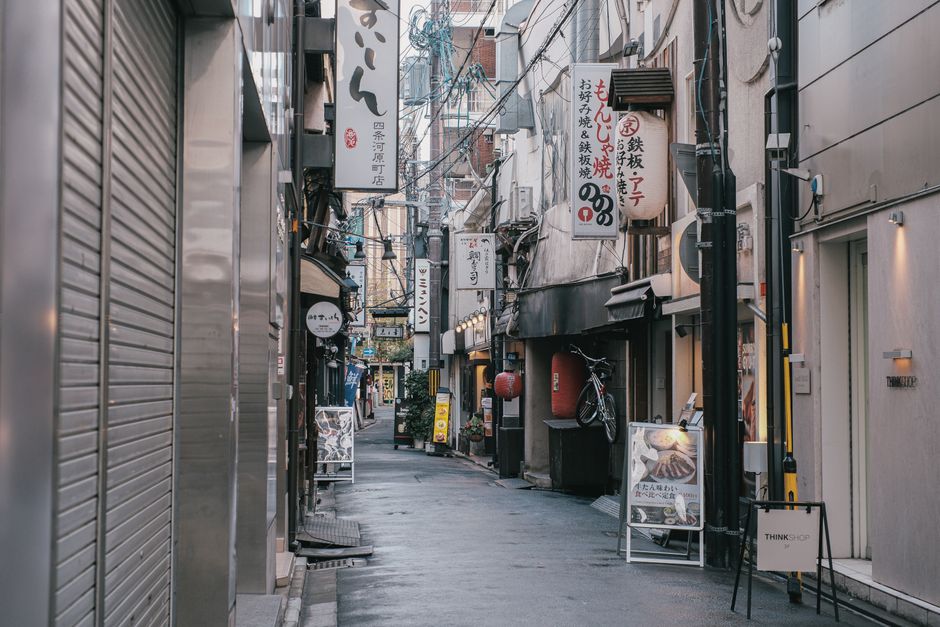
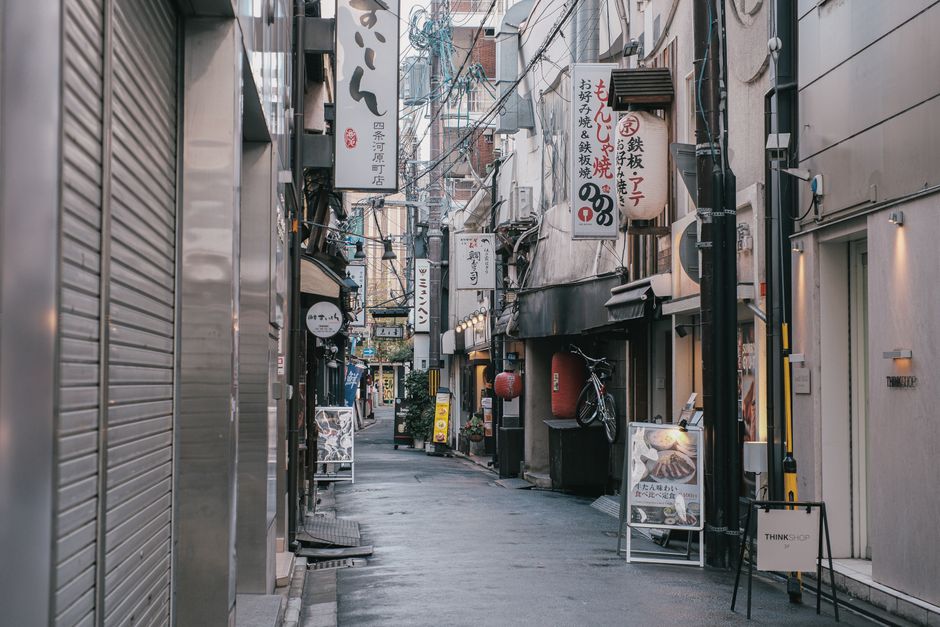
Tokyo's foreign resident population reached 2.96 million in 2025, a 12% surge from five years prior, yet the city's approach to integration contrasts sharply with the friction consuming peer metropolitan areas from Berlin to Vancouver.
Unlike European capitals wrestling with housing shortages and political backlash, Tokyo has implemented pragmatic mechanisms that prioritize economic function over ideological debate. The city's ward offices now offer multilingual orientation programmes in 18 languages—up from five a decade ago—with Shinjuku Ward's International Exchange Centre in Yotsuya serving 40,000 clients annually. Meanwhile, Berlin's integration initiatives remain fragmented across municipal districts, often underfunded relative to demand.
The contrast extends to employment. Tokyo's registered foreign workforce grew 8.2% last year, concentrated in healthcare, construction, and hospitality sectors where labour shortages are acute. The Metropolitan Government's job placement database lists positions in seven languages, a deliberate strategy absent in comparable North American cities where migrants often compete for roles with minimal institutional support.
Yet Tokyo's model reveals tensions. Rental discrimination persists—landlords in central wards frequently refuse foreign tenants despite legal prohibitions—pushing migrants toward outer areas like Warabi in Saitama Prefecture, which hosts Southeast Asian communities at lower housing costs. A one-bedroom apartment in Warabi averages ¥65,000 monthly versus ¥120,000 in central Minato Ward. This dispersal contrasts with Toronto's more integrated housing policy, though critics argue Tokyo's approach isolates newcomers from urban economic hubs.
Healthcare access presents another flashpoint. The Metropolitan Government expanded interpreter services at major hospitals, yet rural prefectures lag severely, creating a two-tier system. Shinjuku Central Hospital now employs 12 full-time interpreters; regional facilities often employ none.
Education tells a similar story. Tokyo's 47 international schools accommodate expatriate families, while public schools increasingly offer Japanese-as-second-language programmes—something London's NHS-equivalent struggles to match in terms of coordination. Yet integration remains tokenistic; segregation between Japanese and migrant student populations persists in many neighbourhoods.
Economists note Tokyo's pragmatism stems partly from demographic necessity. Japan faces acute labour shortages as its population shrinks. Cities like Seoul and Singapore have adopted similar utilitarian frameworks with measurable success in retention and social stability.
As global migration pressures intensify, Tokyo's mixed record—efficient systems paired with structural inequalities—offers neither a template nor a warning, but rather a functional compromise that works because Japan requires migrant labour, not because it has resolved fundamental questions of belonging.
This article was compiled by AI from the sources linked above and screened before publishing. See our editorial standards.