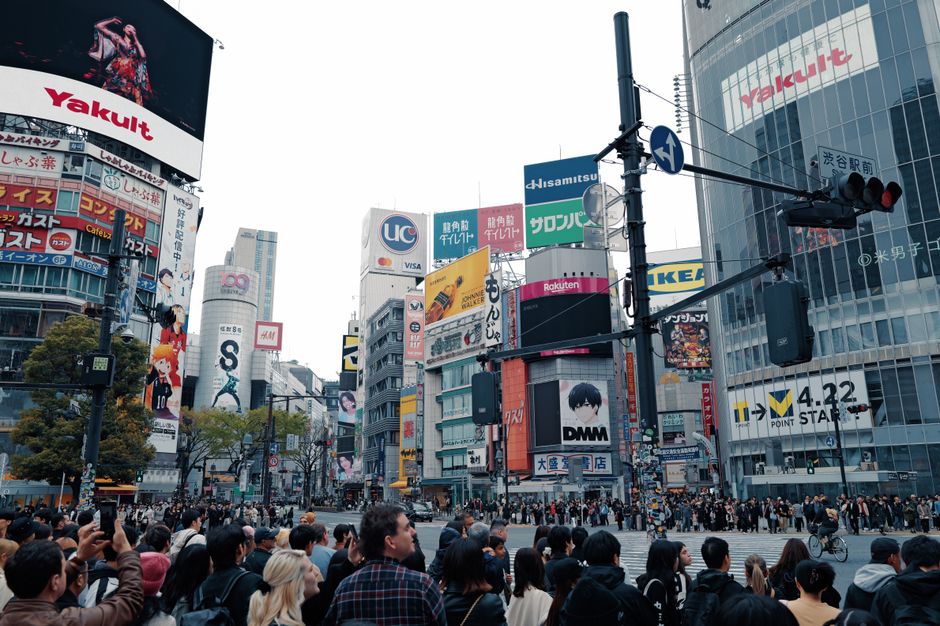
Walking through Shibuya Station during the morning commute feels like navigating a controlled demolition. Scaffolding frames the iconic crossing, construction barriers redirect pedestrian flows, and the familiar rhythm of 3 million daily commuters has developed new choreography. Yet trains run on schedule. Buses reroute seamlessly. This delicate balance—maintaining one of the world's busiest transport hubs while upgrading its sinews—represents Tokyo's particular challenge as it enters a critical infrastructure renewal phase.
The Shibuya Station redevelopment project, now in its seventh year of a planned fifteen-year transformation, exemplifies Tokyo's philosophy: proceed gradually, never paralyse. The Metropolitan Police Department coordinates traffic patterns; the Tokyo Metropolitan Bureau of Transportation manages bus diversions across Dogenzaka and Center-gai; convenience stores alter opening hours to accommodate construction crews. The cost: approximately ¥2.7 trillion ($18 billion USD) across multiple projects, funded largely through public bonds and private partnership investments.
Compare this to comparable global projects. London's Crossrail expansion, which finally opened last year after multiple delays and cost overruns, totalled £21.4 billion and disrupted commuters across the Thames for over a decade. Singapore's Circle Line construction required systematic station-by-station closures during 2024-2025, creating documented productivity losses across the financial district. New York's Second Avenue Subway extension, completed just three years ago, faced sixteen years of sporadic disruptions and budget explosions.
Tokyo's advantage lies partly in infrastructure culture. The city maintains one of the world's lowest crime rates partly because construction sites remain meticulously fenced and monitored—a standard applying whether upgrading the Marunouchi Line in Shinjuku or reinforcing facilities ahead of the 2030 Winter Olympics in Nagano. Safety regulations are rigidly enforced; worker compensation is comprehensive.
Yet tensions exist. Business owners along Meiji-dori report 18-month revenue declines during station-adjacent renovations. The ¥1,050 monthly pass—Tokyo's standard commuter fare—remains unchanged despite service disruptions, prompting occasional criticism from commuter advocacy groups. Elderly residents struggle with altered walking routes near Ikebukuro Station's current overhaul.
Tokyo's real innovation isn't avoiding disruption—it's absorbing it systematically. Real-time smartphone updates (Tokyo Metro's app provides ninety-second precision on alternative routes), temporary shuttle bus services, and staggered project phases mean infrastructure renewal happens almost invisibly to outsiders, visibly but sustainably to residents.
As cities globally confront ageing transport networks, Tokyo offers neither utopia nor perfection—but perhaps something more valuable: proof that major modernisation and functional mobility can coexist, provided planners treat them as equally important engineering problems.
This article was compiled by AI from the sources linked above and screened before publishing. See our editorial standards.