Tokyo's metropolitan government announced sweeping revisions to housing zoning regulations this week, fundamentally reshaping how the city's densest wards—particularly Shibuya, Shinjuku, and Minato—will develop over the next decade. For residents living in these areas, the implications are immediate and profound.
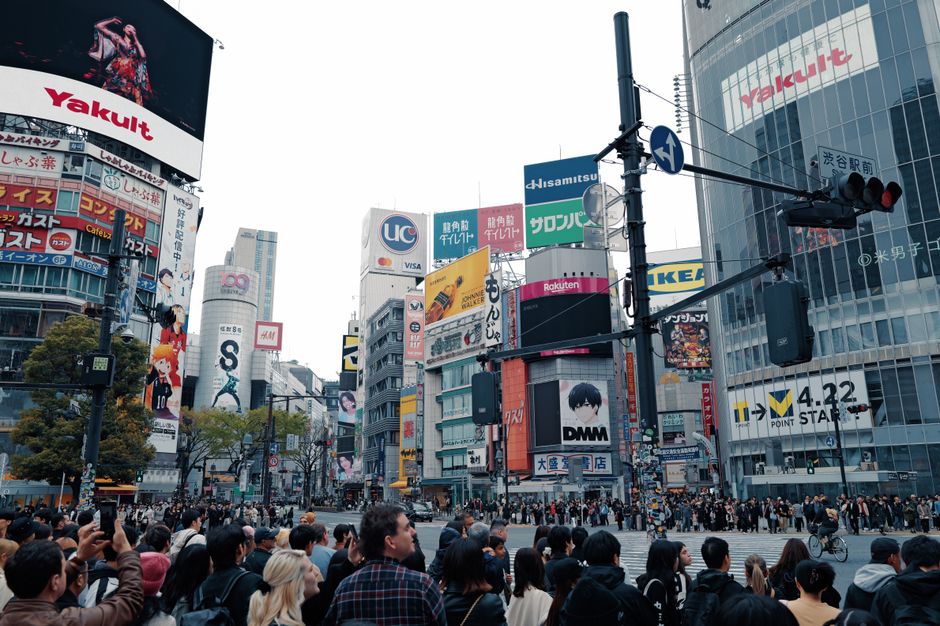
The new policy permits developers to convert vacant commercial and office spaces into residential units without the lengthy approval processes that previously protected neighbourhood character. In Shibuya alone, where office vacancy rates have climbed to 8.2 percent since remote work normalised, this opens thousands of potential housing units. On paper, this addresses Tokyo's persistent affordability crisis: average monthly rent for a two-bedroom apartment in central wards has exceeded ¥180,000.
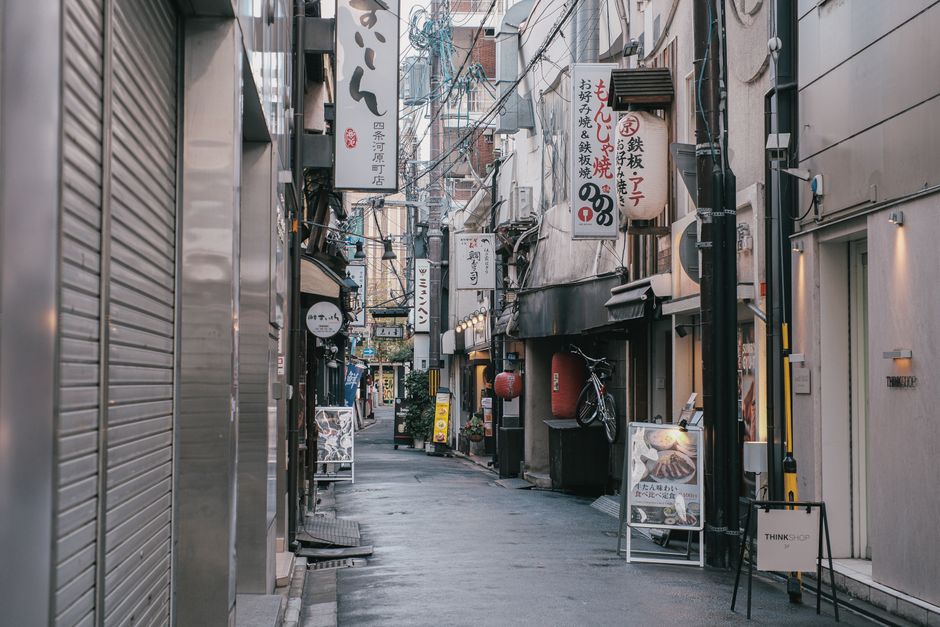
But for the communities actually living here, the reality is more complicated. Residents of the Dogenzaka and Center-gai areas—historic shopping and entertainment districts—worry about noise, foot traffic, and the erosion of local identity. Small merchants who have operated family businesses for decades along Meiji-dori in Shinjuku face uncertain futures as their commercial leases expire and landlords pivot toward residential development.
"What happens to the ramen shops, the izakayas, the small galleries that make these neighbourhoods distinctive?" asks the Shibuya Ward Residents' Council, which has submitted formal objections to the metropolitan government. The concern is not unfounded: similar deregulation in London and Barcelona preceded rapid gentrification and the displacement of long-established commercial ecosystems.
The housing shortage remains genuine. Young families in Tokyo's outer wards—Adachi, Katsushika—spend up to 35 percent of household income on rent, compared to the recommended 25 percent. The metropolitan government's target of adding 50,000 residential units annually cannot be met without policy shifts.
Yet implementation matters. The Minato Ward government has proposed a compromise: allowing residential conversion only in designated transition zones, with mandatory community consultation periods and rent-control provisions for existing tenants. Shibuya has requested similar safeguards, recognising that rapid, unmanaged conversion will solve housing affordability for newcomers while destroying it for those already here.
As Tokyo grapples with demographic decline and fiscal pressure, this tension will define urban planning decisions for the next five years. The question is no longer whether change will come, but whether local residents will have a meaningful voice in shaping it. That distinction—between top-down development and community-centred growth—may ultimately determine whether Tokyo remains a liveable city for everyone, or just those who can afford the new market rates.
This article was compiled by AI from the sources linked above and screened before publishing. See our editorial standards.