How Tokyo's Housing Crisis Led to Today's Landmark Zoning Vote
Years of stalled redevelopment and population shifts have forced city officials to reconsider decades-old building restrictions in central wards.
Years of stalled redevelopment and population shifts have forced city officials to reconsider decades-old building restrictions in central wards.
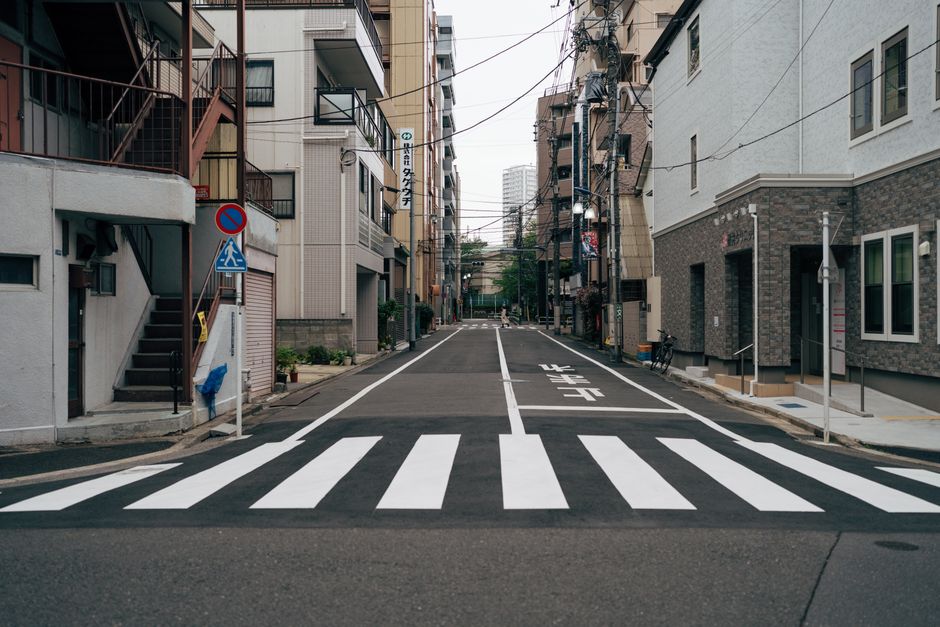
Tokyo's metropolitan government is preparing to vote on sweeping changes to residential zoning laws this week—a decision that traces back more than a decade of demographic strain, stalled urban renewal projects, and mounting pressure from developers and residents alike.
The roots of this moment lie in the early 2010s, when Tokyo's population began its slow decline, even as housing costs in desirable central wards climbed to some of the highest levels globally. In Chiyoda, Minato, and Shibuya wards, average apartment prices exceeded ¥12 million ($80,000 USD equivalent at current rates), while vacancy rates in aging residential buildings in peripheral areas like Edogawa and Katsushika simultaneously climbed above 15 percent.
Between 2015 and 2020, several major redevelopment proposals—including ambitious mixed-use complexes planned for Shinjuku's aging commercial districts and residential towers slated for areas near Ikebukuro Station—faced lengthy approval delays. The Tokyo Metropolitan Government imposed strict height restrictions and demanded extended community consultation periods, reflecting concerns about preserving neighbourhood character. These decisions ultimately slowed housing supply at a critical moment when younger families were increasingly moving to satellite cities like Yokohama and Kawasaki to find affordable homes.
The turning point came last year when three major employers announced plans to expand satellite offices beyond central Tokyo, citing recruiting challenges due to housing costs. Simultaneously, municipal tax revenues from central wards declined as the taxable population shifted outward—a trend officials warned could undermine funding for schools and infrastructure maintenance.
A January 2026 government survey found that 42 percent of Tokyo residents aged 25-40 cited housing affordability as their primary concern about remaining in the city. This data prompted the metropolitan government to commission a comprehensive urban planning review, the first major revision since 2003.
The proposed zoning changes would allow mixed-use developments in previously restricted residential areas near major transit hubs along the Chiyoda, Marunouchi, and Hibiya lines. Specifically, officials are considering height relaxations in districts adjacent to Ginza, Shinjuku-sanchome, and around Tokyo Station—areas that currently cap buildings at 20-30 metres.
Industry analysts estimate the changes could free up development capacity for approximately 80,000 new residential units over the next decade, potentially moderating price increases. However, neighbourhood associations in Minato and Chuo wards have mobilised opposition, citing concerns about congestion and the loss of low-rise residential character.
The vote arrives as Tokyo grapples with a fundamental question: whether to relax the restrictions that once preserved the city's distinct neighbourhoods, or risk accelerating outward migration that could fundamentally reshape the metropolis.
This article was compiled by AI from the sources linked above and screened before publishing. See our editorial standards.
How does this story make you feel?
Spread the word
About this article
Published by The Daily Tokyo
Daily brief
Free, in your inbox before 7am. Weekdays.
More in News


