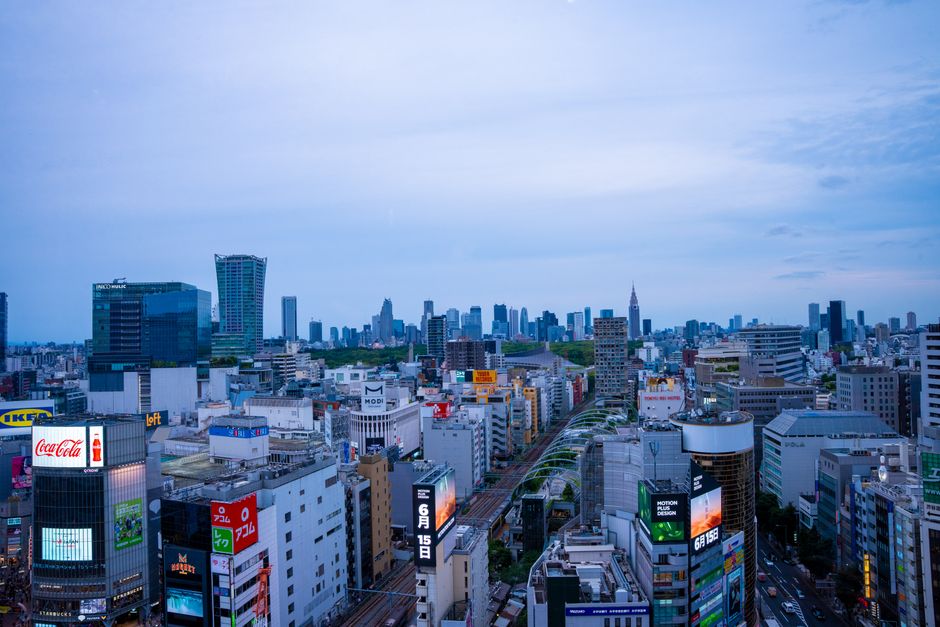
How Tokyo's Housing Shortage Became the Summer's Defining Political Battle
Years of deferred decisions and competing interests in Shibuya, Shinjuku and beyond have converged into the city's most pressing governance crisis.
Years of deferred decisions and competing interests in Shibuya, Shinjuku and beyond have converged into the city's most pressing governance crisis.
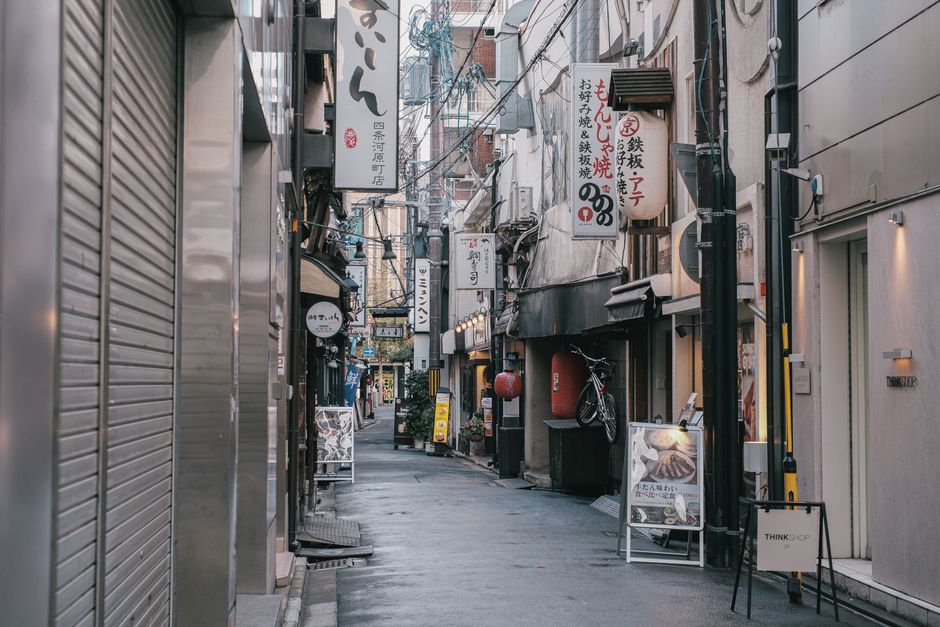
Tokyo's current housing affordability crisis did not emerge overnight. It is the culmination of three decades of policy choices, demographic shifts, and competing visions for the capital's future—a perfect storm that has finally forced city hall to confront what local administrators have long avoided.
The roots trace back to the 1990s, when Tokyo's population peaked and then began a slow decline. Rather than recalibrating housing strategies, the metropolitan government under successive administrations prioritized commercial development and Olympic-class infrastructure. The 2020 Games accelerated this trajectory, with billions spent on stadiums and transit while residential zoning remained frozen in neighborhoods like Minato and Chiyoda.
By 2024, the mathematics became unavoidable. Average rents in central wards had climbed 23 percent over the previous five years. A one-bedroom apartment in Shibuya now averages ¥185,000 monthly—pricing out young families and essential workers. Meanwhile, Tokyo's working-age population shrank by 4.2 percent between 2020 and 2025, even as demand from international residents and remote workers intensified pressure on remaining inventory.
The gridlock intensified when the Shinjuku ward assembly rejected the Metropolitan Government's proposed rezoning of underutilized commercial zones along Meiji-dori in early 2025. Local business associations, fearing property value disruptions, mobilized against conversion of aging office buildings into mixed-use residential complexes. That defeat emboldened similar resistance in Chiyoda and Minato wards.
Meanwhile, community groups in gentrifying neighborhoods like Yanaka and Koenji demanded protections for long-term residents, directly challenging market-driven development models. Their concerns were legitimate: displacement was accelerating. Yet their advocacy also complicated efforts to increase housing supply where it was most needed.
The turning point came in May when a city planning commission report concluded that Tokyo would face a deficit of approximately 680,000 housing units by 2035 under current policies—a shocking figure that dominated local news cycles and finally galvanized political action.
This month, the metropolitan government announced a revised housing initiative acknowledging these pressures. But implementation remains uncertain. The plan requires cooperation from ward assemblies that have proven reluctant to embrace density. It requires investment the city claims it cannot afford without raising property taxes—politically toxic territory.
The question now is whether this moment of crisis produces genuine reform or merely another round of incremental adjustments that preserve the status quo. Tokyo's future housing stability—and its ability to retain residents—hangs in the balance.
This article was compiled by AI from the sources linked above and screened before publishing. See our editorial standards.
How does this story make you feel?
Spread the word
About this article
Published by The Daily Tokyo
Daily brief
Free, in your inbox before 7am. Weekdays.
More in News